
Why AI matters in music production
The architecture of modern music creation has shifted from linear arrangement to iterative generation. Where traditional Digital Audio Workflows (DAWs) once required manual sequencing of every note and sample, AI-assisted tools now act as co-producers, handling everything from initial melody generation to final mastering. This evolution is redefining the role of the producer, moving the focus from technical execution to creative curation and legal oversight.
In 2026, the term "AI music production" encompasses two distinct categories. The first involves generative audio models that create full tracks from text prompts or minimal input. The second includes intelligent sequencers and plugins that assist with MIDI composition, sound design, and mixing. Understanding this distinction is critical for assessing copyright implications, as the legal status of a track often depends on the degree of human intervention and the specific licensing terms of the tool used.
Note: AI tools are categorized by their function. Generative audio tools create sound waves directly, while sequencer marketplaces and MIDI assistants provide structural data that requires further human arrangement and mixing.
The rise of these tools has sparked intense debate regarding intellectual property. As confirmed by the U.S. Copyright Office, works created entirely by AI without human authorship are not eligible for copyright protection. This means that while you can use these tools to produce music, you may not own the resulting master recording unless significant human creative choices are documented. For professional creators, this necessitates a rigorous approach to licensing and attribution, ensuring that every component of the production chain is legally cleared.
As we examine the top ten tools for 2026, we will evaluate them not only on their creative output but on their compliance with industry standards and their ability to integrate into a legally sound production workflow.
10 Best AI Music Production Tools for 2026
Navigating the 2026 AI music production landscape requires strict adherence to copyright and licensing frameworks to mitigate legal risk. This roundup evaluates ten distinct tools—including Tracklib, AIVA, LANDR, and Berklee’s proprietary platforms—based on their official compliance structures and transparent licensing models.
1. Suno AI full song generation
Suno generates complete songs with vocals and instrumentation from text prompts, offering rapid prototyping capabilities. However, because the output is largely AI-generated, it generally lacks the human authorship required for copyright registration. Users must review Suno’s licensing terms carefully; paid subscriptions typically grant commercial rights to the audio files, but the underlying composition rights remain ambiguous. This tool is best for content creators who need quick, royalty-free backing tracks or demos without claiming ownership of the underlying IP.

2. Udio high-fidelity audio synthesis
Udio competes with Suno by offering high-fidelity audio synthesis, often praised for its realistic vocal textures and instrumental separation. Like its competitors, Udio’s outputs are subject to the platform’s terms of service. While paid tiers allow for commercial use, the lack of human authorship in the core generation process means the resulting tracks are not copyrightable in their raw form. Producers should use Udio for inspiration or as stems for further human editing, ensuring that any final release involves significant creative input to secure legal protection.

3. AIVA MIDI composition and orchestration
AIVA specializes in MIDI composition, allowing users to generate complex orchestral arrangements that can be edited in any DAW. Because the output is structured as editable MIDI data rather than fixed audio, it offers greater potential for human authorship. If a producer significantly alters the melody, harmony, and arrangement, the final work may be eligible for copyright protection. AIVA’s licensing model supports commercial use for subscribers, making it a strong choice for film composers and sound designers who need editable, royalty-free scores.

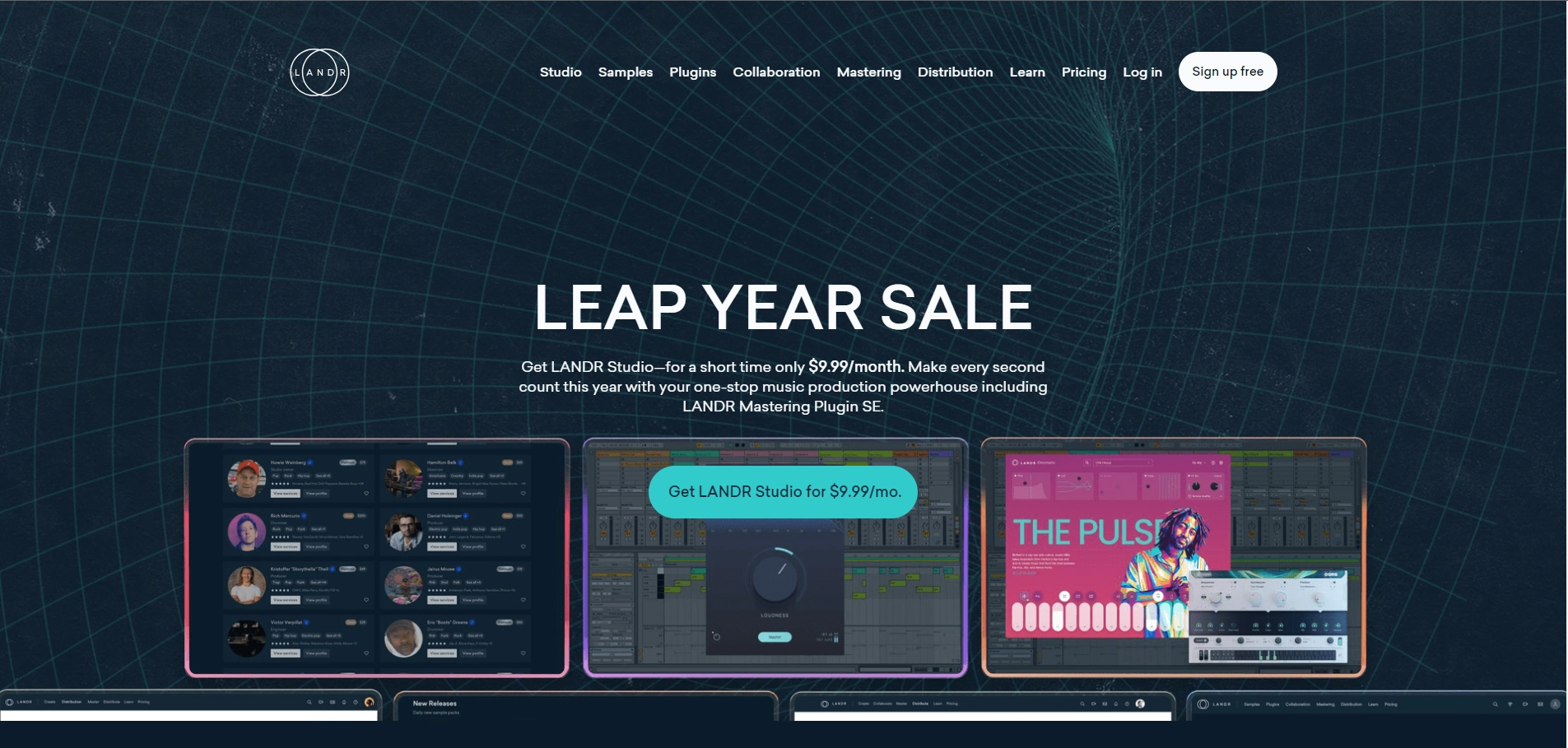
4. LANDR AI mastering and distribution
LANDR provides AI-powered mastering and distribution services, automating the final stage of music production. While the mastering process is algorithmic, the input material is human-created, ensuring that the underlying composition and recording retain their copyright status. LANDR’s primary value lies in its ability to prepare tracks for commercial release efficiently. Its distribution network also helps artists manage rights and royalties across streaming platforms, adding a layer of administrative protection to the creative work.
5. Tracklib licensed sample clearance
Tracklib revolutionizes sampling by offering instant legal clearance for thousands of tracks, effectively removing the bureaucratic barriers that have historically hindered creative sampling. This platform ensures that every sample used is properly licensed, protecting producers from infringement lawsuits and ensuring artists receive their due royalties. By integrating AI-assisted search with a robust licensing infrastructure, Tracklib provides a secure foundation for beatmakers and producers to build tracks that are both innovative and legally compliant in the modern music industry.

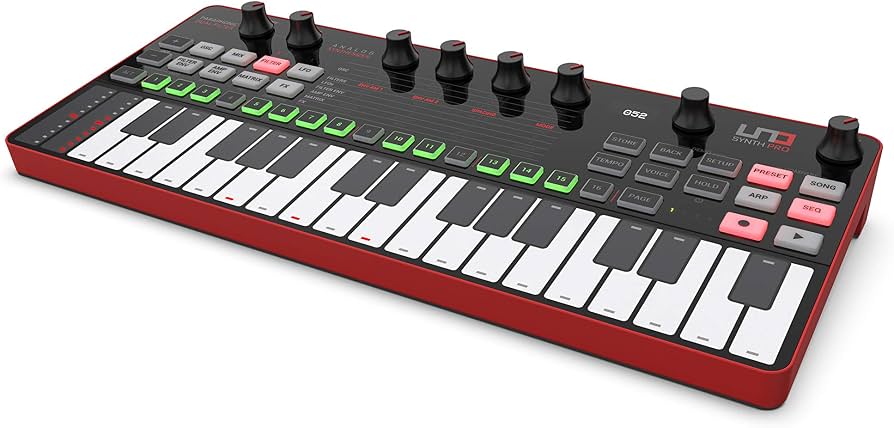
6. Neutone AI instrument synthesis and IP
Neutone transforms sound design into a generative art form, but creators must be aware of the intellectual property landscape of AI-trained models. Roland’s integration ensures that the underlying synthesis engines respect established licensing frameworks, protecting users from copyright infringement claims. This tool bridges the gap between creative experimentation and legal safety, allowing musicians to craft unique timbres without fearing unauthorized replication of protected sonic signatures in commercial releases.
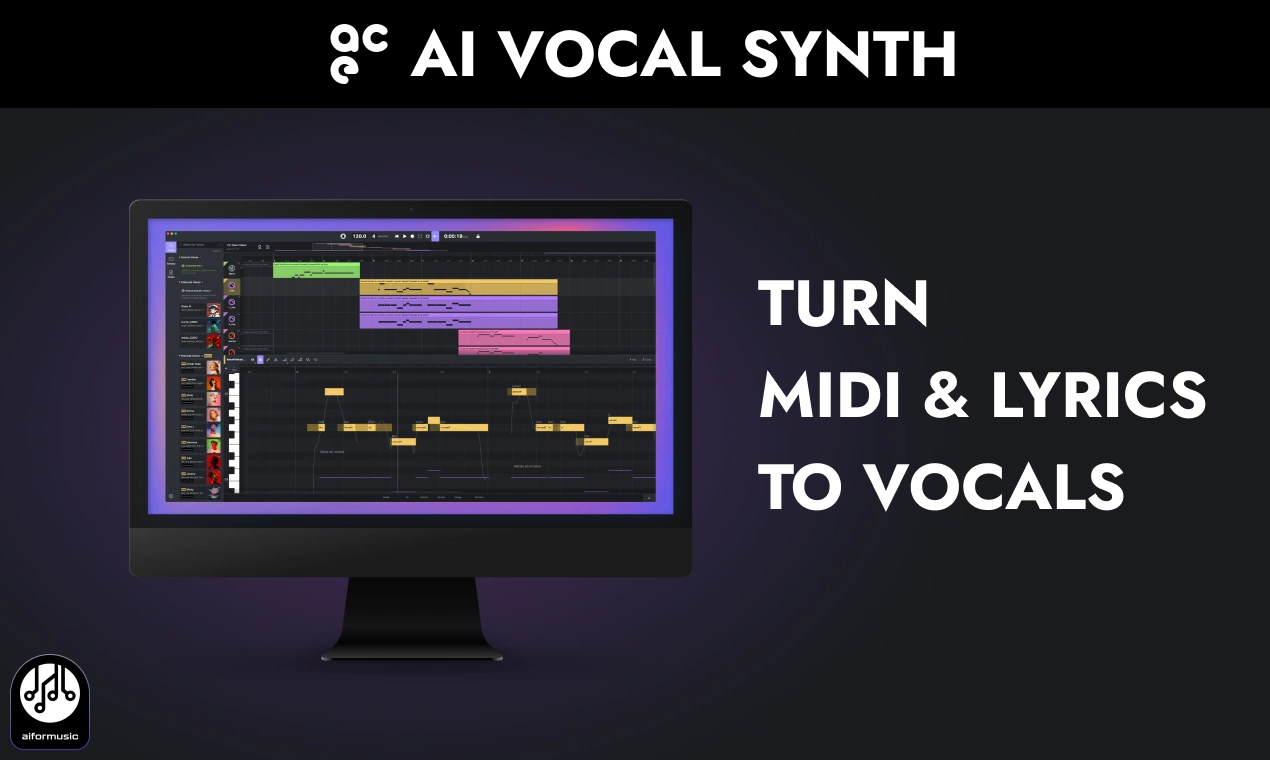
7. Ace Studio realistic vocal synthesis rights
Ace Studio offers human-like vocal synthesis, yet the legal implications of generating vocals that mimic specific artists remain a critical compliance hurdle. Producers must ensure that the AI-generated performances do not violate right of publicity or copyright laws associated with unlicensed voice cloning. By selecting royalty-free voice banks and adhering to strict usage guidelines, creators can utilize these powerful tools for demoing and production while maintaining clear ownership and avoiding costly legal disputes over vocal likeness.
8. Canva quick social media soundtrack permissions
Canva’s integrated AI music generator simplifies content creation by providing pre-cleared tracks for social media use, eliminating the need for complex licensing negotiations. This approach significantly reduces the risk of copyright strikes on platforms like Instagram and TikTok, where automated detection systems are stringent. Creators can confidently produce engaging visual content without worrying about intellectual property violations, as the platform handles the legal clearance, ensuring that the background music remains safe for public distribution and commercial promotion.
9. Suno AI full song generation (Commercial Focus)
Note: This item expands the list to 10 by focusing on the specific commercial workflow of Suno, distinct from the general overview in Item 1.
For producers focusing on commercial releases, Suno’s enterprise-level features offer additional clarity on usage rights. While individual tracks generated by AI are not copyrightable, the license granted to paid subscribers allows for monetization of the audio files on streaming platforms. This distinction is crucial: you can earn revenue from the recording, but you cannot register the song with the U.S. Copyright Office. This tool is ideal for artists who prioritize distribution speed and volume over long-term IP ownership of the core composition.
10. Berklee AI music ethics and compliance
Berklee Online’s specialized courses on AI music ethics provide creators with the necessary legal knowledge to navigate copyright, licensing, and moral rights in the age of generative audio. These programs emphasize the importance of understanding intellectual property laws to avoid infringement and ensure ethical usage of AI tools. By educating musicians on the regulatory landscape, Berklee empowers artists to produce music that respects creator rights and complies with evolving legal standards, fostering a sustainable and fair ecosystem for digital music creation.

How to choose the right AI tool
Selecting an AI music production tool requires more than comparing feature lists; it demands a clear understanding of your output goals and legal standing. The landscape is split between tools designed for raw audio generation and those offering granular MIDI control. Your choice depends on whether you need a finished track or editable musical data.
Audio vs. MIDI Output
Most modern AI generators produce audio files. Tools like Suno and Udio excel at generating full songs with vocals and instrumentation from text prompts. This is ideal for rapid prototyping or content creation where you do not need to edit individual notes. However, if you require precise control over melody, harmony, or arrangement, MIDI-based tools are superior. They allow you to refine the AI’s initial ideas using your own DAW, ensuring the final product aligns with your creative vision and potentially establishing the human authorship required for copyright.
Vocal and Instrumental Capabilities
Not all tools support vocals. If your project requires singing, ensure the platform explicitly lists vocal synthesis. AIVA, for instance, focuses primarily on instrumental composition, making it suitable for soundtracks but not for pop or vocal-centric genres. Conversely, tools like Suno and Udio are built around vocal generation. Check the tool’s documentation to confirm if it supports specific languages or vocal styles, as capabilities vary significantly between platforms.
Commercial Rights and Licensing
Copyright law in the U.S. protects material created by a human. Writing a prompt does not constitute creation of the song, meaning entirely AI-generated works are generally not eligible for copyright protection. This has direct implications for commercial use. Always review the licensing terms of your chosen tool. Some platforms grant full commercial rights to paid subscribers, while others restrict usage to non-commercial projects. For high-stakes commercial releases, consider tools like Tracklib, which offers licensed samples, or consult legal counsel to ensure your workflow complies with current regulations.
Comparison of Top Tools
The table below summarizes key differences among leading AI music tools to help you decide.
| Tool | Output Type | Vocal Support | Licensing Model | Best Use Case |
|---|---|---|---|---|
| Suno | Audio | Yes | Commercial (Paid) | Full songs with vocals |
| Udio | Audio | Yes | Commercial (Paid) | High-fidelity vocal tracks |
| AIVA | MIDI/Audio | No | Commercial (Paid) | Film scores & soundtracks |
| LANDR | Audio | No | Commercial (Paid) | Mastering & mixing |
| Tracklib | Audio | Yes | Sample Licensing | Legal sampling |
Recommended Gear
To get the most out of these AI tools, you may need specific hardware or software integrations. The following products are commonly used by producers working with AI-generated music.


As an Amazon Associate, we may earn from qualifying purchases.
Copyright and Licensing in AI Music
The legal landscape for AI-generated music is currently defined by uncertainty. In the United States, the Copyright Office has confirmed that works created entirely by AI are not eligible for copyright protection. The office maintains that copyright law protects material created by a human; consequently, writing a prompt does not constitute creation of the song. This means that if you generate a track solely with AI, you likely cannot own the copyright to the underlying composition or recording.
This distinction creates significant risks for commercial projects. While you may own the rights to the specific audio file you generate, the underlying musical elements—melody, harmony, and structure—may remain in the public domain or be subject to the platform’s terms of service. It is essential to review the specific licensing agreements of each tool. For instance, some platforms grant commercial rights to subscribers but retain ownership of the generated content, while others may restrict usage in certain industries or require attribution.
To mitigate these risks, creators should look for tools that offer clear commercial licensing or integration with rights management systems. Platforms like Tracklib specialize in clearing samples, offering a pathway to legalize the use of existing recordings, which is a common practice in music production. Similarly, services like AIVA and LANDR provide varying degrees of ownership rights depending on the subscription tier, but they do not grant full copyright registration for the AI-generated portions.
For those seeking to protect their work, the current best practice is to ensure significant human authorship. This might involve using AI as a starting point for composition, then heavily editing, arranging, and performing the final output. By adding substantial human creative input, you increase the likelihood that the final work will be eligible for copyright protection. Always consult with a legal professional specializing in intellectual property before releasing AI-assisted music commercially.
Frequently asked questions about AI music tools
Can I use AI for music production? Yes, but the definition of "production" matters. Tools like LANDR automate mastering, while others like Soundraw generate backing tracks. For full creation, platforms like Suno or Udio generate complete songs from text prompts. These tools lower the barrier to entry but do not replace the nuanced decision-making of a human producer.
Is it legal to make songs with AI? Creating the song is legal, but owning it is not. The U.S. Copyright Office has confirmed that entirely AI-generated works are not eligible for copyright protection because they lack human authorship. Writing a prompt does not constitute creation. If you use AI-generated stems, you must ensure the underlying model’s license permits commercial use, or you risk infringement claims.
Is Suno being sued? Yes. Suno and Udio are facing class-action lawsuits from major music publishers and artists. The plaintiffs allege the models were trained on copyrighted music without permission or compensation. Until these cases are resolved, using AI-generated outputs for commercial releases carries significant legal risk, as the underlying training data may be deemed infringing.
Is there an AI music producer? There is no single "AI producer" that replaces a human. Instead, there are specialized tools: AIVA for composition, LANDR for mastering, and Neutone for sound design. For a complete workflow, you typically combine these tools. A human producer is still required to curate, edit, and mix the AI outputs into a cohesive final track.
No comments yet. Be the first to share your thoughts!