
7 AI Music Production Tools for Buying and Selling Beats in 2026
Buying and selling beats in 2026 requires tools that handle both production and distribution. These seven AI music production platforms streamline the workflow from creation to transaction. We focus on specific software solutions that integrate commerce features directly into the production environment.
-

soundraw for royalty-free beat generation
Soundraw generates customizable instrumental loops tailored to specific moods and lengths, making it ideal for content creators needing quick, royalty-free backing tracks. Users can adjust tempo, energy, and instrumentation without coding knowledge. The platform ensures all outputs are cleared for commercial use, simplifying the licensing process for beat sellers who need consistent, high-quality stems without legal headaches. -
aiva for cinematic and structured compositions
AIVA specializes in emotional, orchestral, and cinematic scores, offering structured compositions that go beyond simple loops. It allows users to edit MIDI data directly, providing granular control over complex arrangements. This tool suits producers creating beat packs for film, gaming, or high-end commercial projects where narrative structure and instrumental depth are critical for selling to niche markets. -

suno for full song generation and stems
Suno creates complete songs with vocals and instrumentation, recently enhancing its ability to isolate stems for beat resale. Producers can generate full tracks and then separate instruments to create exclusive beat packs. This capability transforms Suno from a song generator into a versatile source for original, multi-track assets that can be licensed or modified for commercial beat sales. -
openmusic for text-to-music workflows
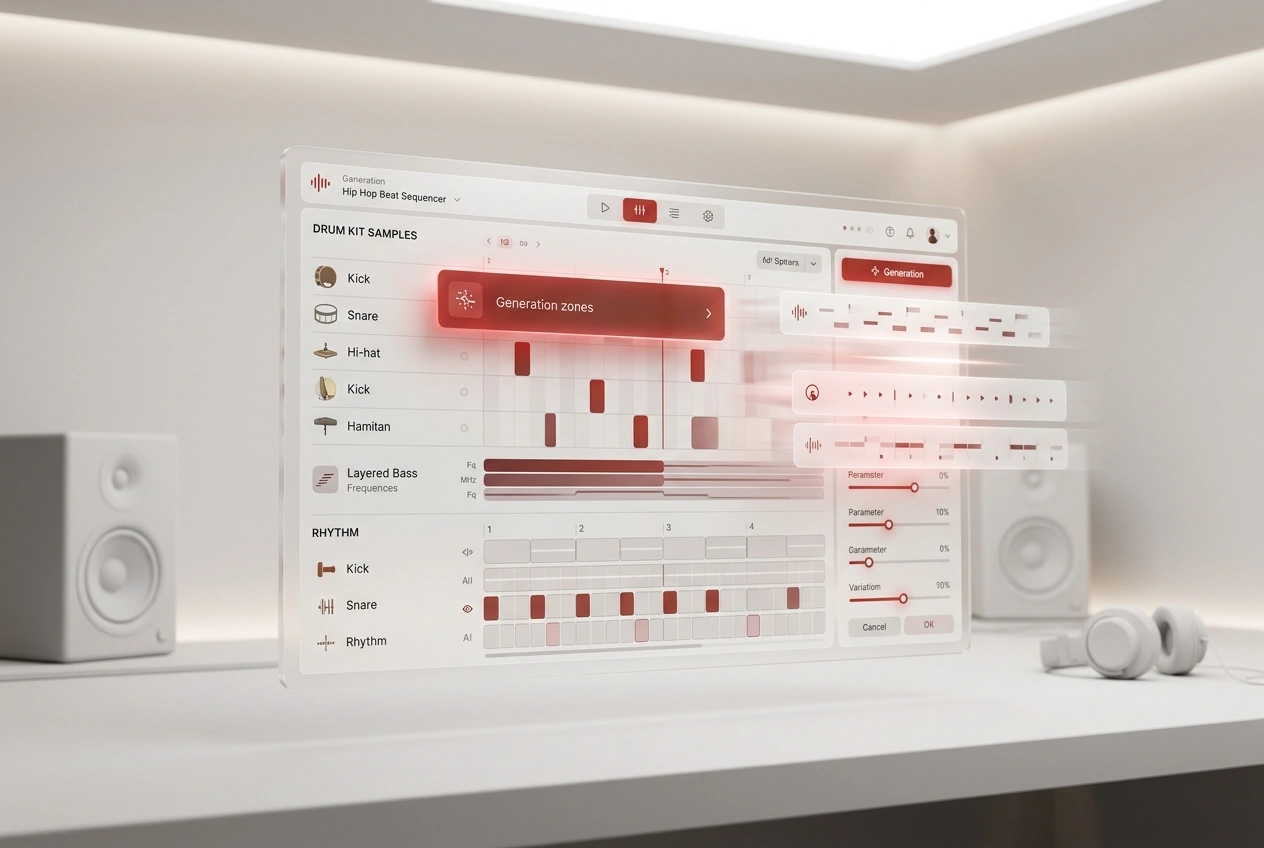
OpenMusic provides a text-to-music interface that translates descriptive prompts into structured musical outputs. It appeals to producers seeking rapid prototyping of ideas without traditional DAW workflows. By converting textual concepts into audible drafts, it accelerates the creative process, allowing beat sellers to quickly explore new genres and styles before refining them into sellable products. -

canva for social media beat integration
Canva enables beat sellers to create professional visual assets for promoting their tracks on social platforms. Its template library allows for quick design of cover art, promotional posts, and video thumbnails. Integrating audio with visually compelling graphics increases engagement and click-through rates, helping independent artists market their beats effectively without needing dedicated graphic design skills or expensive software. -
MuseNet for experimental style blending
OpenAI’s MuseNet stitches together four minutes of music across ten genres, from country to Beethoven. It acts as a stylistic chameleon, allowing producers to merge disparate influences into coherent tracks. This tool excels at generating unique harmonic progressions and instrumental layering that defy traditional genre boundaries. Use it to spark unconventional beat structures or find fresh melodic motifs that break the monotony of standard loop-based production workflows. -

Boomy for instant track creation and distribution
Boomy simplifies beat production by generating finished tracks in seconds, then directly distributing them to streaming platforms. It removes the technical barrier of mastering and metadata management, making it ideal for artists seeking quick monetization. While less granular than DAWs, its speed allows for high-volume content creation. Producers can use Boomy to test market trends rapidly or fill gaps in a catalog without spending hours on arrangement and mixing details.
How AI changed beat marketplaces
The beat marketplace has shifted from static loop libraries to dynamic, AI-generated compositions. In 2026, producers no longer browse static WAV files; they license customizable stems generated on demand. This change demands new tools for buying and selling beats that can adapt to specific project needs.
AI music production tools now handle the heavy lifting of composition and arrangement. Software utilizes artificial intelligence to generate, classify, or recommend music, simulating mental tasks that used to require hours of manual sequencing. This allows producers to focus on the creative direction rather than the technical grind.
This shift is evident in platforms like Buybeats, where the focus is on the final track rather than the source loops. The integration of AI into these marketplaces means that buyers can request specific variations, and sellers can offer more personalized services. The result is a more efficient workflow for everyone involved.
The 30% rule for AI is a guiding principle that suggests artificial intelligence solutions should handle about 70% of repetitive or preparatory work, while humans retain the remaining 30% for oversight, creativity, and judgment. As AI adoption accelerates toward 2026, this balance has become increasingly important for beat sellers who want to maintain their unique sound while scaling their output.
Compare AI beat platforms side by side
Choosing the right AI tool depends on your workflow and licensing needs. Some platforms excel at generating full tracks for social content, while others provide stems for detailed mixing. The table below breaks down the primary differences in output type, licensing, and target audience for the leading options.
| Platform | Licensing | Output Type | Best Use Case |
|---|---|---|---|
| SOUNDRAW | Royalty-free, perpetual | Full track or stems | Beat sellers & content creators |
| AIVA | Commercial license required | Full track or MIDI | Composers needing MIDI control |
| Canva AI | Standard content license | Full track | Social media & video edits |
| OpenMusic AI | Free & paid tiers | Full track | Quick demos & lyric integration |
SOUNDRAW stands out for beat sellers because it grants a worldwide, perpetual license, allowing you to keep 100% of revenue from platforms like Spotify or YouTube without copyright claims. AIVA is better suited for producers who want to export MIDI files to tweak arrangements in their own DAW. Canva’s AI is ideal for quick, non-musical content where a simple background track suffices. OpenMusic AI offers a free entry point for those testing the waters before committing to a subscription.
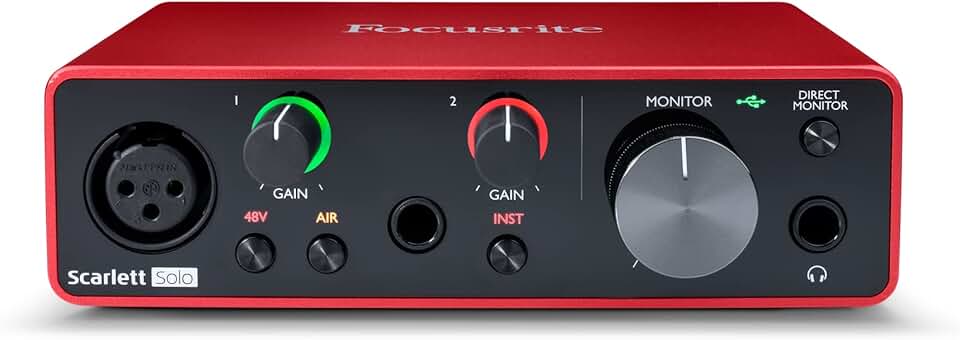
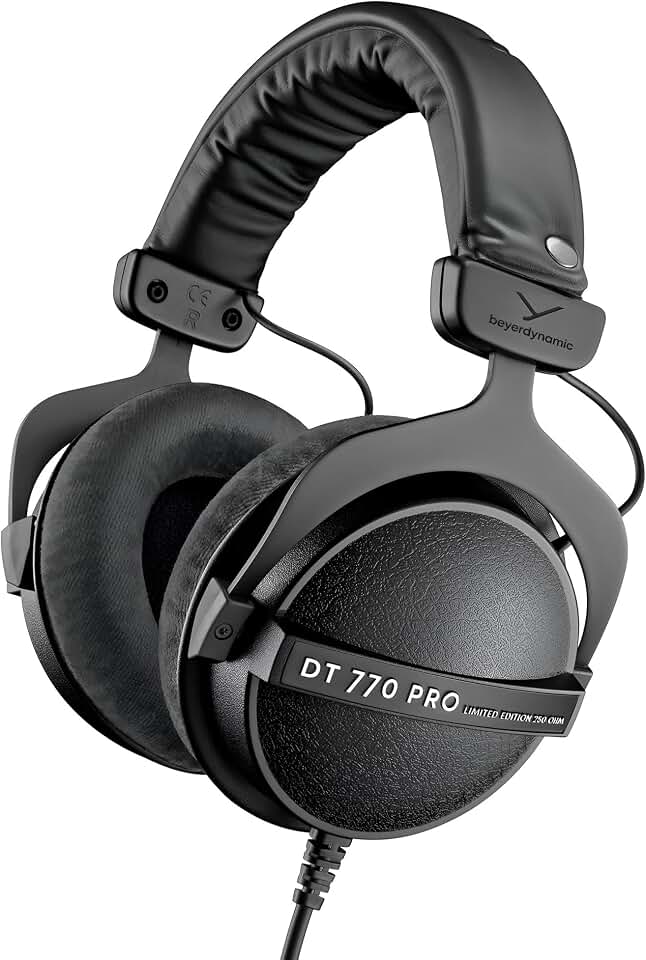

As an Amazon Associate, we may earn from qualifying purchases.
Frequently asked questions about AI beats
Can I use AI for music production?
Yes. AI tools can generate, classify, or recommend music, simulating tasks that humans traditionally perform. These tools are designed to help producers create beats faster, allowing you to focus on arrangement and mixing rather than starting from a blank canvas.
What is the 30% rule for AI?
The 30% rule suggests that AI should handle about 70% of repetitive or preparatory work, while humans retain the remaining 30% for oversight, creativity, and judgment. This balance ensures that your final product retains a human touch and artistic integrity.
Is there an AI music producer?
Yes. Tools like SOUNDRAW use AI trained on in-house produced music to generate beats. These platforms often provide worldwide, perpetual licenses, allowing you to monetize your tracks on platforms like YouTube, Spotify, or TikTok without copyright claims.
Is Suno being sued?
Yes. The "big three" record companies—Sony Music Group, Universal Music Group, and Warner Music Group—sued Suno and Udio in 2024. They accused the AI generators of massive copyright infringement for training their models on thousands of iconic songs without permission.
No comments yet. Be the first to share your thoughts!