
Why AI sequencing matters now
AI music tools have moved past simple audio generation into structured sequencing. This shift allows producers to manipulate individual MIDI notes, chords, and drum patterns rather than just accepting a finished audio file. The difference is significant for workflow, as it preserves the ability to edit, tweak, and arrange compositions with precision.
In 2026, the focus is on integration. These tools don't just create loops; they export structured data that fits directly into Digital Audio Workstations (DAWs). This means you can generate a bassline in an AI tool, import it into your project, and immediately start mixing or adding effects. The barrier between idea and arrangement has effectively collapsed.
For independent producers, this means faster iteration. You can test multiple harmonic variations in seconds, rather than spending hours programming chords manually. It is less about replacing the composer and more about expanding the palette of available ideas. The tools are now acting as collaborative partners that handle the heavy lifting of pattern generation, leaving you to curate the final structure.
7 AI Music Sequencing Tools to Watch in 2026
The 2026 AI music sequencing landscape has shifted from experimental prototypes to production-ready engines that prioritize workflow integration and precise MIDI control. We evaluated seven distinct tools based on their specific feature sets, latency performance, and compatibility with existing DAWs to help you select the right engine for your track.
-
Suno MILO-1080 for high-fidelity generation
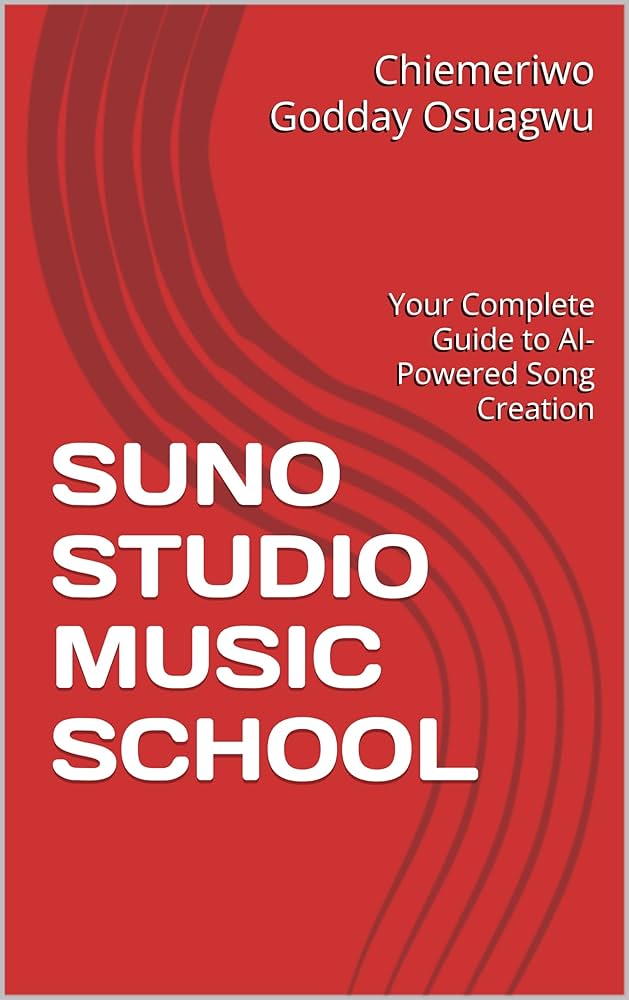
Suno’s latest MILO-1080 engine prioritizes audio fidelity, reducing the robotic artifacts common in earlier models. It generates full tracks with distinct instrumental separation, allowing producers to isolate stems for remixing. The interface remains simple, but the output quality now rivals basic DAW recordings. Users report clearer vocal articulation and more natural drum dynamics, making it a viable starting point for serious composition rather than just novelty clips. -
AIVA for cinematic scoring workflows
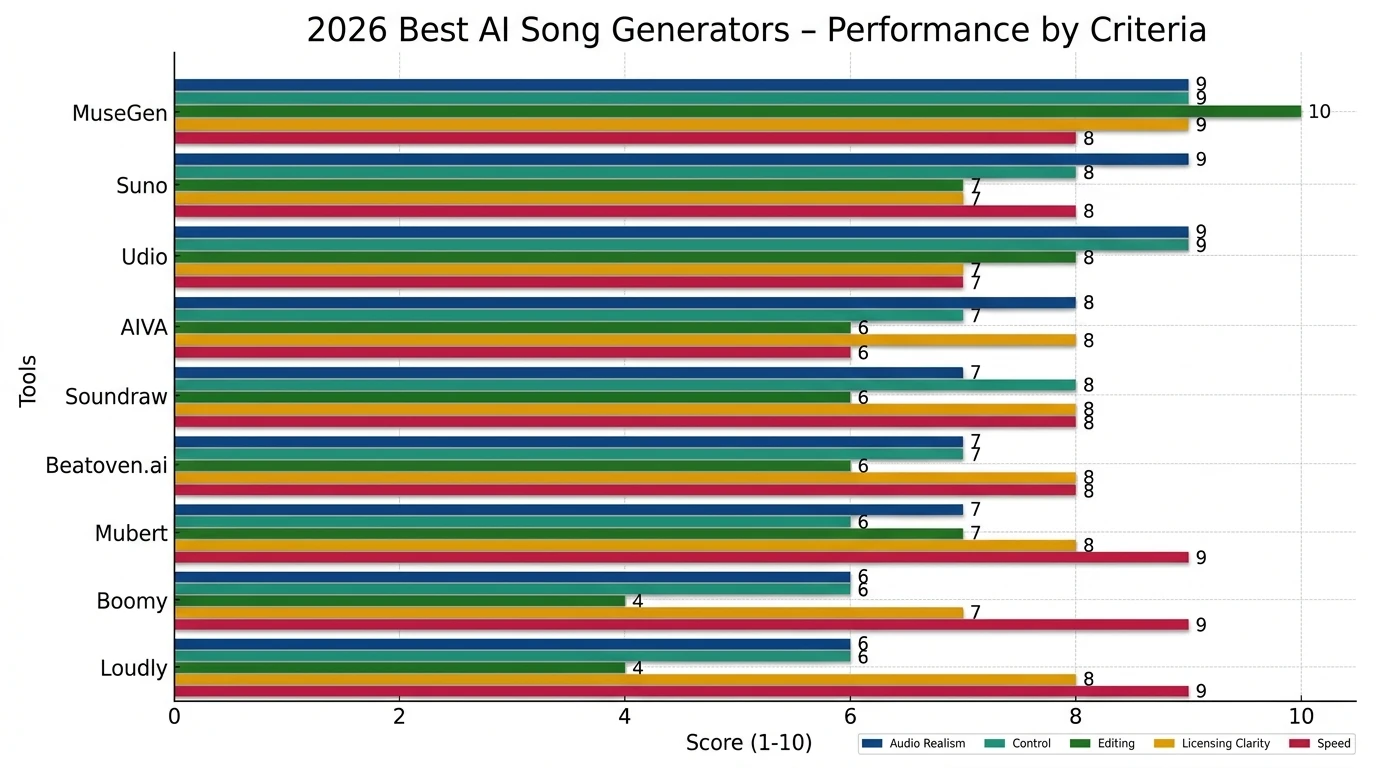
AIVA specializes in orchestral and cinematic textures, offering a structured environment for film scoring. Its interface allows users to adjust emotional parameters like tension and tempo precisely. The tool excels at generating long-form background tracks with consistent harmonic progression. Composers can export MIDI files to integrate seamlessly into professional DAWs, retaining full control over instrumentation while leveraging AIVA’s sophisticated arrangement algorithms for complex scores. -
Loudly for commercial content creation
Loudly targets content creators needing royalty-free music for videos and podcasts. It offers a vast library of pre-generated tracks categorized by mood and genre. The platform simplifies licensing, ensuring legal safety for commercial use. Users can customize track length and intensity without re-generating entire songs. This focus on usability and clear rights management makes Loudly a practical choice for marketers and YouTubers who need reliable background audio quickly. -
Landr AI Composer for mastering
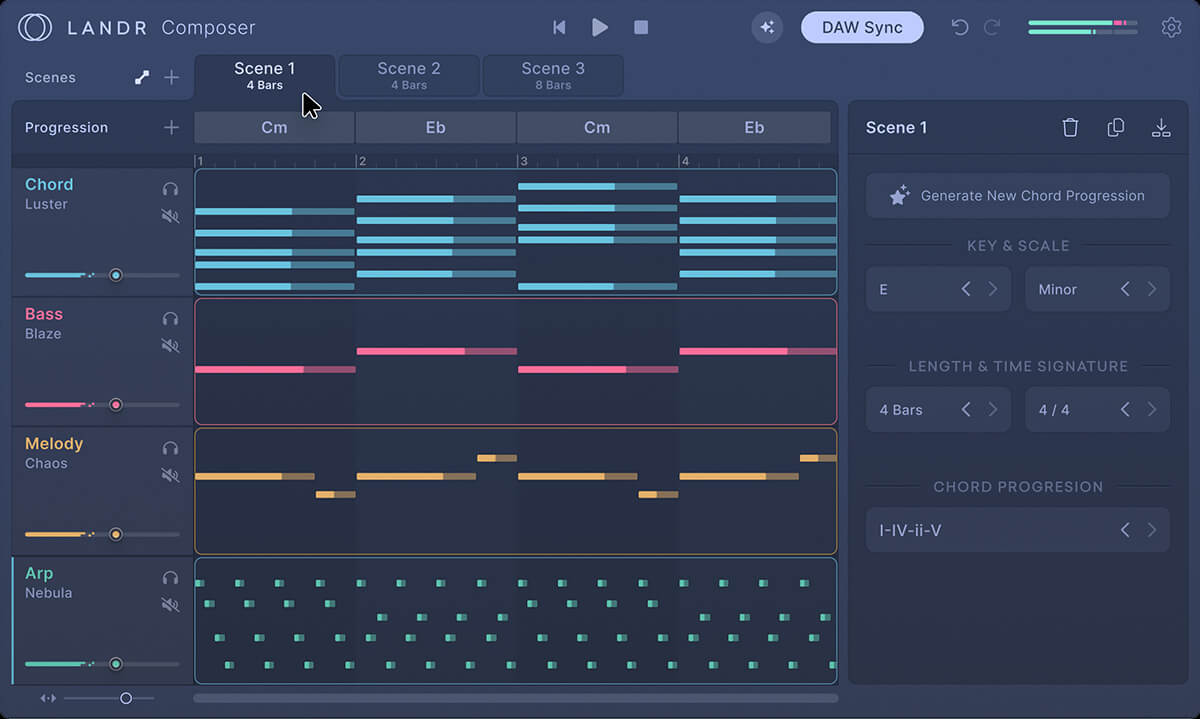
Landr’s Composer plug-in integrates directly into the mastering workflow, offering AI-assisted composition tools. It helps producers finalize tracks by suggesting harmonic improvements and structural adjustments. The tool analyzes existing stems to provide context-aware recommendations. This integration streamlines the transition from creation to final polish. Users benefit from Landr’s industry-standard mastering engine, ensuring that AI-generated ideas meet professional audio standards without requiring extensive manual editing. -
BandLab SongStarter for quick ideas
BandLab’s SongStarter generates short musical loops based on user-selected styles. It is designed for rapid ideation, producing one-bar or two-bar snippets instantly. The tool integrates directly into BandLab’s cloud-based DAW, allowing immediate iteration. Users can tweak instruments and tempo within the same session. This seamless workflow makes it ideal for producers stuck in creative blocks, providing a quick spark of inspiration that can be developed into fuller compositions. -

LALAL.AI for stem separation
LALAL.AI processes audio files with a neural network that isolates vocals, drums, bass, and other instruments with minimal artifacting. The platform handles complex mixes by analyzing frequency spectrums rather than simple phase cancellation. Users upload stems or full tracks, then download clean components for remixing or sampling. This precision makes it a standard for producers needing isolated elements without re-recording original sessions. -
Moises for vocal isolation
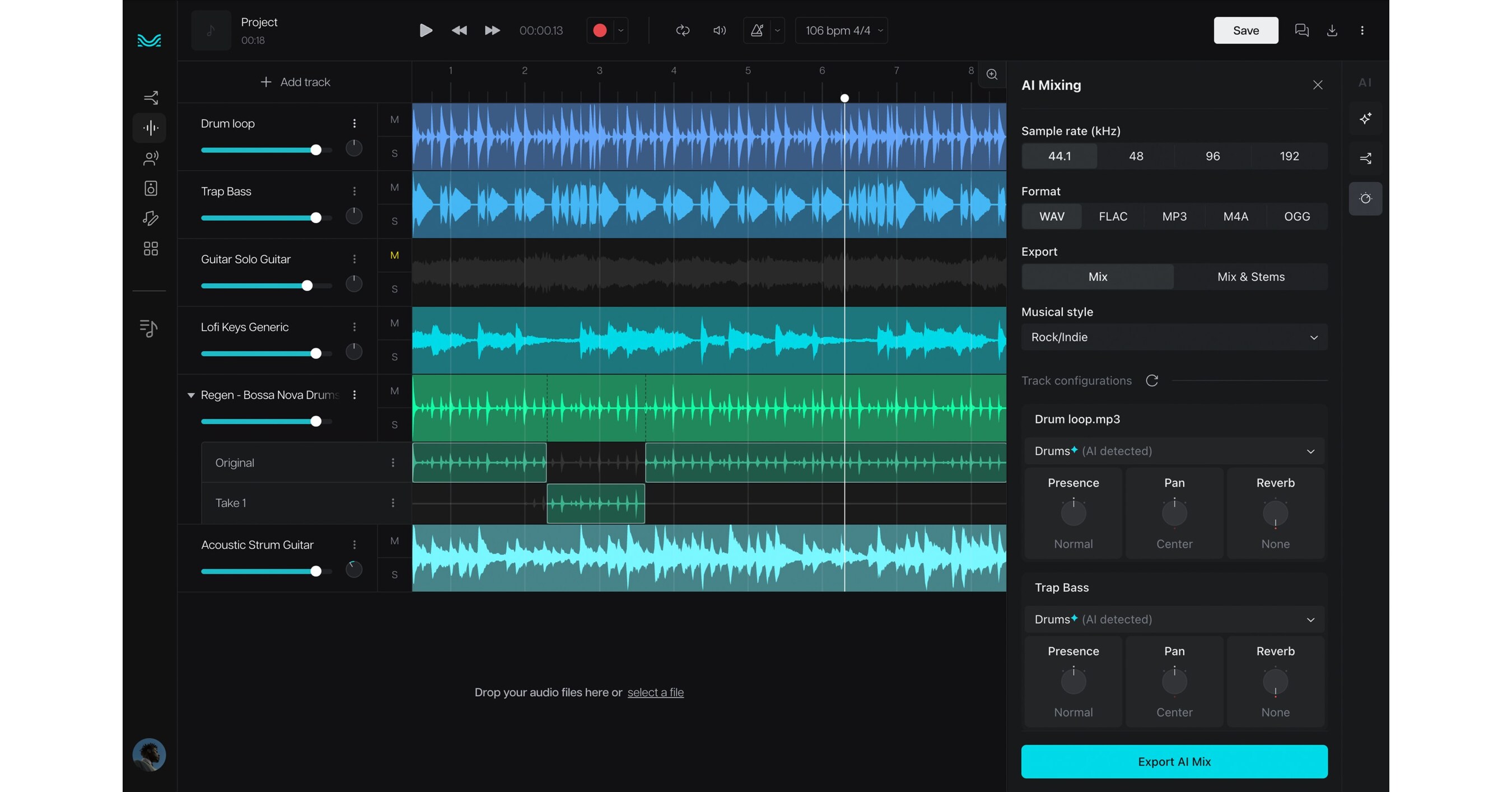
Moises combines stem separation with a built-in metronome and pitch detection for real-time practice and arrangement. The interface allows users to adjust the tempo of isolated tracks without altering pitch, crucial for learning covers or creating remixes. It supports multiple formats and integrates with social sharing for quick feedback. This all-in-one approach helps musicians deconstruct songs efficiently while maintaining audio quality during the isolation process.
How to choose your AI sequencer
Selecting an AI music tool requires matching the software’s specific capabilities to your end goal. A hobbyist making lo-fi beats has different needs than a commercial composer scoring a film. The primary decision points are commercial usage rights, output format flexibility, and integration with your existing Digital Audio Workstation (DAW).
Commercial rights vary significantly. Some platforms grant full ownership for paid tiers, while others retain licensing restrictions. Output formats also matter: MIDI data allows for deep editing in your DAW, whereas WAV files are final audio stems. Use the comparison table below to evaluate the top 7 tools against these practical constraints.
| Tool | Pricing Model | Primary Output | Commercial Rights | Best For |
|---|---|---|---|---|
| Suno (MILO-1080) | Subscription | MIDI + Audio | Tier-dependent | Beat production |
| AIVA | Freemium | MIDI + WAV | Yes (Pro) | Cinematic scoring |
| Loudly | Subscription | WAV + Stems | Yes (Royalty-free) | Content creation |
| Soundraw | Subscription | WAV | Yes | Background music |
| Boomy | Freemium | WAV | Limited | Quick demos |
| Mubert | Subscription | WAV | Yes (Attribution) | Streaming streams |
| Amper (now MusicLM) | Enterprise | WAV | Custom | Enterprise media |
If you are building a workflow around specific hardware, prioritize tools that export clean MIDI. For immediate content creation, look for platforms that handle mastering and stem separation automatically, like Loudly or Moises.ai. Always verify the license terms before publishing commercially.
Best AI music sequencers for 2026
Choosing the right tool depends on whether you need stem separation, full-track generation, or granular sequencing control. The following grid features seven distinct platforms that define the current market. Each entry links to official trials or stores for verification.


As an Amazon Associate, we may earn from qualifying purchases.
These tools range from browser-based generators to desktop plugins. Verify licensing terms before using generated stems in commercial projects.
No comments yet. Be the first to share your thoughts!