

Appchains represent a paradigm shift in blockchain design, offering tailored blockchains optimized for specific applications while inheriting Ethereum's security. Yet scaling these within Layer 2 marketplaces demands more than generic rollups; it requires programmable sequencers that enable custom transaction ordering and fee mechanisms. As Ethereum trades at $2,249.56, down 2.00% over the last 24 hours from a high of $2,328.65, the L2 ecosystem faces pressure to deliver efficient scaling amid volatile conditions.
In Ethereum L2 scaling marketplaces, platforms like Sequencer Marketplaces facilitate auctions for sequencing rights, but programmable sequencers elevate this by embedding logic on-chain. This allows rollup operators to bid not just on capacity, but on customized execution policies, fostering competition and innovation in appchain sequencer bidding.
Sequencers as the Linchpin of Appchain Performance
At their core, sequencers order transactions, execute them, and batch proofs to Layer 1. Traditional centralized sequencers offer speed but invite censorship risks and single points of failure. Decentralized alternatives, while resilient, often sacrifice throughput. Programmable sequencers bridge this gap, letting developers code rules for fair ordering, MEV mitigation, and dynamic fees directly into the protocol.
Consider the economics: in a shared sequencer infra, operators compete via auctions for slots. Programmable variants extend this to custom sequencer execution, where bids incorporate policy preferences. This aligns incentives, as seen in rising interest around Syndicate's SYND token, an ERC-20 that powers such on-chain sequencers for appchains.

From a fundamental standpoint, this evolution supports long-term viability. Rollups with rigid sequencers struggle under load; programmable ones adapt, much like how financial markets use algorithmic trading for efficiency.
Syndicate's Framework for Programmable Appchain Sequencing
Syndicate stands out with its sharded network-of-networks, enabling atomically composable appchains. Their programmable onchain sequencers integrate logic via smart contracts, making policies auditable and upgradeable. Developers gain control over transaction ordering, fee structures, and governance, reducing dependence on opaque centralized services.
Key technical edges include support for diverse compliance needs and community-driven upgrades. With SYND facilitating sequencing auctions, it creates an and quot;internet of appchains and quot; where performance scales horizontally. This resonates in marketplaces, where node providers can bid on sequencer roles tailored to appchain demands, optimizing costs in a $2,249.56 ETH environment.
Ethereum (ETH) Price Prediction 2027-2032
Forecasts based on L2 marketplaces, programmable sequencers (Syndicate, Spire), appchain scaling, and current market data (ETH at $2,249.56 in early 2026)
| Year | Minimum Price | Average Price | Maximum Price | YoY % Change (Avg) |
|---|---|---|---|---|
| 2027 | $2,100 | $3,800 | $5,800 | +68.9% |
| 2028 | $2,800 | $5,200 | $8,000 | +36.8% |
| 2029 | $4,000 | $6,800 | $10,500 | +30.8% |
| 2030 | $5,000 | $9,000 | $14,000 | +32.4% |
| 2031 | $6,500 | $11,500 | $18,000 | +27.8% |
| 2032 | $8,000 | $14,500 | $22,000 | +26.1% |
Price Prediction Summary
Ethereum (ETH) is forecasted to experience strong growth from 2027 to 2032, driven by programmable sequencer innovations and L2 appchain adoption. Average prices are expected to rise from $3,800 in 2027 to $14,500 by 2032 (over 540% cumulative growth from 2026 baseline), with minimums reflecting bearish corrections amid cycles and maximums capturing bullish adoption peaks. Projections account for short-term bearish pressures rebounding into medium- to long-term upside.
Key Factors Affecting Ethereum Price
- Advancements in programmable sequencers (Syndicate's on-chain logic, Spire's based sequencing auctions) enhancing L2 scalability and customization
- Increased appchain adoption reducing Ethereum congestion and fees, boosting transaction volumes
- Bullish market cycles post-2026 rebound, institutional inflows, and regulatory clarity
- Technological upgrades like zkVMs, Chainless Apps framework, and decentralized validation improving interoperability
- Ethereum's dominant L2 ecosystem vs. competition, with potential market cap expansion to $2T+ by 2030 in avg scenarios
Disclaimer: Cryptocurrency price predictions are speculative and based on current market analysis. Actual prices may vary significantly due to market volatility, regulatory changes, and other factors. Always do your own research before making investment decisions.
Analytically, Syndicate's model de-risks investments by emphasizing resilience. In volatile markets, fundamentals like programmable flexibility outweigh hype, positioning appchains for sustained growth.
Spire's Election Mechanisms and Decentralized Resilience
Complementing Syndicate, Spire's Based Stack introduces sequencer elections via Dutch auctions. Participants bid tickets for exclusive block proposal rights, matching auction periods for permissionless entry. This promotes decentralization while delivering preconfirmations.
Forward sequencers and a Censorship-Resistance Committee ensure inclusion guarantees, aligning with Ethereum principles. In L2 marketplaces, such mechanisms enable dynamic appchain sequencer bidding, where operators compete on reliability over raw speed. As ETH holds above $2,115.33 lows, these innovations signal maturing infra ready for scale.
Spire's design not only decentralizes power but also incentivizes high-quality sequencing through market dynamics, a critical edge in Ethereum L2 scaling marketplaces where reliability trumps volume during dips like Ethereum's recent slide to $2,249.56.
Chainless Apps: Disaggregating for Ultimate Flexibility
Chainless Apps push modularity further, slicing execution, trust, bridging, and settlement into independent layers. This lets appchains deploy app-specific sequencers that handle verifiable off-chain compute via zkVMs, delivering Web2 speeds with Web3 proofs. No more monolithic rollups; instead, developers mix sequencing flavors for domain-optimized performance.
Imagine a gaming appchain prioritizing low-latency ordering via a custom sequencer, while a DeFi chain enforces strict MEV protections. Decentralized validation services underpin it all, ensuring Ethereum settlement without vendor lock-in. In sequencer auctions, this granularity allows precise appchain sequencer bidding, where operators specialize in niches, driving efficiency as ETH navigates its 24-hour low of $2,115.33.
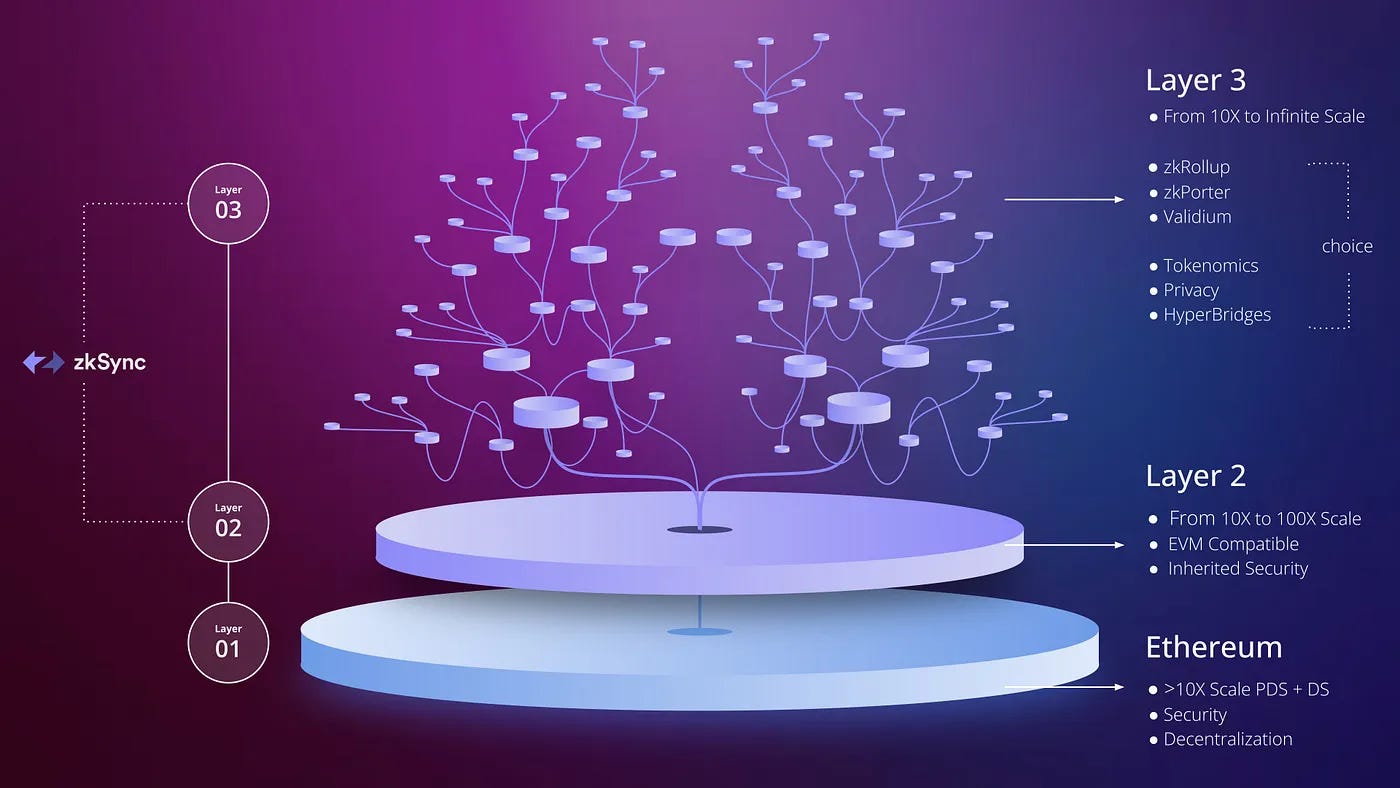
From an investment lens, Chainless embodies the conservative bet on composability. Rigid stacks falter in bear phases; modular ones endure, much like diversified portfolios weathering volatility.
Navigating Sequencer Auctions in L2 Marketplaces
Platforms like Sequencer Marketplaces turn these innovations into actionable markets. Rollup operators bid for sequencing slots, now enhanced by programmable logic from Syndicate, Spire, or Chainless. Bids factor in custom policies, fair ordering auctions, dynamic fees, even AI-driven prioritization, creating a competitive arena for custom sequencer execution.
Shared sequencer infra shines here: one network serves multiple appchains, slashing costs while distributing risk. Dutch auctions in Spire, token-weighted bids via SYND, or modular slots in Chainless all integrate seamlessly, fostering decentralization without throughput trade-offs.
Comparison of Programmable Sequencer Approaches for Appchains
| Approach | Key Mechanism | Key Features | Pros | Cons |
|---|---|---|---|---|
| Syndicate | On-chain policies | SYND token, Programmable sequencers, Sharded network-of-networks | • High flexibility in transaction ordering, fees, and governance • Auditable and upgradeable smart contract logic • Community ownership and resilience | • Customization complexity for developers • Reliance on SYND token economics |
| Spire | Dutch auction elections | CR Committee, Based Sequencing, Forward sequencers | • Permissionless decentralization via auctions • Enhanced censorship resistance • Optimized for MEV and composability | • Potential sequencer election volatility • Coordination overhead for committees |
| Chainless | Modular layers | zkVMs, Separated execution/trust/bridging/settlement | • Web2 UX with Web3 verifiability • App-specific scalability and interoperability • Verifiable off-chain computation | • Modular design complexity • zkVM computational overhead |
Analytics reveal a maturing ecosystem. As Ethereum holds $2,249.56 amid -2.00% pressure, L2 marketplaces with programmable sequencers position appchains for 10x throughput gains, per recent benchmarks.
Risks, Rewards, and Rollup Economics
Programmable sequencers aren't flawless. Complexity invites bugs, and election mechanisms demand vigilant participation to avoid collusion. Yet rewards dominate: censorship resistance via committees, resilient batching under load, and governance that evolves with users.
Economically, sequencer revenue, fees plus MEV, funds appchain security. In marketplaces, this yields predictable yields for node providers, akin to staking but with auction upside. Fundamentals favor patient allocators; hype-driven L2s fade, but programmable appchains compound value.
Operators eyeing bids should prioritize stacks with proven audits and active committees. As ETH stabilizes post its $2,328.65 high, these tools equip appchains to capture real-world utility, from gaming to finance, solidifying Ethereum's scaling narrative.
Patience and fundamentals build wealth here. Programmable sequencers don't just scale; they redefine appchain sovereignty in L2 marketplaces, rewarding those who bid smart.



No comments yet. Be the first to share your thoughts!