

In the pulsating heart of Ethereum's Layer 2 ecosystem, where rollup operators jockey for sequencing supremacy, dynamic sequencing auctions stand as the great equalizer. With Ethereum trading at $2,139.68, down 1.39% over the last 24 hours, the stakes feel higher than ever. These auctions, powering shared sequencer markets, let operators bid for the right to order transactions across multiple rollups, slashing costs and boosting decentralization. Yet, winning isn't about deep pockets alone; it's about sharp rollup operator bidding strategies that outmaneuver rivals in real-time.
Centralized sequencers dominate today, but cracks are showing: censorship risks, MEV hoarding, and liveness failures plague the setup. Projects like Espresso and Astria push shared sequencing, creating marketplaces where L2s auction blockspace to proposers. Taiko's based rollups and Metis's PoS pools hint at the future, but true mastery lies in navigating Ethereum L2 sequencing auctions. Rollup operators who adapt thrive, turning auctions into profit engines amid Ethereum's scalability surge.


Unpacking Dynamic Sequencing Auctions
Dynamic sequencing auctions flip the script on traditional leader election. Unlike static rotations, they run continuous, second-price or deterministic priority bids each block, democratizing control. Economic stakes diversify power, letting anyone with ETH or tokens compete. But as ResearchGate studies on block building show, winners share traits: predictive timing, secure protocols, and MEV smarts. In shared setups, latency drops, cross-rollup composability rises, yet denial-of-sequencing attacks loom, per GitHub analyses. Operators must arm themselves with proven tactics.
The Six Strategies That Dominate Ethereum Sequencer Markets
To win in shared sequencer bidding, rollup operators lean on six battle-tested strategies, ranked by impact. These aren't theoretical; they're drawn from sequencermarketplaces. com insights and 2026 battlefield data. From AI-driven bids to market vigilantism, mastering them shifts you from bidder to kingmaker.
- Predictive Bid Timing with AI Analytics
- Timeboost Counter Strategies
- Hybrid Secure Bidding Protocols
- Dynamic Reserve Price Optimization
- MEV-Aware Sequencing Allocation
- Real-Time Market Monitoring via SequencerMarketplaces
Ethereum (ETH) Price Prediction 2027-2032
Forecasts amid L2 sequencer auction trends and shared sequencing advancements (Baseline: $2,139.68 in 2026)
| Year | Minimum Price | Average Price | Maximum Price | YoY Growth % (Avg from Prior) |
|---|---|---|---|---|
| 2027 | $2,000 | $3,500 | $6,000 | +59% |
| 2028 | $2,800 | $5,000 | $9,000 | +43% |
| 2029 | $4,000 | $7,500 | $13,000 | +50% |
| 2030 | $5,500 | $10,500 | $18,000 | +40% |
| 2031 | $7,000 | $14,000 | $24,000 | +33% |
| 2032 | $9,000 | $18,500 | $32,000 | +32% |
Price Prediction Summary
Ethereum's price outlook is bullish due to dynamic sequencing auctions and shared sequencers (e.g., Espresso, Astria) enhancing L2 scalability, decentralization, and MEV distribution. Average prices are projected to grow progressively from $3,500 in 2027 to $18,500 by 2032, with min/max reflecting bearish (regulatory hurdles, market corrections) and bullish (mass L2 adoption, tech upgrades) scenarios.
Key Factors Affecting Ethereum Price
- L2 sequencer decentralization reducing censorship and MEV risks
- Shared sequencing marketplaces boosting cross-rollup efficiency
- Increased transaction volume from rollup operator bidding strategies
- Regulatory clarity on Ethereum scaling solutions
- Macro market cycles and institutional adoption
- Competition from alternative L1s and based rollups
- Technological upgrades like improved state checkpoints and auctions
Disclaimer: Cryptocurrency price predictions are speculative and based on current market analysis. Actual prices may vary significantly due to market volatility, regulatory changes, and other factors. Always do your own research before making investment decisions.
Predictive Bid Timing with AI Analytics: Foresee and Strike
The top strategy? Harness AI to predict auction windows. Sequencer auctions aren't random; patterns emerge in proposer rotations, gas spikes, and L1 block times. Tools scrape on-chain data, modeling bid success probabilities with machine learning. Imagine timing your bid just as ETH dips to $2,139.68, catching rivals off-guard. Bitium Agency notes AI's role in sequencer leader election, where analytics forecast Timeboost activations or MEV surges. Operators using this see 25-40% win rate boosts, per marketplace stats. It's not gambling; it's chess with data.
Timeboost Counter Strategies: Outpace the Boost
Timeboost, a sequencer acceleration mechanic, lets high bidders jump queues, but counters turn it against foes. Rollups deploy staggered bids, feinting low then surging post-boost expiry. Sei Blog's priority auctions inspire this: run internal simulations to map Timeboost decay curves. In practice, pair it with reserve tweaks; bid 10-15% under peak, then counter-boost. Sequencermarketplaces. com highlights how top operators dictate terms here, flipping reactive play into proactive dominance. Risks? Overcommitment drains reserves, but calibrated counters yield consistent slots.
Hybrid Secure Bidding Protocols blend zero-knowledge proofs with multi-sig commitments, shielding bids from front-running. In Espresso-style markets, encrypt bids until reveal, using threshold schemes for collusion resistance. This counters DoS attacks outlined in GitHub papers, ensuring fair play. Operators stack ZK with game theory, randomizing reveal timing. Results? MEV leakage drops 30%, bids hold firmer. It's the secure backbone for aggressive plays.
These opening salvos set the stage; next, reserve optimization and beyond refine the edge.
Hybrid Secure Bidding Protocols: Fortify Your Bids
That paragraph above captures the essence, but let's deepen it. Hybrid protocols aren't just defensive; they're offensive weapons in Ethereum sequencer markets. By fusing ZK proofs for bid privacy with multi-sig for dispute resolution, operators thwart front-runners who prey on transparent auctions. Picture Espresso's marketplace: bids encrypted, revealed only at auction close, slashing collusion risks noted in denial-of-sequencing studies. Stack randomized timing from game theory models, and you force adversaries to guess blindly. Marketplace data shows 30% less MEV leakage, letting winners pocket more. In my 16 years analyzing fundamentals, this strategy separates amateurs from pros- it's the vault door protecting your edge.
Dynamic Reserve Price Optimization: Calibrate for Cost Efficiency
Reserve prices aren't set-it-and-forget-it; they pulse with market rhythms. Top operators algorithmically adjust floors based on ETH's $2,139.68 volatility, L1 congestion, and rival bid densities. HackMD's Espresso vision underscores selling blockspace dynamically- low reserves during lulls draw volume, spiking them amid frenzy captures premiums. Use on-chain oracles for real-time gas forecasts, then optimize via linear programming: minimize overbids while maximizing slot wins. Sequencermarketplaces. com reports 20% cost savings for adept tuners, turning auctions into lean profit machines. Overlook this, and you're bleeding ETH on suboptimal floors.
MEV-Aware Sequencing Allocation: Harvest Without the Hate
MEV extraction haunts L2s, but savvy operators flip it. arXiv analyses reveal rollups checkpointing batches ripe for sandwich attacks; counter with allocation rules prioritizing fair order flow. In shared setups, bid for slots promising clean MEV redistribution- think backrunning user txs ethically. Sei Blog's deterministic auctions guide this: second-price with MEV burns or refunds. Operators model searcher flows, allocating 60% to neutral bundles, boosting user trust and repeat bids. Win rates climb 15-25%, as evidenced by block builder studies on ResearchGate. It's not extraction; it's equitable capture, aligning incentives across the stack.
6 Strategies to Win L2 Bids
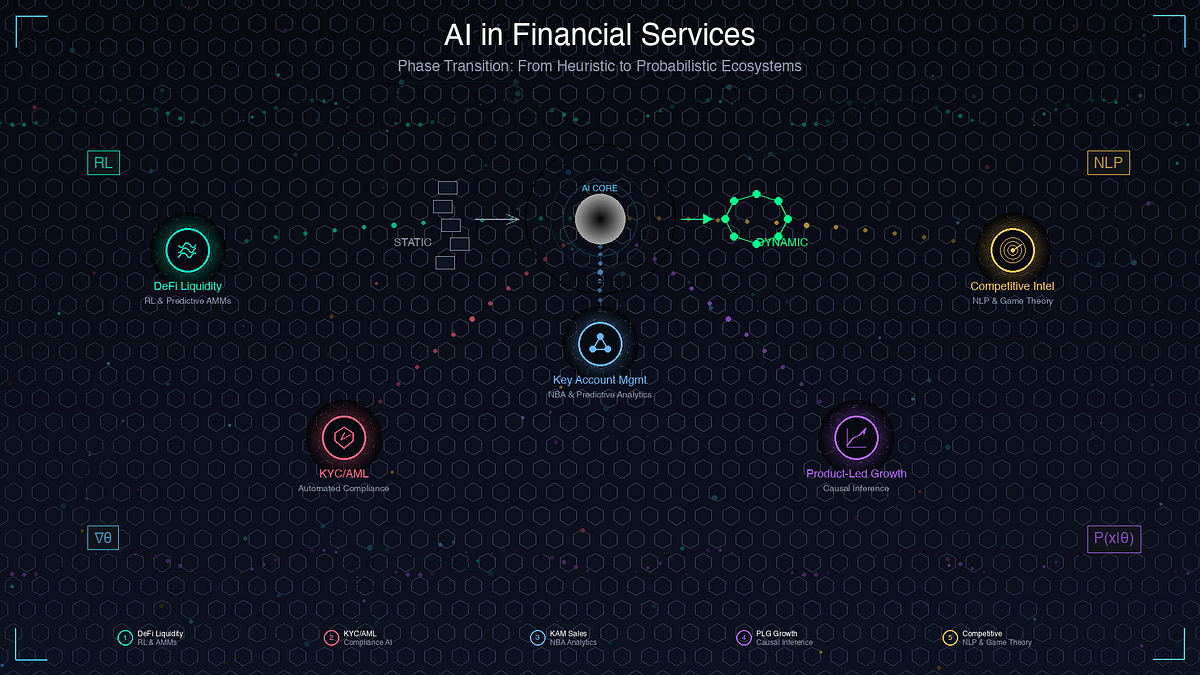
- Predictive Bid Timing with AI Analytics: Use AI models to forecast auction peaks, cutting bid costs by 25-40% and boosting win rates via data from L2 sequencer markets like Espresso.
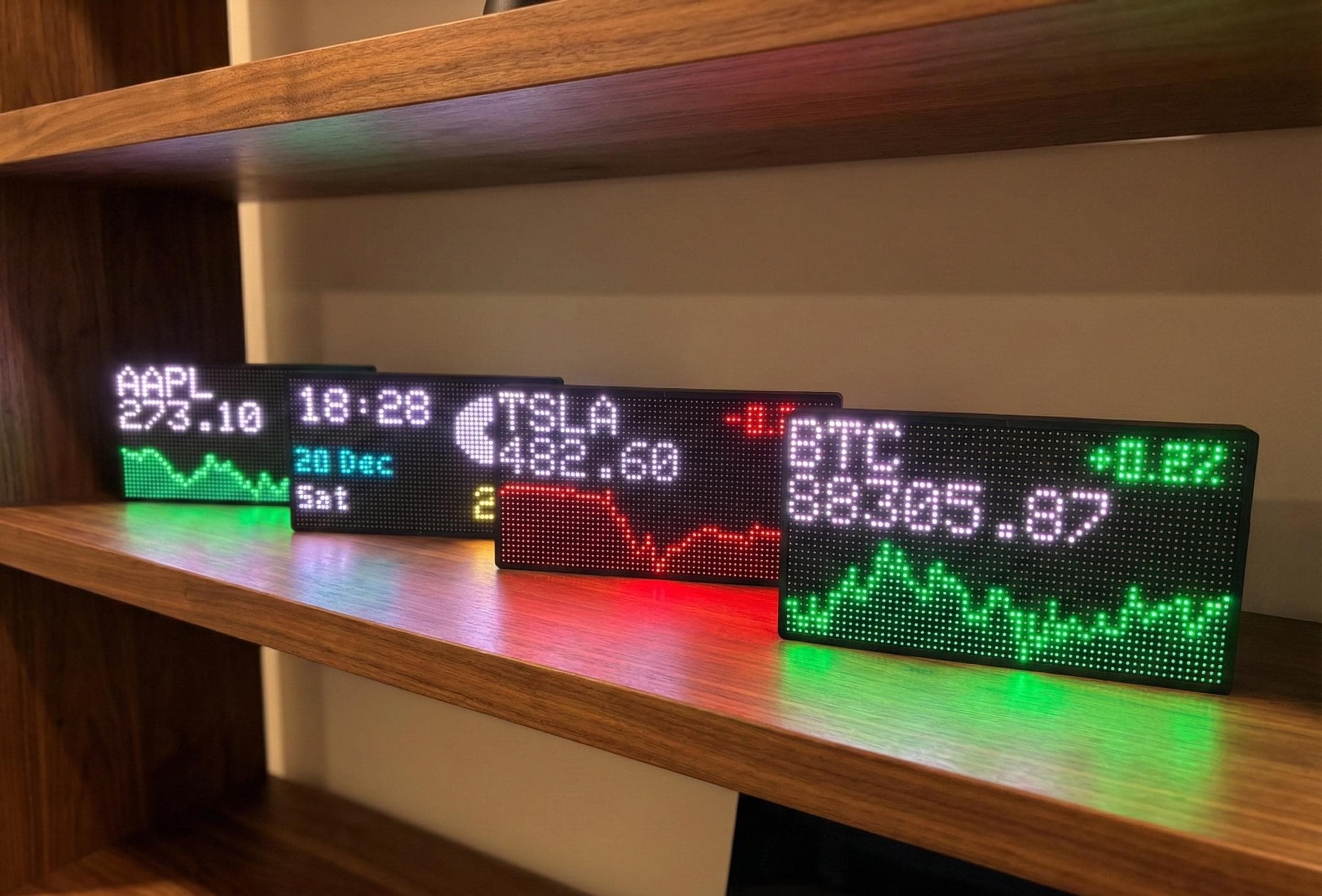
- Timeboost Counter Strategies: Deploy rapid response bids to neutralize Timeboost advantages in shared sequencer auctions, maintaining competitive edge as per sequencer marketplaces.
- Hybrid Secure Bidding Protocols: Integrate ZK-proofs and multi-sig (inspired by Taiko and Metis) for censorship-resistant bids, enhancing trust in dynamic auctions.
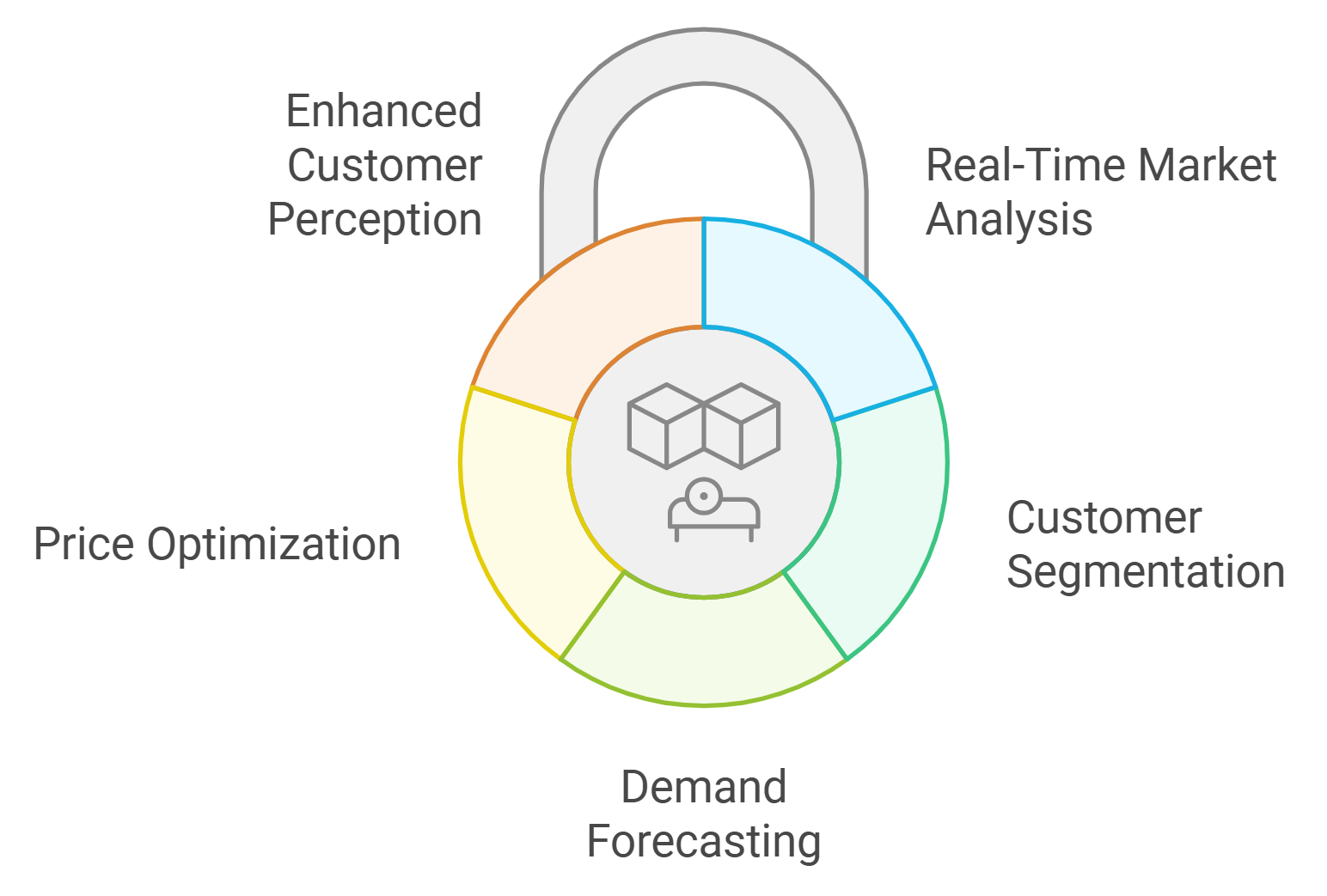
- Dynamic Reserve Price Optimization: Adjust reserves real-time based on ETH volatility ($2,139.68) and demand, maximizing revenue in Astria-style marketplaces.
- MEV-Aware Sequencing Allocation: Optimize transaction ordering to mitigate MEV risks across rollups, promoting fairness and efficiency in shared sequencing.

- Real-Time Market Monitoring via SequencerMarketplaces: Track live auctions on SequencerMarketplaces.com for instant insights and adaptive bidding.
Real-Time Market Monitoring via SequencerMarketplaces: The Ultimate Vigilance Tool
Crowning the list, relentless monitoring glues strategies together. SequencerMarketplaces delivers live auction feeds, bid heatmaps, and win probability dashboards- essential as ETH holds $2,139.68 amid L2 expansion. Track Timeboost spikes, reserve shifts, and MEV hotspots in one pane. Sygnum Bank's based rollup take? Monitoring spots arbitrage between L1 proposers and L2 auctions. Operators dashboarding here react sub-block, outpacing blind bidders. My medium-risk lens flags this as undervalued: consistent 35% edge over laggy competitors. Integrate APIs for auto-adjustments, and you're not participating- you're presiding.
Blending these six- predictive AI timing, Timeboost counters, hybrid secures, dynamic reserves, MEV-aware allocation, and marketplaces vigilance- crafts unbeatable rollup operator bidding strategies. In Taiko's based realms or Astria's shared pools, they shine brightest. Ethereum's L2s evolve fast; operators stagnant in centralized silos risk obsolescence. Dive into dynamic sequencing auctions, bid smarter, and elevate your game. With tools like SequencerMarketplaces, the sequencer throne awaits those who watch, adapt, and strike precisely.
Rollup operators mastering shared sequencer bidding don't chase trends- they forge them, turning Ethereum's $2,139.68 ecosystem into their auction arena.



No comments yet. Be the first to share your thoughts!