

In the competitive landscape of Ethereum Layer 2 rollups, rollup operators face a persistent threat: Maximal Extractable Value, or MEV. This value extraction mechanism, born from transaction ordering, exposes users to front-running and sandwich attacks, eroding trust and efficiency. Centralized sequencers, the backbone of most rollups today, exacerbate these issues by granting disproportionate control to a single entity. Enter shared sequencers - a decentralized alternative promising MEV protection sequencers L2 through neutral transaction ordering across multiple chains. For rollup operators, integrating shared sequencers isn't just a technical upgrade; it's a fundamental shift toward sustainable operations in a fragmented ecosystem.
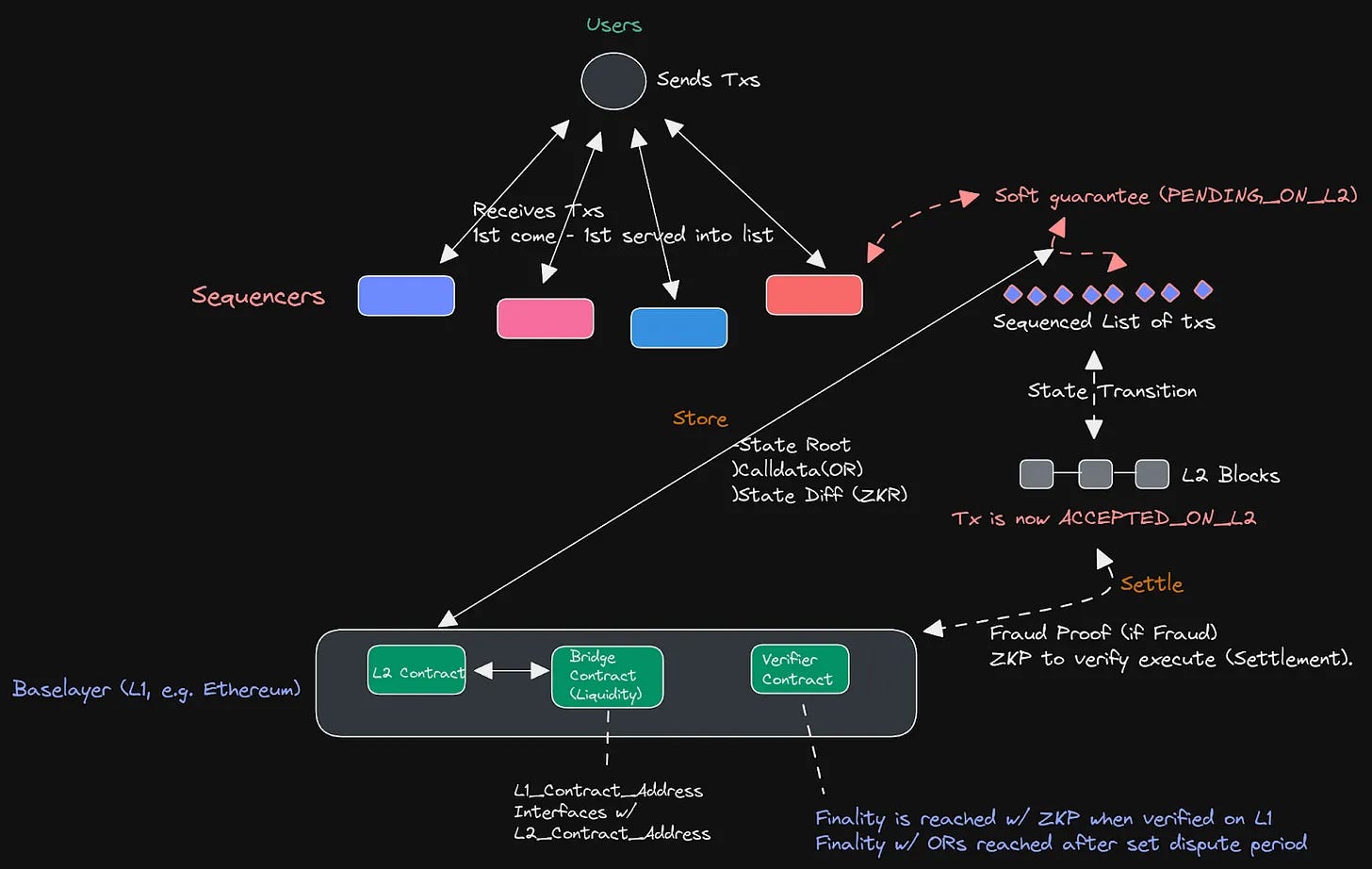
Current market dynamics underscore the urgency. Leading L2s generate revenue from fees and MEV, yet rely on centralized sequencers that invite exploitation. Cross-rollup MEV, where transactions across chains create profitable manipulation opportunities, remains unsolved. Projects like Espresso and Astria are pioneering shared sequencing layers, aiming to unify ordering and reduce fragmentation. This Ethereum sequencer integration toolkit explores how operators can leverage these innovations for robust defense.
Dissecting MEV Vulnerabilities in Centralized Sequencer Models
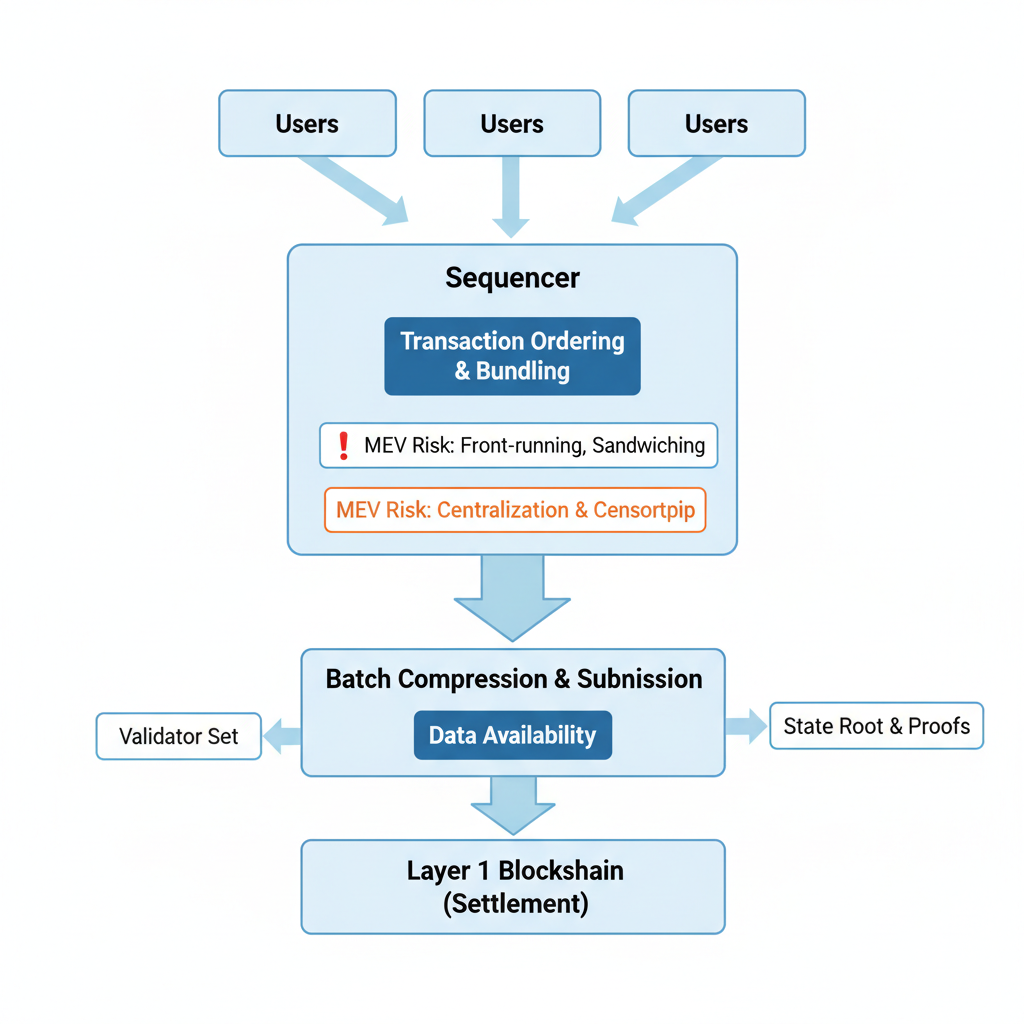
Most rollups, including prominent optimistic and zk variants, employ a single sequencer to batch and order transactions before posting to Layer 1. This efficiency comes at a cost: the sequencer sees all pending transactions, enabling selective ordering for profit. Searchers exploit this by bribing sequencers or using private mempools, leading to user losses estimated in millions annually.
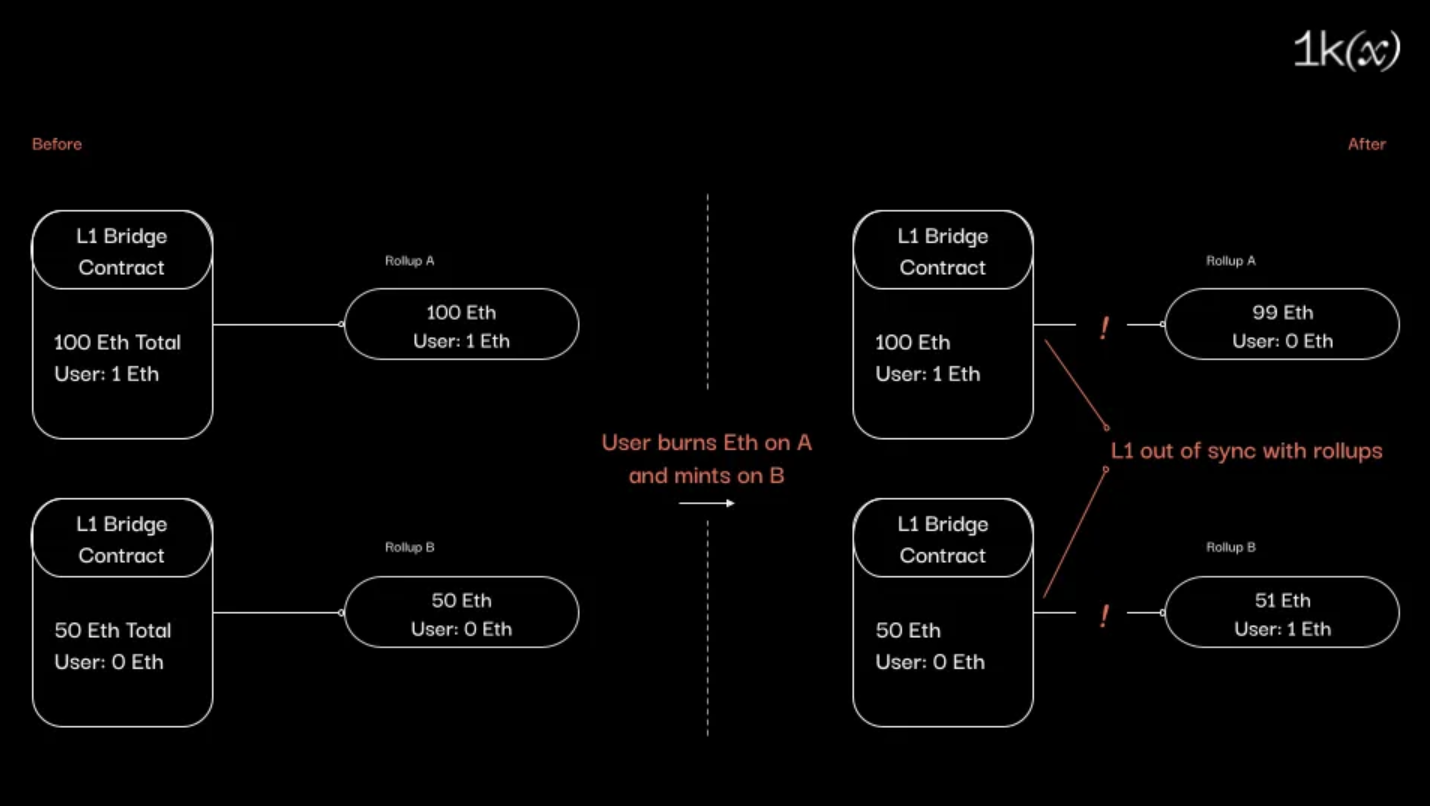
Consider optimistic rollups, where the sequencer publishes state roots and calldata to Ethereum. Without safeguards, a malicious sequencer can censor or reorder, inheriting only partial liveness from the base layer. ZK rollups face similar issues, though proofs add verifiability. Cross-rollup MEV amplifies risks, as arbitrage across chains demands precise timing only a unified sequencer can provide - or disrupt.
Most rollups today, even many leading Ethereum L2s, use centralized sequencers. Though it has its own benefits in terms of efficiency. . .
Operators must quantify these risks. Fundamental analysis reveals that MEV protection sequencers L2 could capture 20-30% of extracted value currently lost to centralization, redirecting it toward network security. Patience in adopting these fundamentals builds long-term viability amid volatility.
Shared Sequencers as the Antidote: Core Mechanisms and Advantages
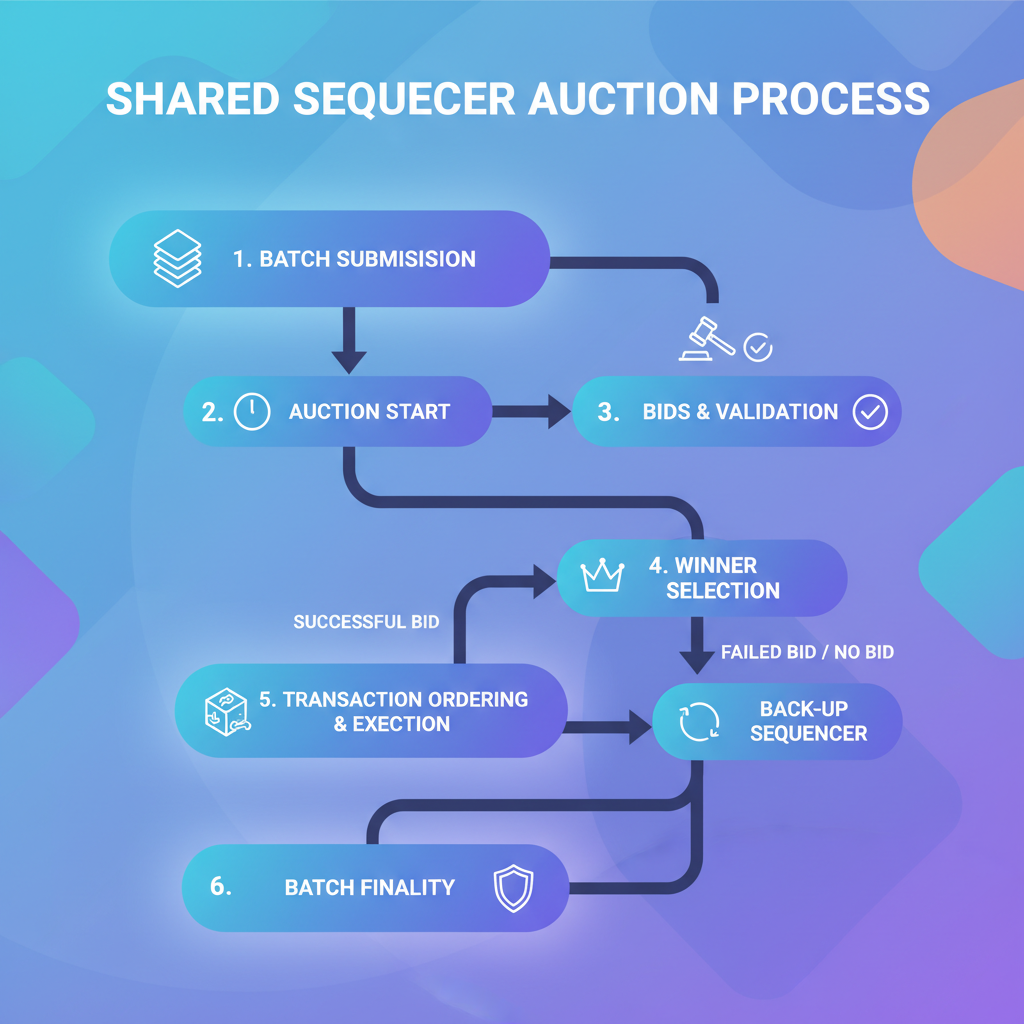
Shared sequencers operate as a communal infrastructure layer, where multiple rollups delegate ordering rights to a decentralized network. This neutral party batches transactions fairly, often using auctions or proof-of-stake for sequencer selection. The result? Mitigated front-running, as no single entity controls the mempool.
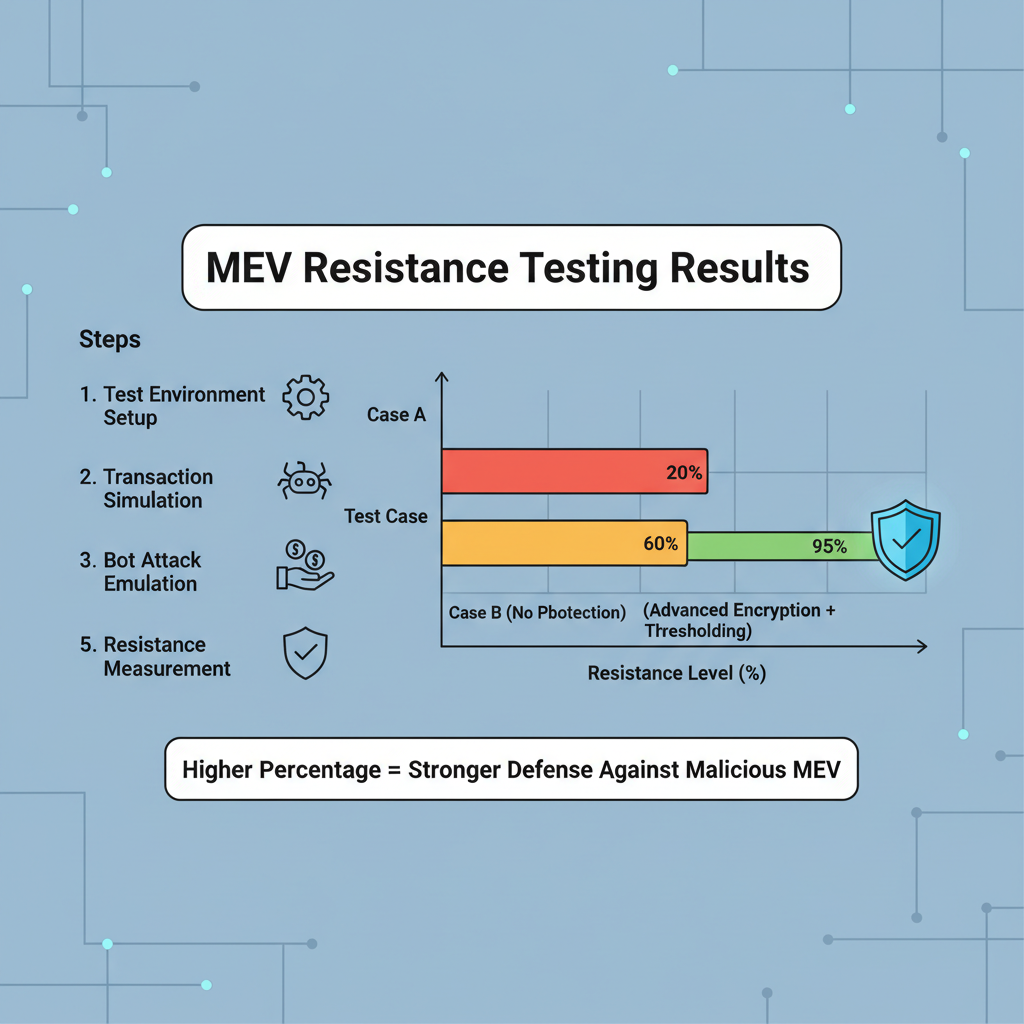
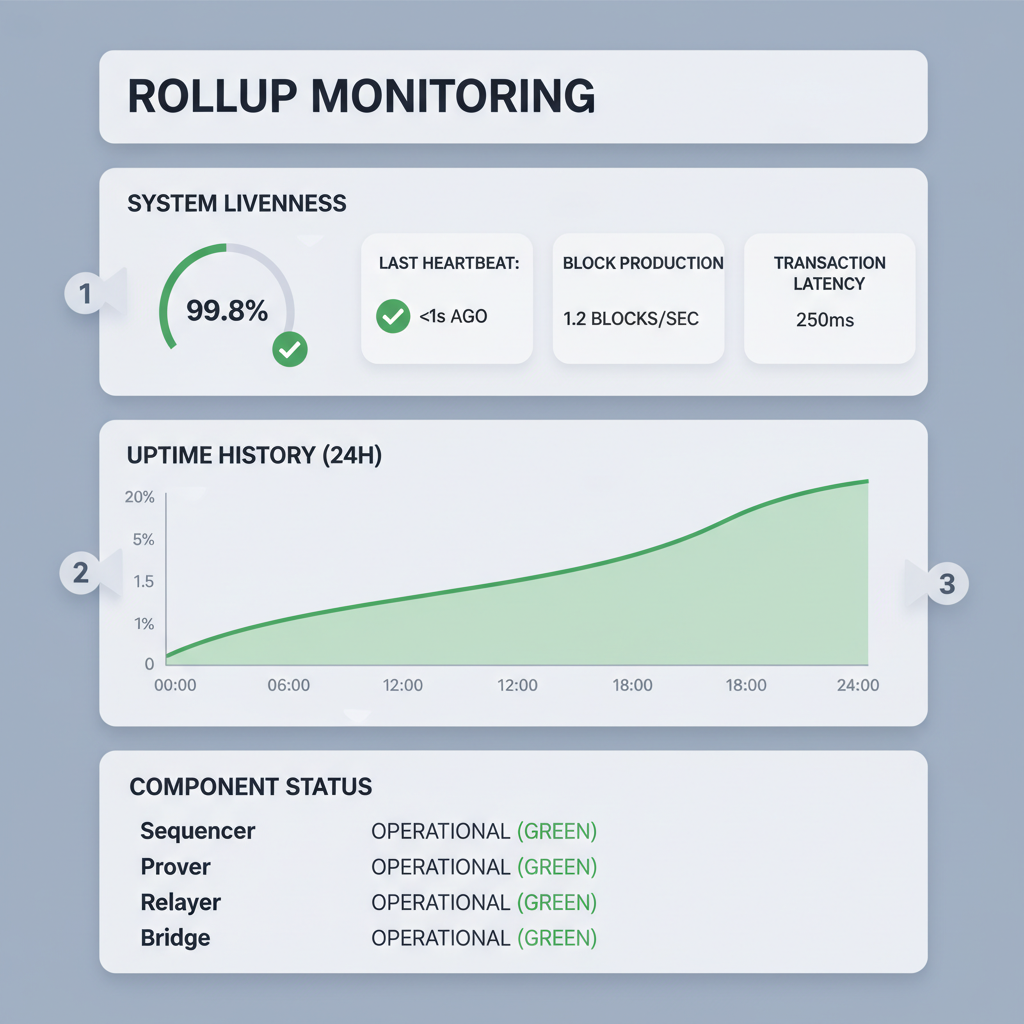
Key to this is censorship resistance. Sequencers must prove liveness, inheriting Ethereum's security while adding rollup-specific attestations. Trusted Execution Environments (TEEs) and zk-proofs enhance security, as proposed in recent research. Radius, for instance, builds a trustless zk-based layer eliminating harmful MEV through atomic cross-rollup execution.
Top Benefits for Rollup Operators
- Enhanced Decentralization: Shared sequencers like Espresso and Astria distribute sequencing across multiple rollups, reducing single-point failures and improving censorship resistance over centralized setups.
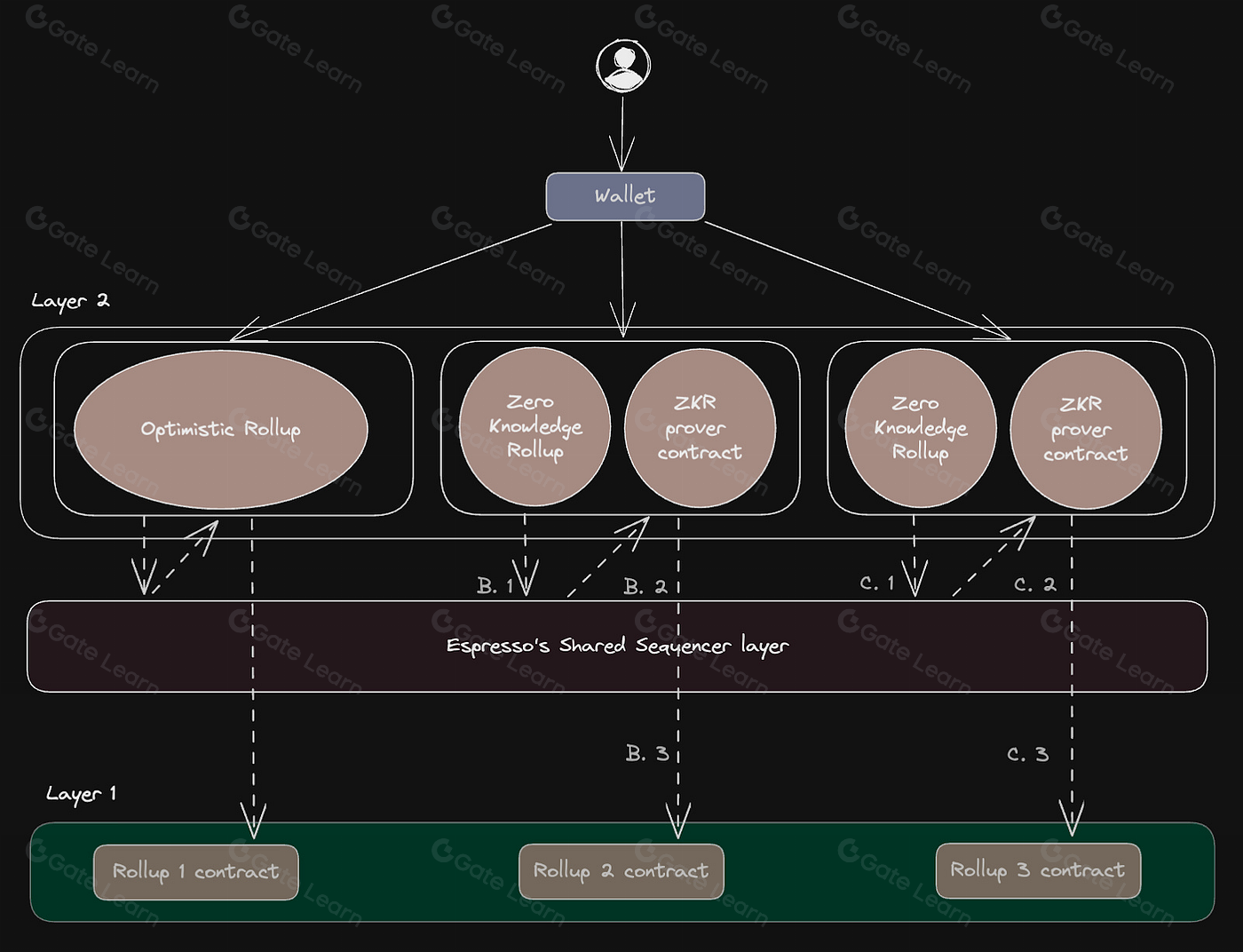
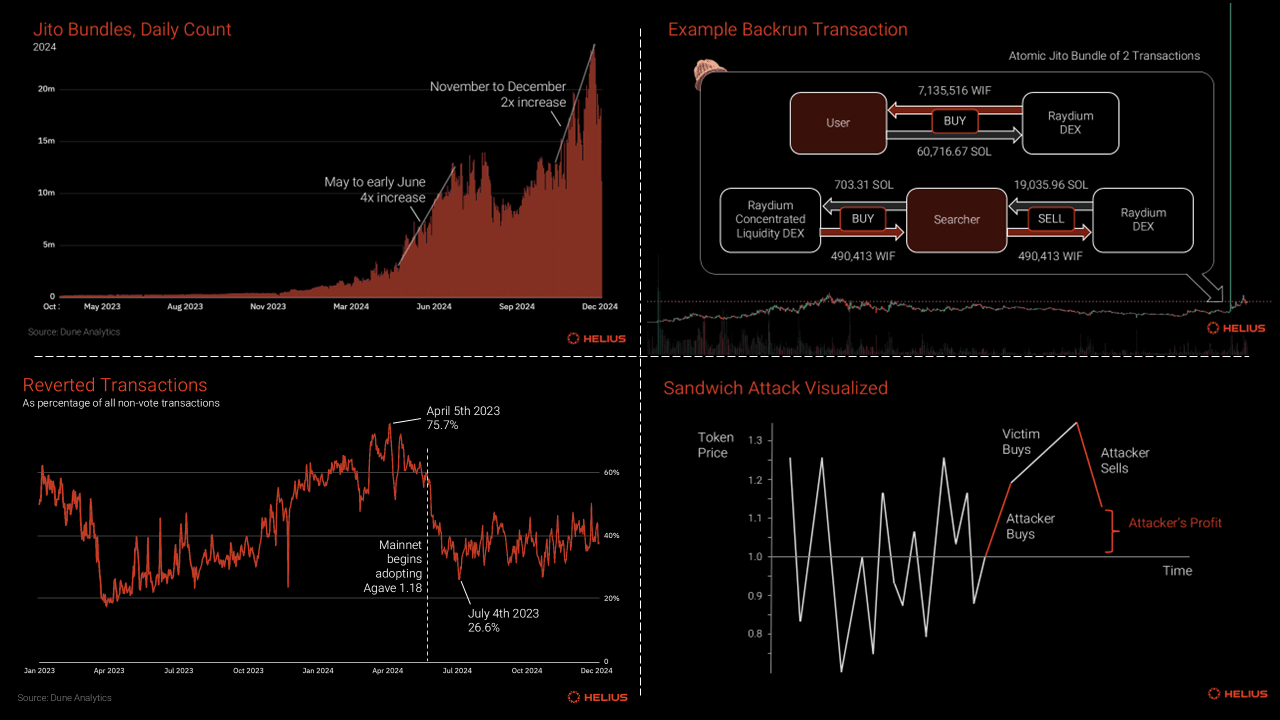
- Reduced MEV Extraction: Neutral ordering layers minimize cross-rollup MEV opportunities, front-running, and manipulation, as seen in Radius's trustless zk-based approach.
- Cost-Efficient Infra Sharing: Operators share sequencing infrastructure, lowering costs compared to maintaining dedicated sequencers for each rollup.
- Improved Interoperability: Enables atomic cross-rollup transactions and seamless interactions, addressing fragmentation in the L2 ecosystem.
- Revenue from Auction Participation: Operators can earn from participating in sequencer auctions, capturing fees and MEV in a fair, decentralized manner.
From a financial perspective, shared infra democratizes access. Operators bid in sequencer marketplaces rollups, optimizing costs via competition. This mirrors traditional markets, where efficiency stems from rivalry. Yet challenges loom: potential MEV centralization in the shared layer and atomicity hurdles across heterogeneous rollups.
Building Your Rollup's Shared Sequencer Integration Toolkit
Transitioning demands a structured approach. Begin with compatibility audits: ensure your rollup's execution engine aligns with shared sequencer protocols. Tools from Zeeve and Cero Network offer anti-MEV suites, including decentralized mempools and fair ordering modules.
Secure Your Rollup: Integrate Shared Sequencers Against MEV
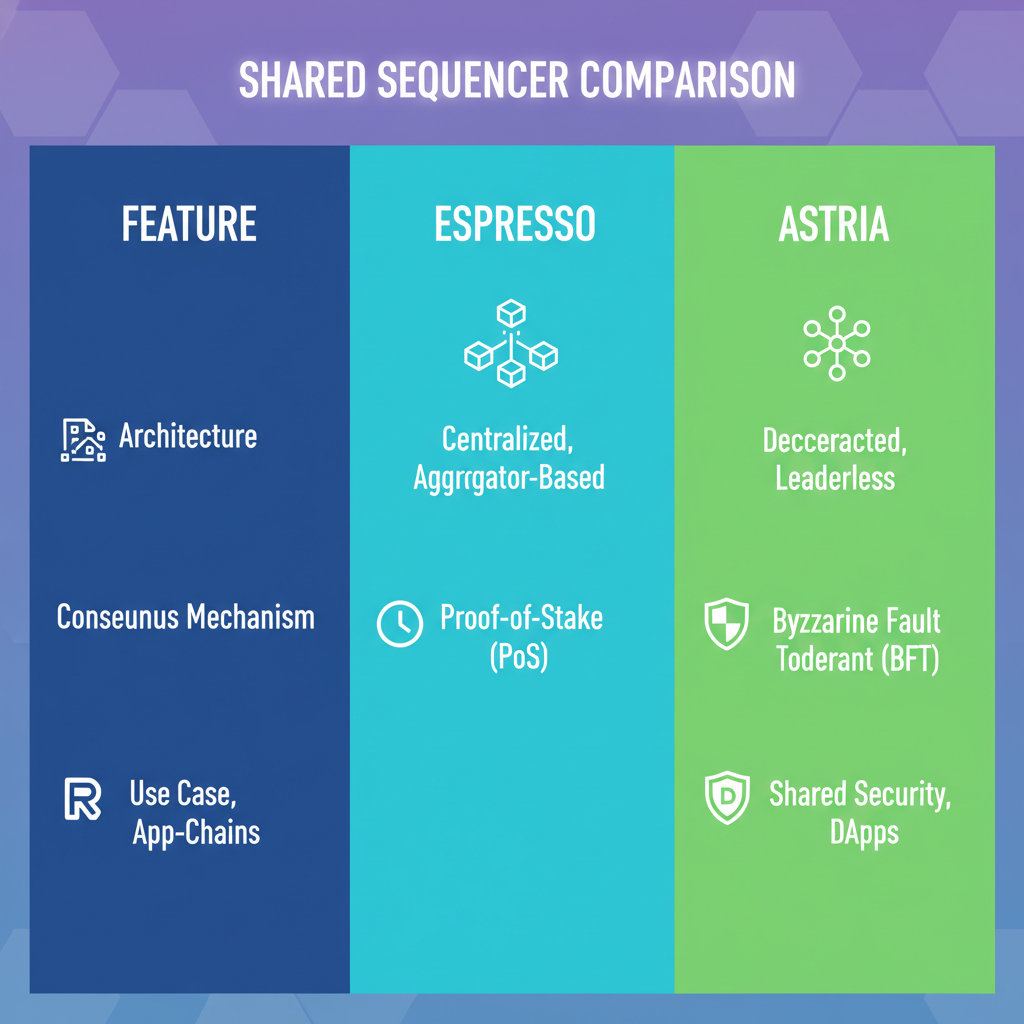
Next, evaluate providers. Espresso emphasizes interoperability, Astria focuses on decentralization, and Ronin's pivot highlights strategic divergence toward shared models. Operators should prioritize those with proven TEE-secured designs and decentralized attestation, balancing efficiency with security.
Financial modeling reveals compelling returns. By participating in sequencer marketplaces rollups, operators can offset integration costs through bidding revenues, potentially yielding 15-25% margins on shared infra. This aligns with conservative strategies: fundamentals like liveness proofs and MEV recapture drive value in volatile markets.
Overcoming Integration Hurdles: Challenges and Proven Mitigations
Adopting rollup operators shared sequencers isn't seamless. Heterogeneous rollup stacks - optimistic versus zk - demand protocol adapters for unified batching. Atomic cross-rollup execution remains elusive, risking settlement delays during high contention. Centralized MEV might merely relocate to the shared layer if auctions favor large stakers.
Yet solutions emerge from ongoing research. TEE-secured sequencers, as detailed in arXiv proposals, use hardware enclaves for tamper-proof ordering, paired with decentralized attestations to verify behavior. Projects like Radius leverage zk-proofs for trustless sharing, eliminating harmful MEV via verifiable randomness in block construction. Operators can mitigate centralization by enforcing stake caps and rotation schedules in sequencer sets.
Real-world pivots validate this path. Ronin's reintegration into Ethereum underscores the fork between siloed sequencers and shared models, favoring the latter for interoperability. Cero Network's decentralized sequencers demonstrate exploit prevention, while Maven 11 highlights liveness inheritance as a baseline strength.
Economic Imperative: Quantifying ROI in Shared Sequencer Adoption
From a portfolio lens, shared sequencers enhance shared infra MEV resistance. Rollups capture more fees by deterring front-runners, with estimates suggesting 10-20% revenue uplift. Auction participation opens new streams: operators bid sequencing rights, much like dark pool operators in traditional finance, arbitraging supply-demand dynamics.
Consider cross-rollup MEV, the persistent thorn. Without shared ordering, arbitrageurs exploit timing gaps, siphoning value. Unified sequencers enable fair sequencing, redirecting extraction toward public goods like faster finality. DWF Labs notes L2s' MEV reliance on centralization; decentralizing it via shared layers builds antifragility.
Operators should stress-test economics. Model scenarios: baseline centralized (high MEV leakage), shared auction (balanced revenue), and hybrid (phased transition). Tools from Zeeve aid simulations, quantifying risks like sequencer downtime at under 0.1% with proper redundancy.
Comparison of Shared Sequencer Providers
| Provider | Key Strength | MEV Mitigation | Maturity |
|---|---|---|---|
| Espresso | Interoperability | Auction-based fairness | Production-ready |
| Astria | Decentralization | ZK liveness proofs | Testnet live |
| Radius | Cross-rollup atomicity | Trustless zk layer | Research prototype |
Deeper integration unlocks synergies. Pair shared sequencers with private mempools for user opt-ins, or flashbots-style bundles for compliant searchers. This Ethereum sequencer integration toolkit evolves from defensive to proactive, positioning operators as ecosystem stewards.
Forward momentum is clear. As Ethereum's L2 constellation expands, fragmented sequencers breed inefficiency; shared models foster cohesion. Rollup operators embracing this shift - auditing rigorously, bidding strategically, monitoring relentlessly - secure not just MEV protection, but enduring competitive edges. Fundamentals endure; in blockchain's churn, those who decentralize deliberately thrive.




No comments yet. Be the first to share your thoughts!