

In the competitive landscape of Ethereum Layer 2 ecosystems, node providers face mounting pressures from escalating operational costs. Running an Optimistic L2 handling 2 million transactions monthly incurs about $4000, while a ZK L2 demands $10500, according to ChainCatcher data. These figures underscore the financial strain of dedicated sequencers, where hardware, bandwidth, and maintenance eat into margins. Shared sequencer infrastructure emerges as a pragmatic antidote, distributing sequencing duties across participants to slash shared sequencer infrastructure costs and bolster decentralization without compromising performance.
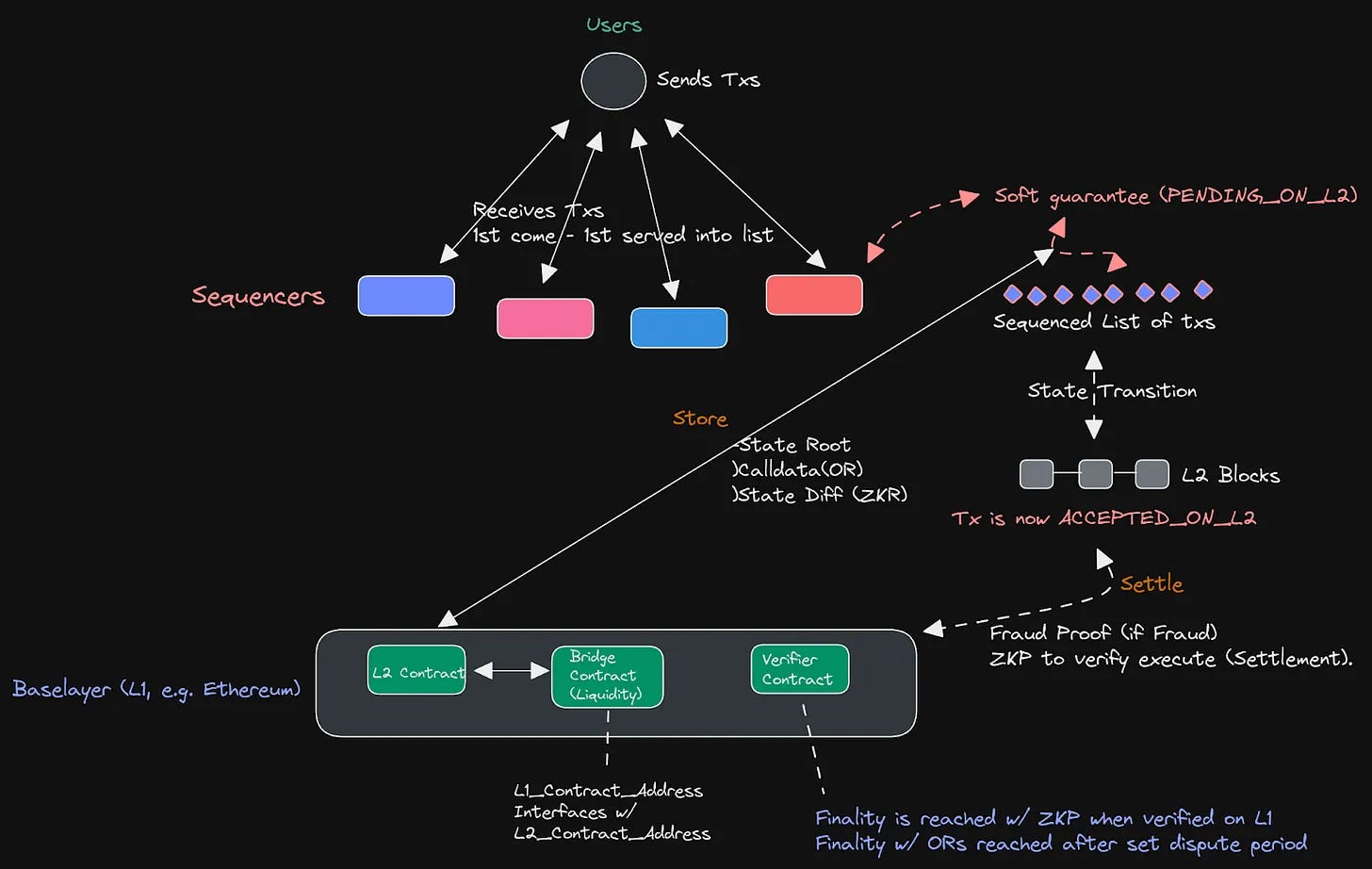
Centralized sequencers, prevalent in many rollups, mask vulnerabilities beneath a veneer of efficiency. ChainScore Labs highlights how admin keys in major L2s breed systemic risks and regulatory exposure, betraying Ethereum's ethos. Node providers, often squeezed by these setups, grapple with pseudo-decentralization that inflates sequencer infra optimization challenges. Shared models flip this script by pooling resources, akin to a shared airport for L2 flights as Decentralised. co analogizes, where operators handle execution but offload sequencing burdens.
Dissecting Dedicated Sequencer Expenses
Delving into fundamentals reveals why dedicated sequencers drain resources. Beyond raw compute, costs encompass staking requirements, redundancy for uptime, and defenses against MEV extraction. L2IV Research notes rollups' promise strained by sequencing bottlenecks, while Gate. com points to Arbitrum's 10% sequencer profit skim on Orbit chains, a model ZK stacks like Polygon CDK echo. For Ethereum L2 node providers, this translates to redundant infrastructure investments yielding diminishing returns in volatile markets.
Key Cost-Saving Benefits
- Reduced Hardware Expenses: Shared sequencers eliminate the need for each rollup operator to maintain dedicated high-performance nodes, distributing responsibilities across participants for major hardware savings.
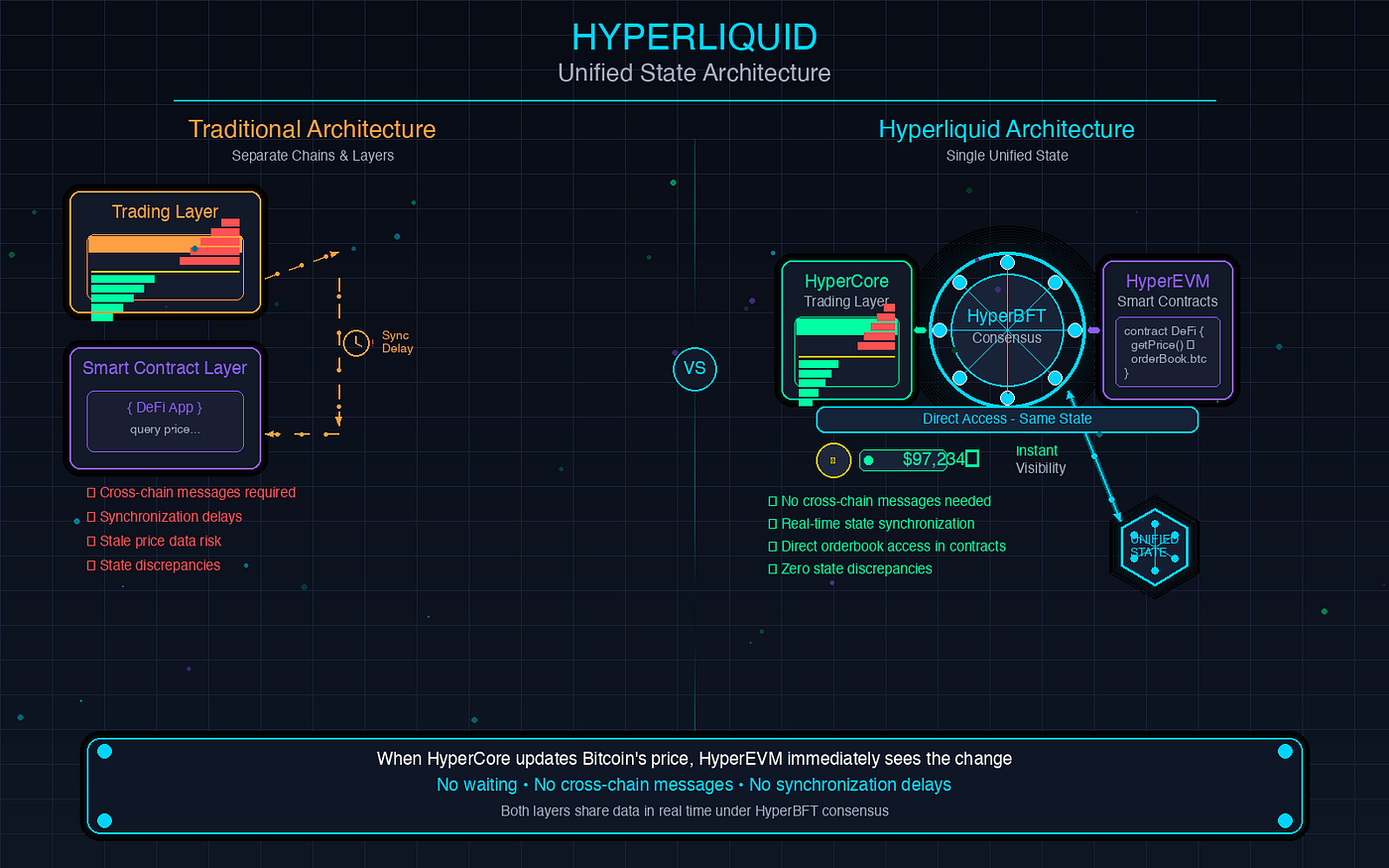
- Lower Operational Costs: Distributes maintenance, electricity, and monitoring overhead, as seen in models like NodeKit on Optimism rollups, making operations more sustainable.

- Efficient L2 Running Costs: Optimistic L2s handle 2M tx/month at ~$4,000; ZK L2s at ~$10,500; shared infrastructure keeps costs low without sacrificing performance (ChainCatcher).
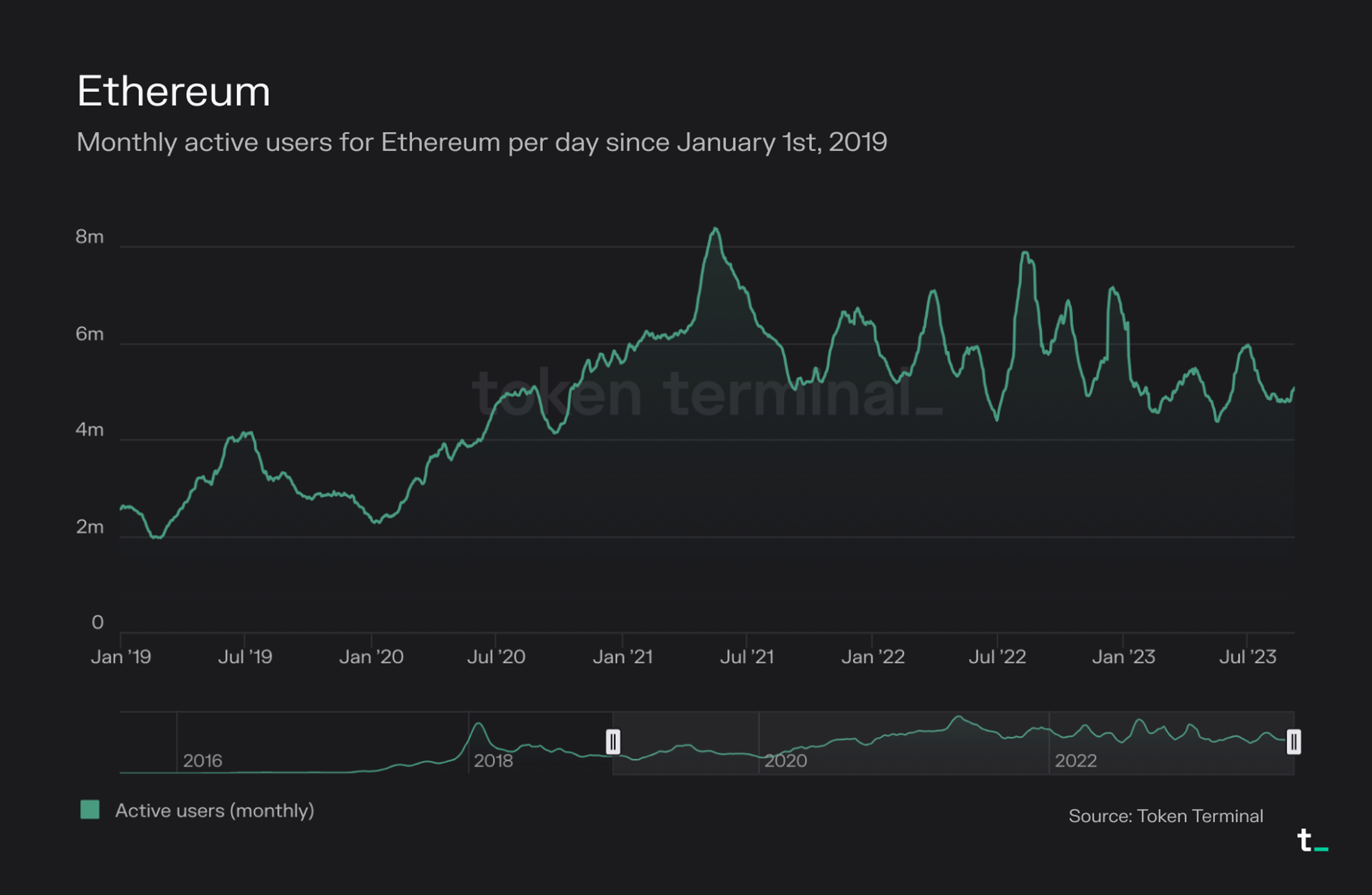
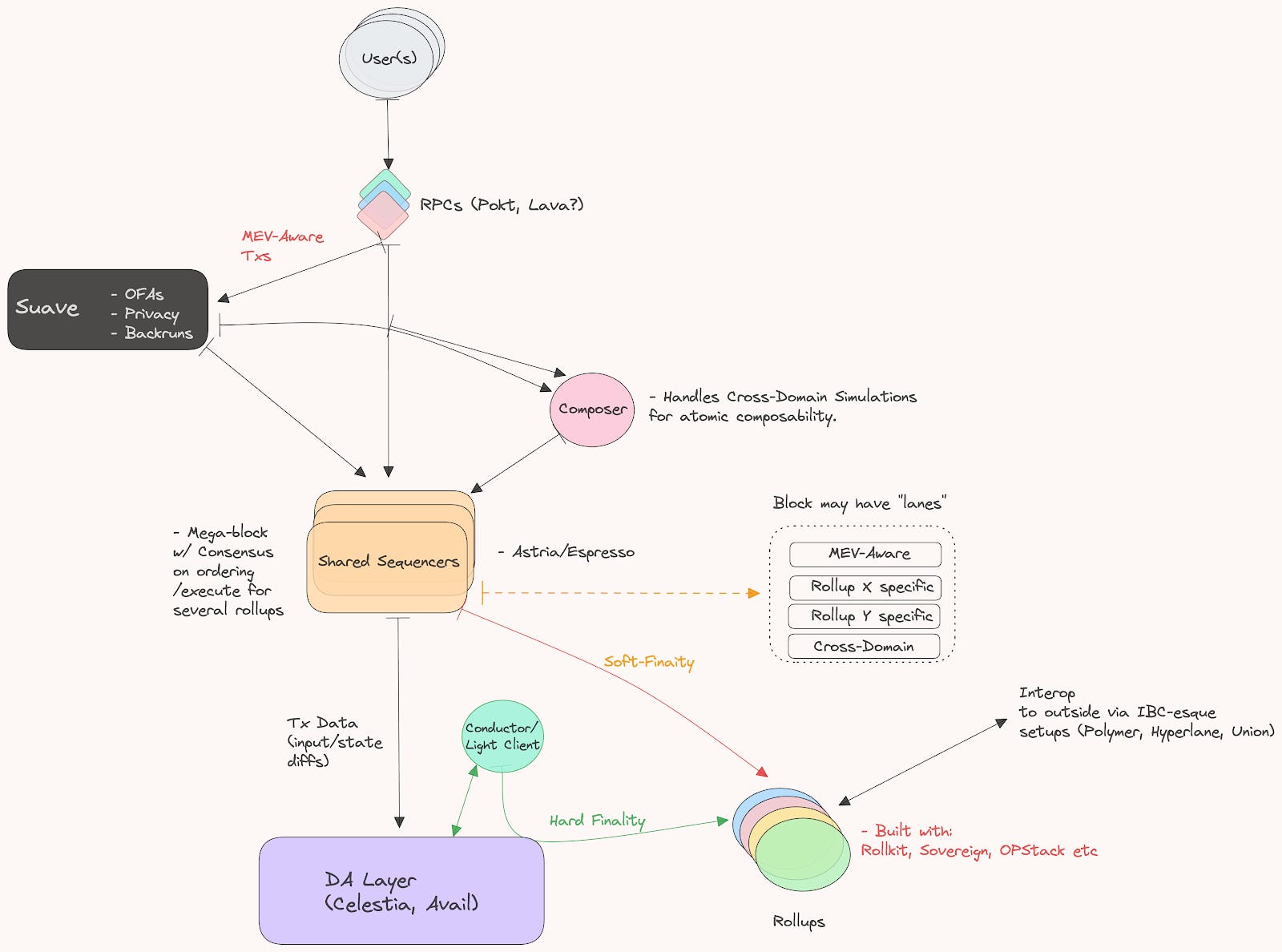
- Decentralization Without Cost Penalty: Projects like Astria using Celestia for commitments achieve better decentralization and cost efficiency in L2 rollups (Zeeve).
- Avoided Hidden Risks & Fees: Sidesteps systemic risks and profit-sharing fees (e.g., Arbitrum's 10% sequencer profit cut) tied to centralized sequencers.
Shared sequencing reframes economics. Zeeve posits it preserves decentralization, security, and performance at lower costs. Maven 11 describes a sequencer set's components; transactions funnel through proposers and builders collaboratively. Node providers bid in auctions or join pools, monetizing idle capacity via models Nexumo outlines: MEV auctions, subscription fees, or profit shares. This optimizes rollup sequencing savings, potentially halving Op L2 bills by amortizing fixed costs across chains.
NodeKit's Proposer-Builder Split Revolutionizes Deployment
NodeKit exemplifies innovation in this space, decoupling proposers from builders to enable cross-chain atomicity. Ethereum L2 node providers deploy on Optimism stacks sans dedicated sequencer overhead, forming decentralized sets modularly. This sidesteps the $4000-$10500 monthly grind, channeling savings into scalability. As a CFA charterholder analyzing rollup economics, I view NodeKit's approach as fundamentally sound; it aligns incentives for long-term viability over short-term centralization gambles.
Astria and Celestia: Cementing Cost Efficiency
Astria leverages Celestia for hard commitments, fortifying L2 rollups against centralization pitfalls. Node providers gain from distributed sequencing, where hardware scales collectively. Rain Infotech echoes Layer 2's speed and fee reductions, amplified here. Galaxy's Cancun/Deneb report forecasts L2-L1 value accrual, but shared infra accelerates it by curbing shared sequencer infrastructure costs. Providers optimize via auctions at sequencermarketplaces. com, bidding on slots with real-time insights.
These advancements signal a maturing market. Fundamentals dictate that node providers prioritizing sequencer infra optimization will thrive amid Ethereum's evolution. Patience pays; shared models build sustainable wealth.
No comments yet. Be the first to share your thoughts!