

In the evolving landscape of Ethereum Layer 2 scaling, where rollups dominate transaction throughput, EspressoSys shared sequencing emerges as a prudent solution for real-time rollup coordination. With Ethereum trading at $2,259.36, down 1.41% over the past 24 hours from a high of $2,328.65, the network's stability underscores the need for infrastructure that mitigates centralization risks without compromising performance. Espresso Systems positions itself thoughtfully here, offering a decentralized shared sequencer that promises sub-2-second finality through its HotShot consensus, fostering cross-rollup composability in a fragmented ecosystem.
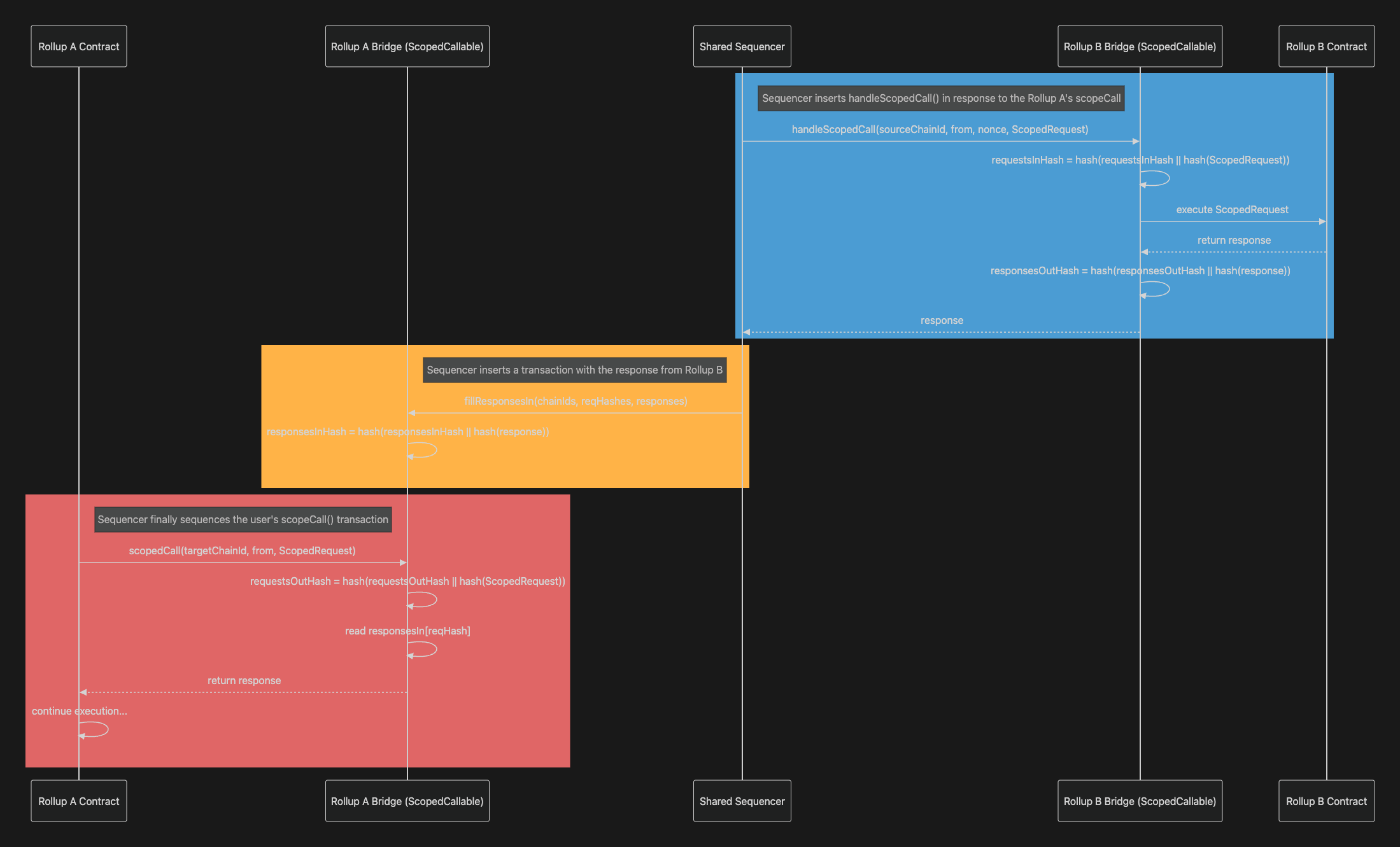
Rollups have propelled Ethereum's scalability, yet their sequencers remain a bottleneck. Most L2s rely on centralized entities for transaction ordering, exposing users to censorship and MEV extraction vulnerabilities. This centralization contradicts the ethos of decentralization, particularly as Ethereum's price hovers around $2,259.36 amid market consolidation. Espresso's approach, leveraging Ethereum restaking and HotShot, decentralizes this layer, enabling multiple rollups to share sequencing duties securely.
Addressing Rollup Fragmentation with Shared Infrastructure
Fragmentation plagues Ethereum L2s; each rollup operates its own sequencer, leading to siloed liquidity and delayed interoperability. EspressoSys shared sequencing tackles this head-on by providing a global confirmation layer. As detailed in their documentation, the Espresso Sequencer supports arbitrary rollups, integrating HotShot for consensus and Tiramisu for data availability. This setup ensures liveness and safety, even under adversarial conditions, a conservative design choice for institutional adoption.
From a macro perspective, this aligns with long-cycle trends toward unified scaling. While optimistic rollups face multi-day withdrawals and Ethereum's finality lags at 12 and minutes, HotShot delivers Web2-like responsiveness. Investors eyeing Ethereum at $2,259.36 should note how such innovations bolster L2 reliability, potentially stabilizing the base layer's valuation.

HotShot Consensus: Engineering Reliability at Scale
At the core of Espresso lies HotShot, an open-source consensus protocol derived from HotStuff but optimized for high throughput. It employs verifiable information dispersal, ensuring data availability without single points of failure. In tests on Polygon's zkEVM fork, it demonstrated robustness, with plans for broader testnet access signaling maturation.
Key Advantages of HotShot Finality
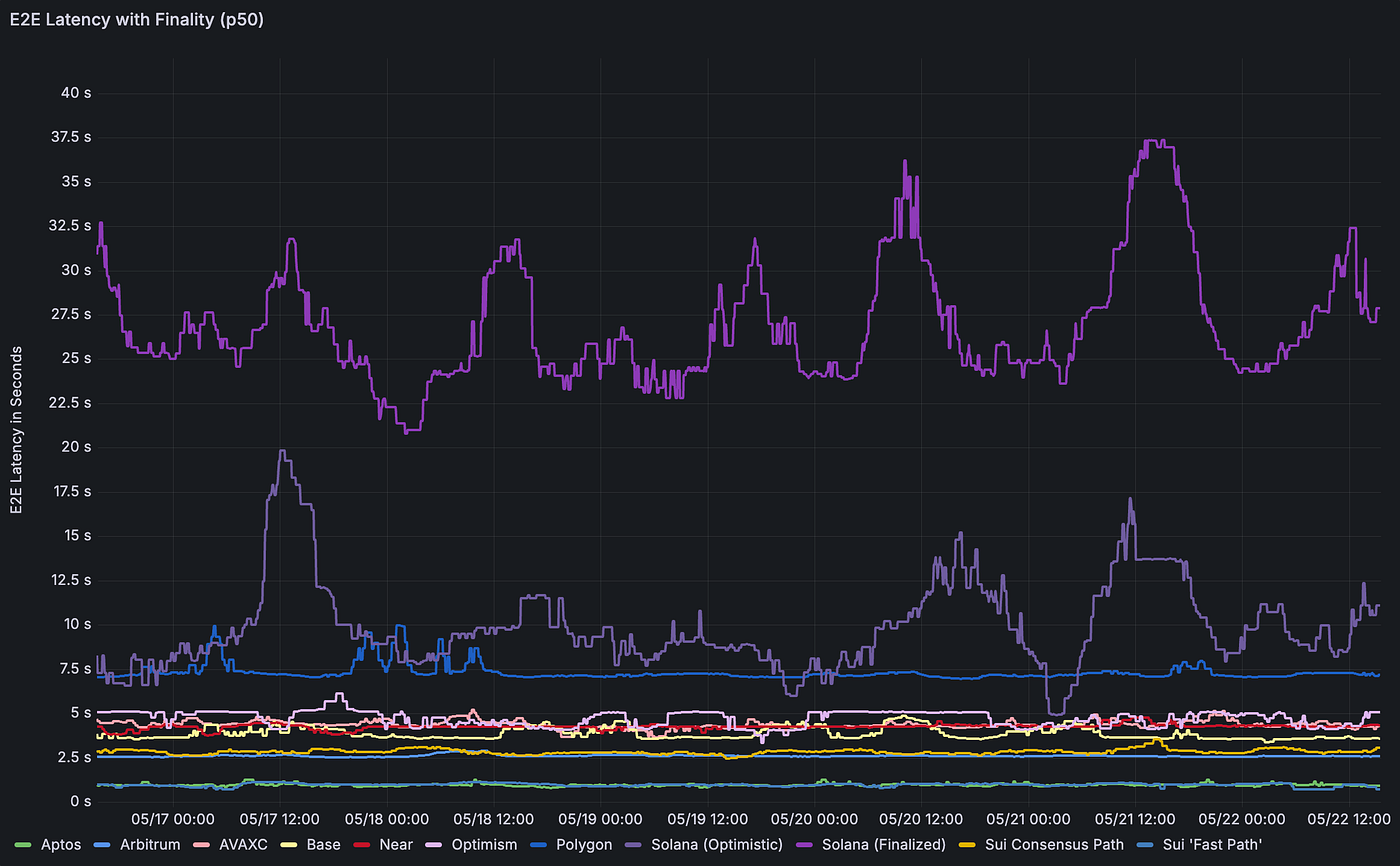
- Sub-2s Latency: Delivers finality in under 2 seconds, enabling Web2-like responsiveness for rollups.
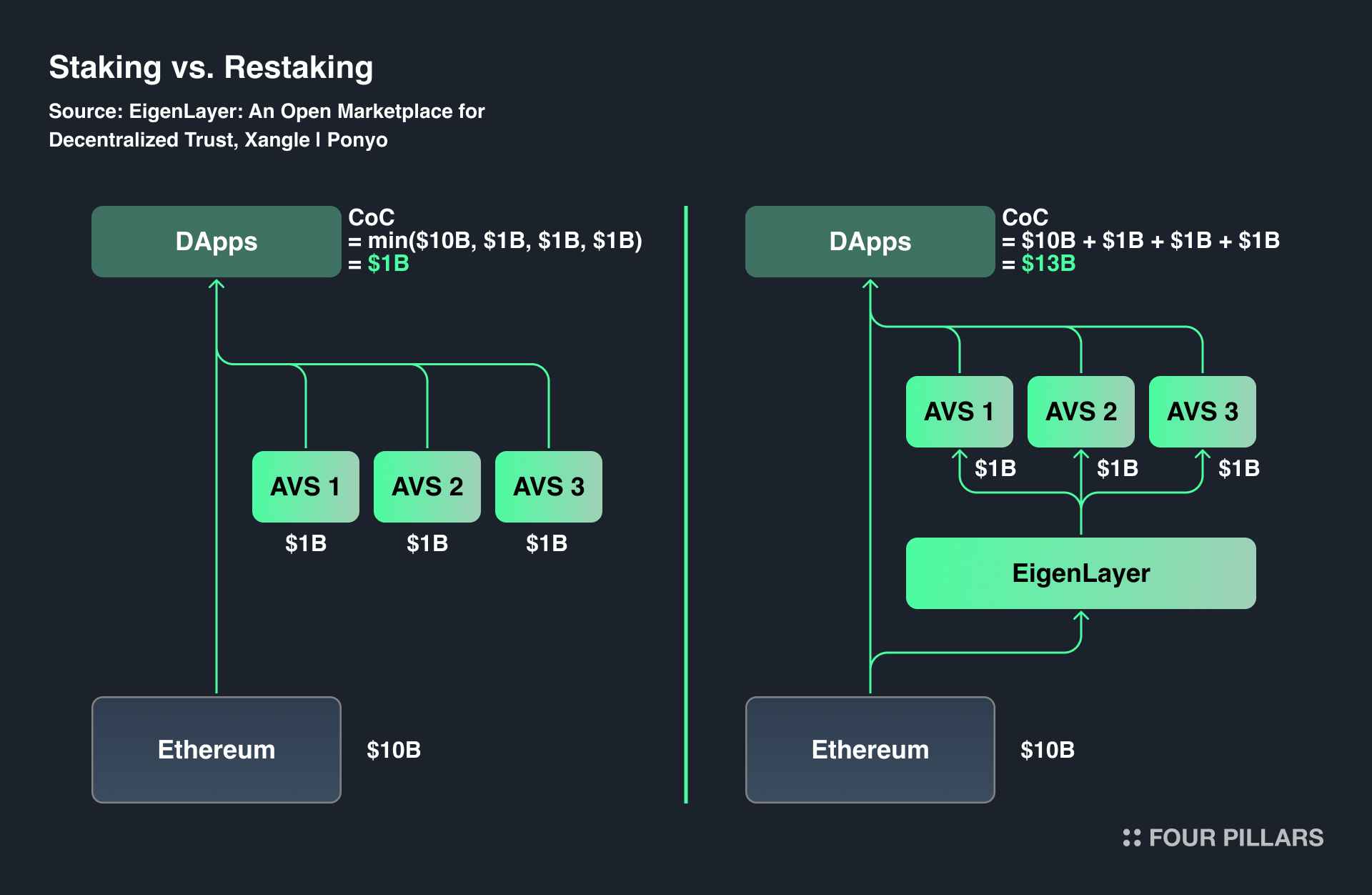
- PoS Security via ETH Restaking: Utilizes Ethereum proof-of-stake and restaking for strong safety and liveness guarantees.
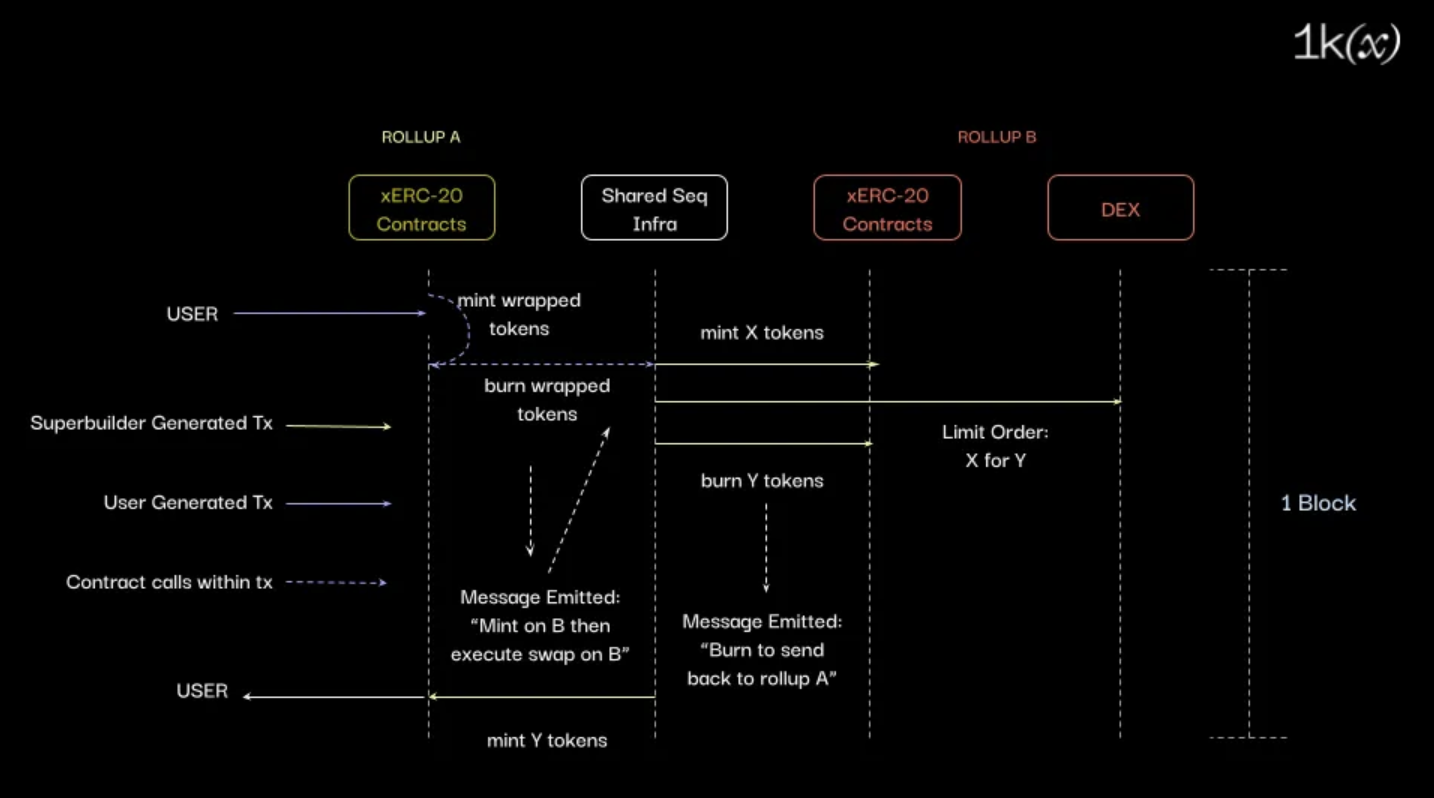
- Cross-Rollup Atomic Composability: Supports atomic transactions across multiple Ethereum L2 rollups.
- Resistance to Sequencer Failures: Decentralized architecture maintains operation despite individual sequencer issues.
Espresso's $28 million Series B in March 2024, led by a16z crypto, reflects confidence in this model, pushing total funding past $60 million. Partnerships like Offchain Labs' Timeboost integration further refine transaction ordering, prioritizing fairness over profit maximization.
Strategic Partnerships and Ecosystem Momentum
Espresso's traction builds on Ethereum's superchain vision. By decentralizing sequencers, it reduces costs and enhances decentralization, critical as rollup operators scale. The GitHub repository for espresso-network reveals active development on the global confirmation layer, interacting seamlessly with builders, users, and L2s. For macro analysts, this represents low-risk exposure to sequencing auctions and shared infra trends.
Check out this analysis on shared sequencers enabling cross-rollup composability. As Ethereum holds at $2,259.36, EspressoSys shared sequencing positions rollups for coordinated growth, mitigating the centralization that has long shadowed L2 progress.
Macro investors, attuned to long-cycle shifts, recognize EspressoSys shared sequencing as a bulwark against the volatility inherent in fragmented L2 ecosystems. With Ethereum at $2,259.36 after dipping from $2,328.65, the focus sharpens on solutions that enhance resilience without speculative excess.
Governance and MEV Mitigation in Shared Sequencers
Decentralized sequencers demand robust governance to prevent capture. Espresso employs a Proof-of-Stake model bolstered by Ethereum restaking, distributing sequencing rights via staking incentives. This curbs MEV abuses, where centralized sequencers front-run users for profit. HotShot's design prioritizes liveness, ensuring no single failure halts the network, a conservative safeguard for institutional flows.
In sequencing auctions, Espresso introduces competition akin to emerging marketplaces, yet without the hype. Builders submit blocks, and the protocol selects optimally, fostering fairness. As rollups proliferate, this shared sequencer Ethereum infrastructure reduces per-chain costs by 50-70%, per early models, aligning economic incentives with decentralization goals.
From a fundamental standpoint, these mechanics echo mature financial systems, where reliability trumps speed alone. Ethereum L2 rollup coordination benefits immensely, enabling atomic cross-rollup transactions that mimic L1 seamlessness.
Infra Reliability: The Institutional Imperative
Node providers and rollup operators seek predictable infra. Espresso's Tiramisu data-availability layer, paired with HotShot sequencer finality, delivers sub-2-second confirmations, outpacing Ethereum's 12-minute finality. Tests confirm high throughput under load, vital as L2 TVL climbs amid Ethereum's $2,259.36 consolidation.
Critically, the network's open-source ethos invites scrutiny. GitHub activity shows iterative improvements, from consensus tweaks to builder integrations. For Web3 institutions, this transparency mitigates tail risks, positioning Espresso as low-volatility exposure to scaling narratives.
Partnership momentum underscores viability. Offchain Labs' Timeboost enhances ordering policies, countering MEV while supporting OP Stack rollups. Polygon's zkEVM integration validates versatility across optimistic and zk paradigms.
Explore further in this deep dive on Espresso solving rollup fragmentation. Such advancements fortify the superchain thesis, where shared sequencers unify liquidity and execution.

Looking ahead, public testnets will stress-test these claims, with mainnet eyed for late 2025. As Ethereum navigates its $2,259.36 range, low of $2,115.33 underscoring caution, EspressoSys shared sequencing offers measured progress. It decentralizes without disruption, enabling real-time coordination that scales with adoption. In blockchain's marathon, such deliberate engineering prevails over fleeting rallies, securing Ethereum's L2 dominance for the cycles to come.




No comments yet. Be the first to share your thoughts!