
5 AI-Powered Sequencer Marketplaces for 2026: Where to Buy & Sell Digital Audio Loops
Navigating the 2026 landscape of AI-powered sequencer marketplaces requires distinguishing between platforms that offer genuine royalty clarity and those with ambiguous licensing terms. This roundup evaluates five specific marketplaces based on their ability to facilitate the secure buying and selling of digital audio loops, prioritizing vendors with verifiable compliance frameworks and transparent royalty structures.
Pick the right fit
Choosing a marketplace means balancing three competing priorities: licensing clarity, AI safety, and creator support. A platform can look impressive in a demo but fail when you need to clear rights for a commercial release. Use this framework to filter options quickly.
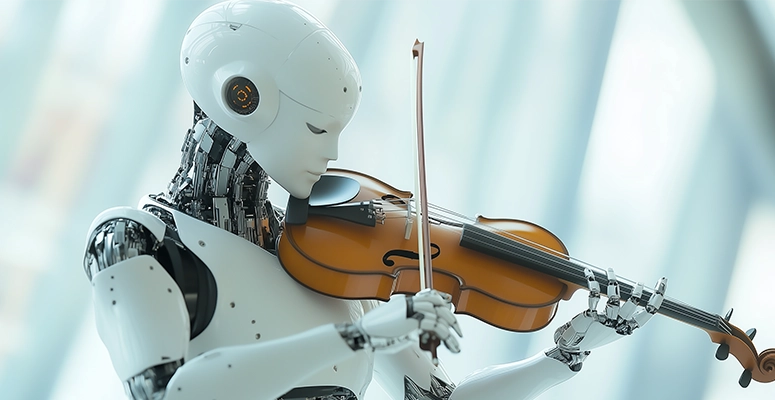
Most marketplaces claim to sell "royalty-free" loops, but the fine print often restricts commercial use or requires attribution. Check if the license covers sync rights for video, film, or advertising. If the terms are vague, assume the loop is not safe for commercial projects.
Not all AI music is created equally. Some platforms train their models on copyrighted datasets, which creates legal risk for buyers. Look for marketplaces that explicitly state their training data is licensed or original. Avoid platforms that do not disclose their AI methodology.
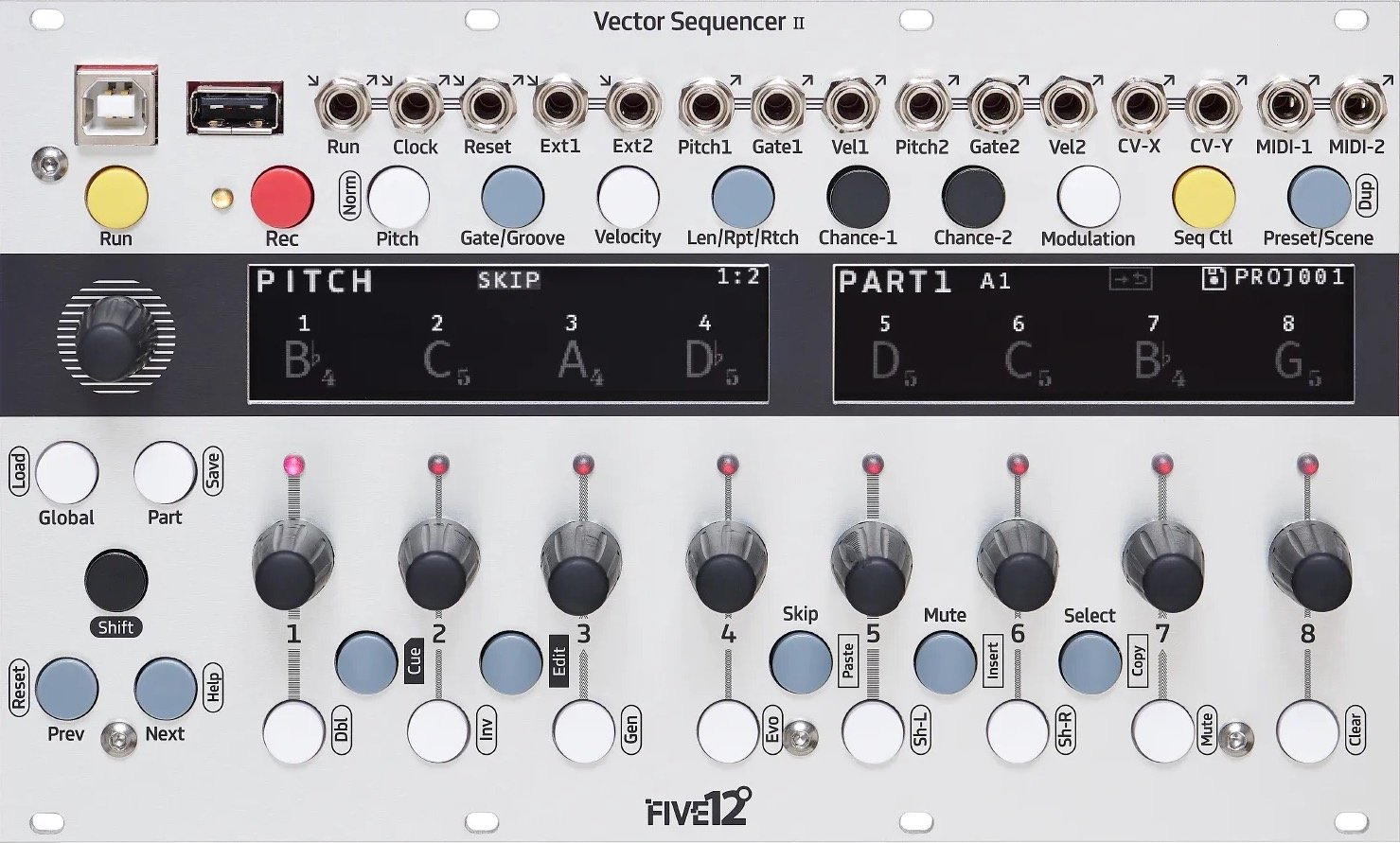
Healthy marketplaces pay creators fairly, which ensures a steady supply of high-quality loops. Check the revenue split; platforms that take a 50% or higher cut often struggle to retain top producers. Better support means better curation and more reliable customer service when disputes arise.
A robust marketplace must support standard DAW formats (WAV, MP3, MIDI, and stems). Verify if the platform offers advanced search filters for key, BPM, and mood, which are essential for quick integration into your workflow. Platforms lacking stem exports limit your ability to remix or isolate instruments, reducing the long-term value of your purchases.
Active communities drive marketplace quality. Look for platforms with regular content updates, user reviews, and active forums. A stagnant library suggests a dying platform, while high engagement indicates a healthy ecosystem where creators are motivated to produce fresh, high-fidelity AI-generated content.
| Feature | Priority | Why it matters |
|---|---|---|
| Commercial License | High | Protects you from copyright strikes in video or ads. |
| AI Training Disclosure | High | Ensures loops are legally clean and safe to distribute. |
| Creator Revenue Share | Medium | Indicates platform health and quality of future uploads. |

As an Amazon Associate, we may earn from qualifying purchases.
FAQ: AI Music Generators and Marketplaces
Is AI-generated music legal?
Copyright law currently treats AI-generated works differently depending on jurisdiction. In the United States, the Copyright Office has stated that works created entirely by AI without human authorship cannot be copyrighted [src-serp-1]. However, if you significantly edit, arrange, or curate the AI output, you may claim copyright over the human-authored elements. Always check the specific Terms of Service of the platform you use, as some grant full commercial rights while others retain ownership for the AI provider.
What are the top 5 AI music generators?
The current market leaders include Suno, Udio, Google’s Gemini (Lyria 3), Nafy AI, and MusicGPT. Suno and Udio are widely recognized for their high-fidelity vocal generation and full-song structures. Gemini’s Lyria 3 stands out for integrating text and image prompts into high-quality tracks. Nafy AI and MusicGPT offer strong alternatives for royalty-free beats and instrumentals, often catering to creators who need straightforward commercial licensing.
What are the top 10 AI-generated songs?
There is no official chart for AI-generated songs, as most platforms do not release public leaderboards of specific tracks. Popularity is typically measured by viral trends on social media or user-generated content on platforms like TikTok. Instead of tracking specific songs, creators often look for the most capable generators (like those listed above) to produce original content. The "top" songs are usually those that have gained traction through human curation and sharing, rather than algorithmic ranking.
Who is the most famous AI singer?
The most prominent AI singer is currently Hatsune Miku, a Vocaloid virtual singer who has performed at major concerts worldwide. In the context of generative AI, artists like "Grimes" or "Drake" have been subjects of viral AI covers, but these are often fan-made or unauthorized. For commercial use, there is no single "famous" AI singer; instead, platforms like Suno and Udio allow users to create unique, royalty-free vocalists tailored to specific genres and styles.
No comments yet. Be the first to share your thoughts!