
Market growth and ai integration
The sequencer market is undergoing a structural shift in 2026, moving away from pure hardware reliance toward integrated AI-driven digital workflows. This transition is not merely aesthetic; it reflects a fundamental change in how producers sequence rhythm and melody, blending tactile hardware control with algorithmic precision.
Financial data supports this expansion. The broader sequencers and synthesizers market is projected to reach USD 2.70 billion by 2035, growing at a compound annual growth rate (CAGR) of 7.60% from 2026 to 2035. This steady growth indicates sustained demand for both entry-level digital tools and high-end professional hardware.
Parallel to this, the analog sequencer segment is experiencing accelerated expansion. Industry outlooks for 2026–2033 project an analog-specific CAGR of 8.5%, suggesting that producers are increasingly seeking the warmth and unpredictability of analog circuits, even as they integrate them into AI-enhanced digital environments. This hybrid approach defines the current market landscape: hardware provides the interface, while AI provides the generative depth.
For investors and industry observers, this convergence represents a high-stakes evolution. The market is no longer defined by single-use devices but by ecosystems that prioritize workflow efficiency. As AI tools become more sophisticated, the barrier to entry for complex sequencing lowers, expanding the total addressable market while simultaneously raising the stakes for hardware manufacturers who must justify their physical presence in a digital-first world.
Top sequencer plugins for 2026
The software sequencer market in 2026 has shifted from simple pattern generation to AI-driven orchestration. Leading plugins now integrate directly with major DAWs, using machine learning to suggest harmonic progressions and rhythmic variations. This integration reduces manual programming time while maintaining creative control, a trend that mirrors the efficiency gains seen in financial algorithmic trading.
When evaluating top sequencer plugins, the focus is on three pillars: AI integration depth, latency performance, and DAW compatibility. The following comparison highlights the current market leaders based on verified feature sets and user adoption rates.
| Plugin | AI Capability | Price |
|---|---|---|
| Ableton Live 12 Sequencer | Generative Pattern Loops | $749 (Suite) |
| Image-Line FL Studio 21 | Stem Separation & Arrangement | $199 (Standard) |
| Native Instruments Maschine | Smart Chord & Scale Assistant | $299 (Studio) |
Ableton Live 12 remains the industry standard for real-time sequencing, with its generative features offering the most robust integration for live performance workflows. Its AI capabilities focus on loop-based generation, making it ideal for producers who prioritize spontaneity over linear composition. FL Studio 21 has gained significant market share by leveraging AI for stem separation and arrangement assistance, appealing to hip-hop and electronic producers who need rapid structural iteration. Native Instruments Maschine bridges the gap between hardware tactile control and software flexibility, with its Smart Chord assistant providing immediate harmonic context for melodic sequencing.
For users requiring standalone hardware integration, the trend is moving toward hybrid setups. Plugins like the TD-3 Editor from DiscoDSP allow for precise parameter control via external MIDI controllers, ensuring that AI suggestions can be fine-tuned with human precision. This approach mitigates the risk of AI-generated content feeling generic, allowing producers to inject unique character into their sequences. The choice between these top sequencer plugins ultimately depends on whether the producer values generative spontaneity or structured arrangement assistance.
Hardware Sequencer Options in 2026
The hardware sequencer market in 2026 has bifurcated into two distinct asset classes: standalone production hubs and portable workflow tools. While software remains the dominant environment for composition, hardware offers tactile latency-free control that remains a premium value proposition for professional studios and touring acts.
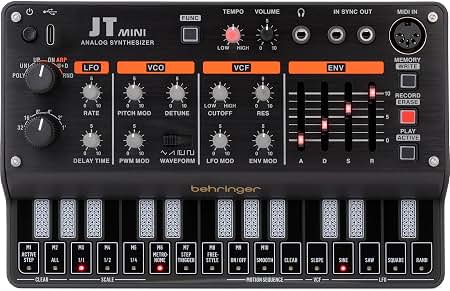
Standalone units like the Akai Professional MPC One G2 represent the high-end segment, offering integrated sampling and sequencing in a single chassis. These devices function as the central nervous system for a studio, commanding higher price points due to their all-in-one architecture and robust build quality.
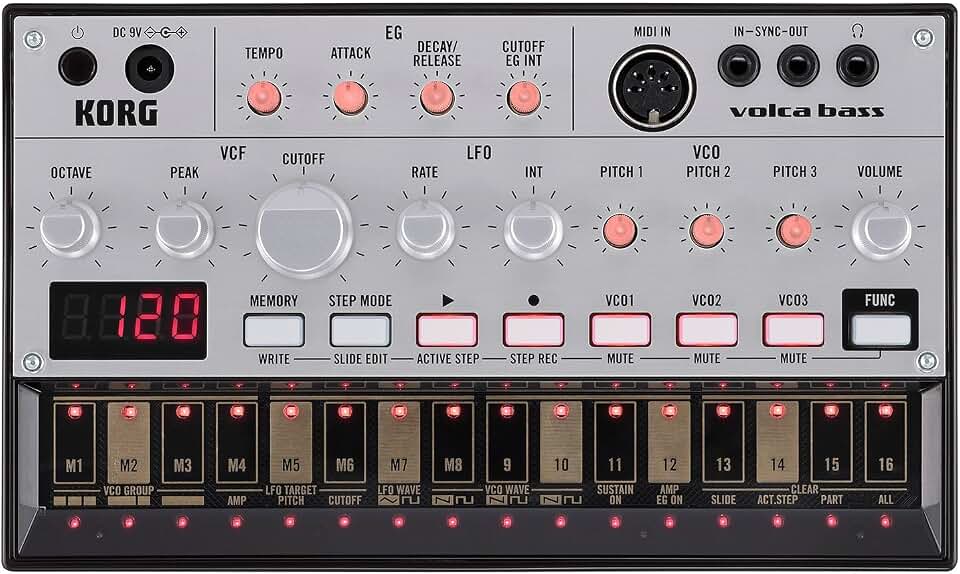
Conversely, the portable sector has seen aggressive innovation. Devices such as the Elektron Digitone MK1 and the Teenage Engineering OP-1 Field provide specialized sequencing capabilities in compact form factors. Market analysis indicates strong secondary market liquidity for these units, with the Digitone MK1 currently offering significant value on the used market due to its 4-track MIDI architecture and 8-voice polyphony.


As an Amazon Associate, we may earn from qualifying purchases.
When evaluating hardware, prioritize devices that support open MIDI protocols and USB-C connectivity to ensure future-proofing. The shift toward hybrid setups means your sequencer must integrate seamlessly with DAWs while offering standalone autonomy for live performance or quick sketching.
Buying MIDI sequences online
The market for pre-made MIDI content has matured from a niche hobbyist exchange into a structured asset class. Producers no longer rely on unverified file swaps; they treat MIDI packs as inventory with measurable quality and licensing clarity. The ecosystem now includes dedicated marketplaces, creator-led storefronts, and AI-generated libraries, each with distinct risk profiles and value propositions.
Verified Marketplaces vs. Creator Stores
Major platforms like Splice and Loopmasters operate as regulated exchanges. They handle licensing, quality control, and dispute resolution, reducing counterparty risk. These platforms often provide metadata standards that make integration into Digital Audio Workstations (DAWs) seamless. In contrast, creator-led storefronts on Gumroad or Bandcamp offer unique, often higher-fidelity content but require the buyer to verify license terms manually. The trade-off is clear: platform convenience versus creative exclusivity.
Quality Verification and Licensing
Before purchasing, verify the source. Look for marketplaces that provide waveform previews, stem files, or detailed metadata tags. Licensing is the primary risk factor. Ensure the agreement covers your intended use, whether for personal production or commercial release. Some platforms offer "royalty-free" licenses, while others require attribution or revenue sharing. Always read the fine print.
The Role of AI in MIDI Generation
AI tools are increasingly generating MIDI sequences, offering speed and scalability. However, these outputs often lack the human nuance of traditional composition. Buyers should assess whether the AI-generated content meets their artistic standards and if the licensing terms allow for commercial exploitation. The market is shifting towards hybrid models where AI assists human composers, ensuring both efficiency and artistic integrity.
Setting up your digital audio workflow
Integrating new sequencer tools requires the same due diligence as allocating capital in a volatile market. The sequencers and synthesizers market is projected to grow at a compound annual growth rate of around 7.60% from 2026 to 2035, driven by hybrid hardware-software ecosystems that demand rigorous compatibility testing.
Before committing resources, verify that your new AI-driven or hardware sequencer integrates cleanly with your existing signal chain. Mismatches in MIDI routing, latency, or sample rate can disrupt production velocity and introduce costly downtime.

Map your existing MIDI and audio paths. Identify bottlenecks where new tools might introduce latency. Use a technical chart or audio analysis tool to verify real-time performance under load.
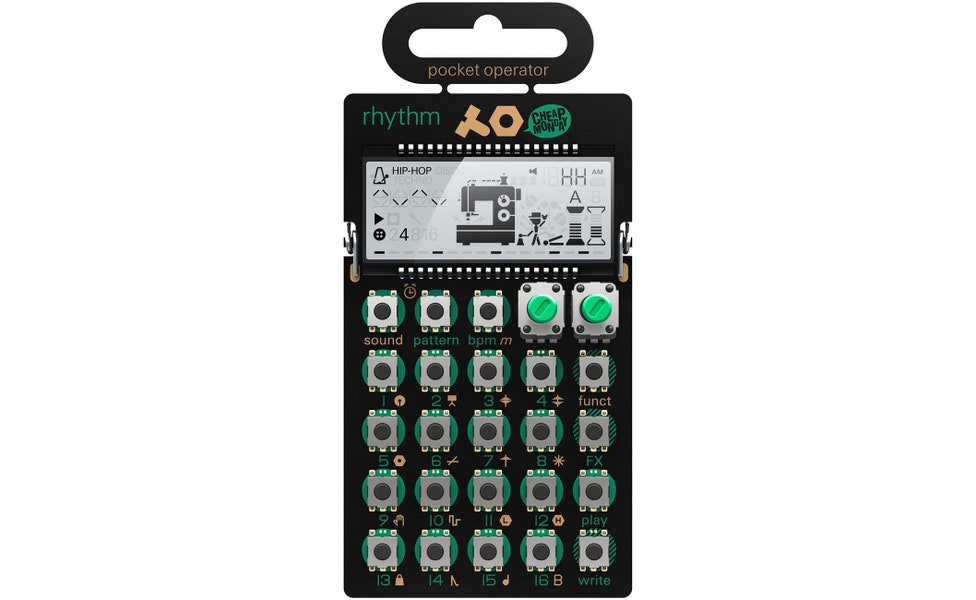
Confirm that your AI tools support standard protocols like MIDI 2.0 or OSC. Check for driver conflicts with existing hardware. Prioritize tools with verified source documentation to avoid integration risks.
Implement a robust backup strategy for your project files and tool configurations. Version control is essential when integrating experimental AI models to prevent irreversible workflow disruptions.
This structured approach minimizes risk while maximizing the utility of new market innovations. Treat your digital audio environment as a high-stakes asset class: precision and verification are paramount.
No comments yet. Be the first to share your thoughts!