Why the sequencer market changed in 2026
The landscape of music production shifted noticeably in 2026. While Digital Audio Workstations (DAWs) remain the central hub for mixing and editing, the creative spark—the initial sequencing of melodies and rhythms—has moved toward dedicated ecosystems. This shift is driven by the integration of artificial intelligence, which has transformed sequencers from simple step-controllers into active collaborators that generate patterns and suggest variations in real time.
This change matters because it redefines how you choose a platform. A standalone sequencer no longer needs to compete with a DAW on mixing capabilities; it only needs to excel at inspiration and pattern generation. The best marketplaces in 2026 are those that offer plugins and hardware specifically designed to feed these AI-driven workflows, offering features like smart quantization, generative modulation, and seamless MIDI integration that traditional DAWs struggle to match natively.
For producers, this means the decision is no longer just about which DAW to buy. It is about which sequencer ecosystem—whether hardware like the Elektron Digitakt II or software plugins like those found on Equipboard—best complements your AI-assisted production style. The market has fragmented into specialized tools that do one thing exceptionally well: getting the first ideas down before they fade.
Top hardware sequencer marketplaces
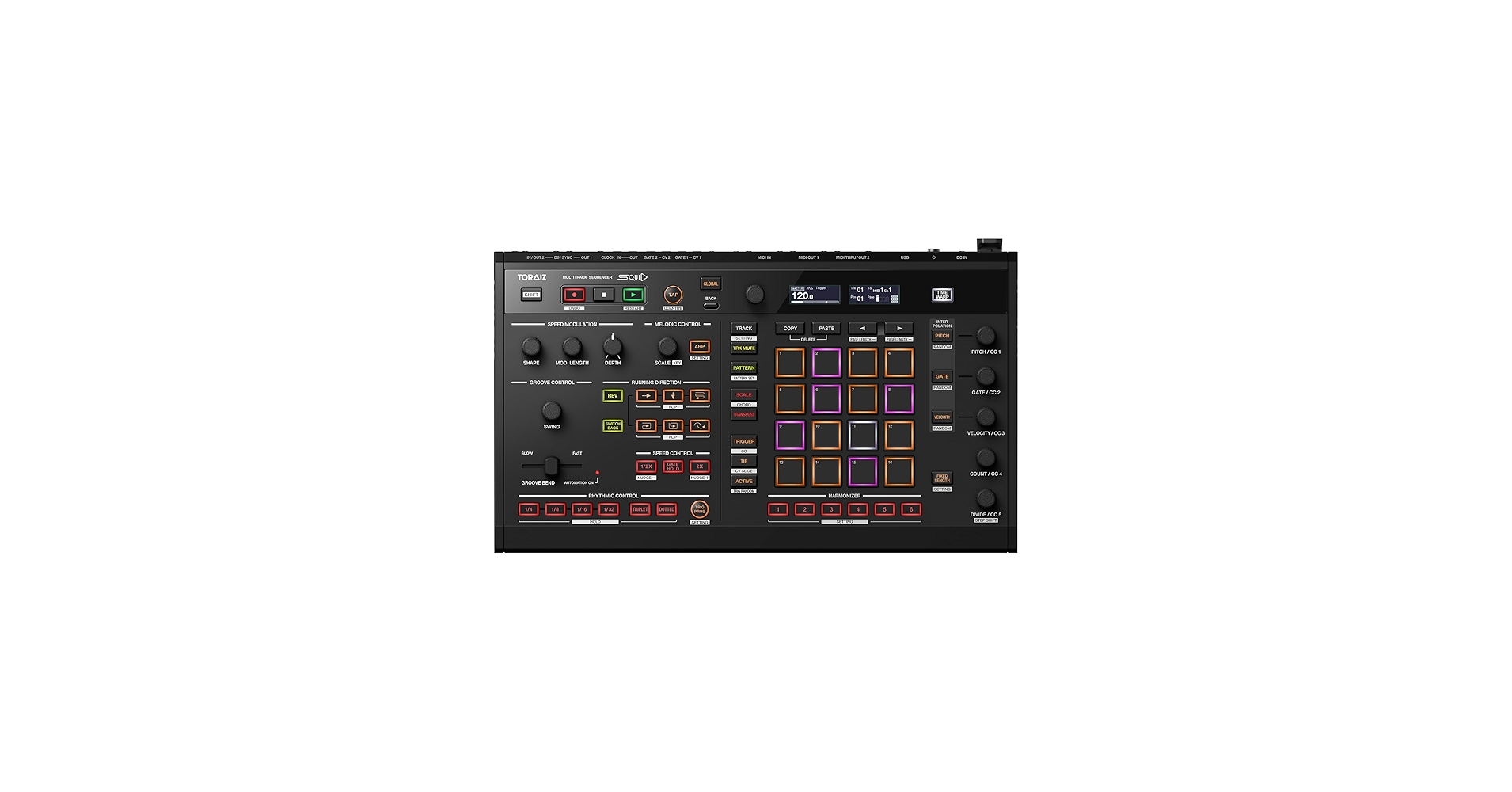
Buying physical gear requires a different approach than purchasing software. You need a marketplace that guarantees authenticity, offers clear return policies, and maintains deep inventory of both new and used units. For AI music production in 2026, having access to reliable hardware is essential for building tactile, hands-on systems that integrate with your digital workflow.
Reverb remains the dominant force for dedicated music gear. It functions like a specialized exchange for musicians, offering robust seller verification and a community that understands the nuances of vintage and modern sequencers. This makes it the safest bet for finding rare units or verifying the condition of second-hand gear before you commit.
Amazon provides a different advantage: speed and buyer protection. While the selection of niche hardware can be thinner than on Reverb, the platform’s logistics and return infrastructure are unmatched. For standard, high-volume sequencers, buying from Amazon ensures you can get your hands on the gear quickly with minimal friction if the item does not meet your expectations.
When evaluating these platforms, prioritize those with transparent seller ratings and clear warranty information. Avoid third-party sellers with no history or vague return terms. The goal is to secure hardware that supports your creative process without the risk of buyer remorse or logistical headaches.


As an Amazon Associate, we may earn from qualifying purchases.
Compare top digital sequencer platforms
Choosing the right software sequencer requires balancing AI-driven features with native DAW integration. In 2026, the best marketplaces prioritize tools that automate complex patterns while remaining responsive to manual tweaking. The following comparison highlights leading platforms based on workflow flexibility, AI capabilities, and plugin format support.
| Platform | AI Capabilities | Plugin Formats | Pricing Model |
|---|---|---|---|
| Elektron Digitakt II | Pattern improvisation and generative sequencing | Standalone / MIDI Out | Check current price |
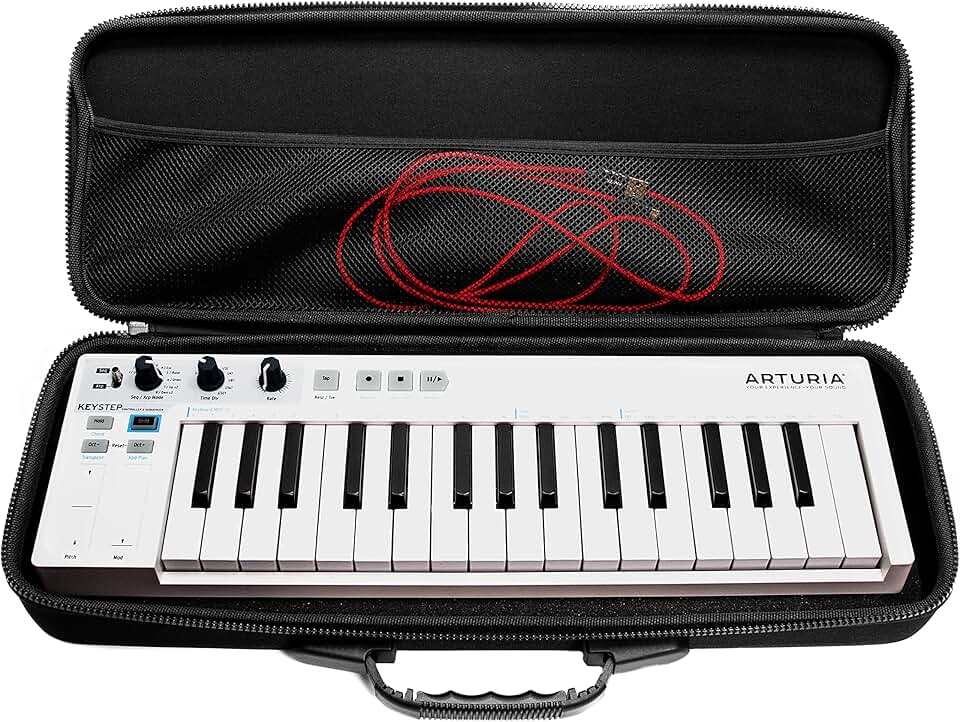
| Arturia KeyStep Pro | Basic probability and chord generation | Standalone / MIDI Out | Check current price |
| Oxi One | Machine learning pattern evolution | Standalone / MIDI Out | Check current price |
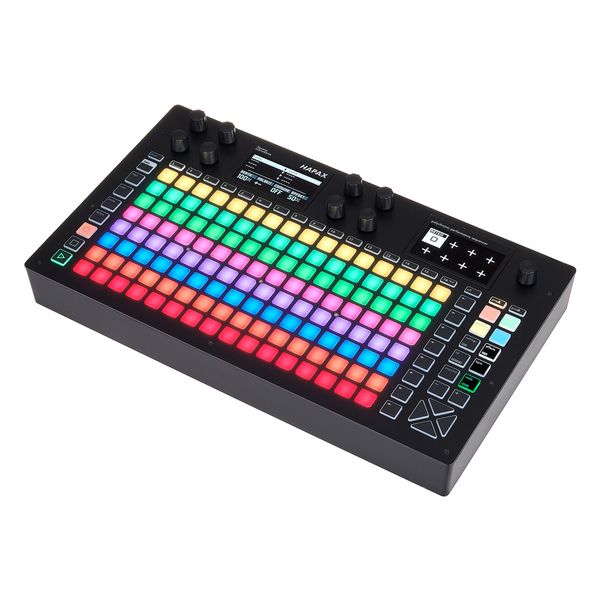
| Squarp Hapax | Advanced probabilistic sequencing | Standalone / MIDI Out | Check current price |
| Teenage Engineering OP-X | Built-in generative loops | Standalone | Check current price |
These platforms dominate the current landscape because they offer distinct approaches to sequencing. Elektron and Oxi Instruments lead in generative AI, allowing producers to create evolving basslines and rhythms with minimal input. Arturia and Squarp provide more traditional step-sequencing interfaces with modern probabilistic twists.
When selecting a platform, consider your primary DAW. While many options are standalone hardware, their MIDI output integrates seamlessly with Ableton Live, Logic Pro, or FL Studio. This hybrid approach allows you to use the sequencer for creative inspiration while retaining full control over your mix within your digital audio workstation.
How to choose a sequencer platform in 2026
Selecting the right sequencer requires balancing your immediate workflow needs with the rapid evolution of AI tools. In 2026, the market has split between traditional step-based hardware and software platforms that leverage generative AI for pattern creation. Your choice depends on whether you prioritize tactile control or computational speed.
Define your workflow first
Determine if you need a dedicated hardware unit or a software plugin. Hardware sequencers like the Elektron Digitakt II or Arturia KeyStep Pro offer hands-on control and standalone operation, making them ideal for live performance or studio experimentation. Software sequencers integrate directly into your Digital Audio Workstation (DAW), streamlining the production process by keeping all elements in one interface.
Evaluate AI integration
The primary differentiator in 2026 is how AI assists your creativity. Look for platforms that use AI to generate basslines, harmonies, or rhythmic variations based on your input. Some tools offer "co-pilot" features that suggest next steps, while others generate full patterns from text prompts. Ensure the AI tools complement your style rather than replacing your creative direction.
Consider budget and scalability
Sequencer costs vary widely, from affordable software plugins to high-end hardware systems. Check current prices for specific models, as costs can fluctuate. Consider the long-term value: does the platform support future expansion through firmware updates, additional instruments, or cloud collaboration? Avoid platforms that lock you into a closed ecosystem without clear upgrade paths.

As an Amazon Associate, we may earn from qualifying purchases.
Frequently asked questions about sequencers
The best MIDI sequencer depends on your workflow. For hands-on hardware, the Elektron Digitakt II and Arturia KeyStep Pro are top contenders. Software options like Ableton Live or FL Studio offer deep integration for digital production.
Cost varies widely. You can find affordable entry-level units under $200, while professional hardware sequencers often exceed $1,000. Check current price listings on major marketplaces to find the best deal for your budget.
You do not need a standalone sequencer if you have a DAW. Software DAWs include powerful step and pattern sequencers. However, hardware units offer tactile control and can inspire creativity by getting you away from the screen.
No comments yet. Be the first to share your thoughts!