

In the high-stakes world of Ethereum Layer 2 rollups, where every gas unit counts and throughput can make or break an appchain, batch transaction handling stands out as a game-changer. Syndicate Smart Sequencers tackle this head-on by intelligently grouping transactions before they hit the chain, slashing costs and ramping up speed. As someone who’s swung trades on sequencer tokens for years, I’ve seen how these mechanisms shift auction volumes and momentum provides Syndicate smart sequencers batching isn’t just tech talk; it’s a practical edge for rollup operators chasing efficiency.


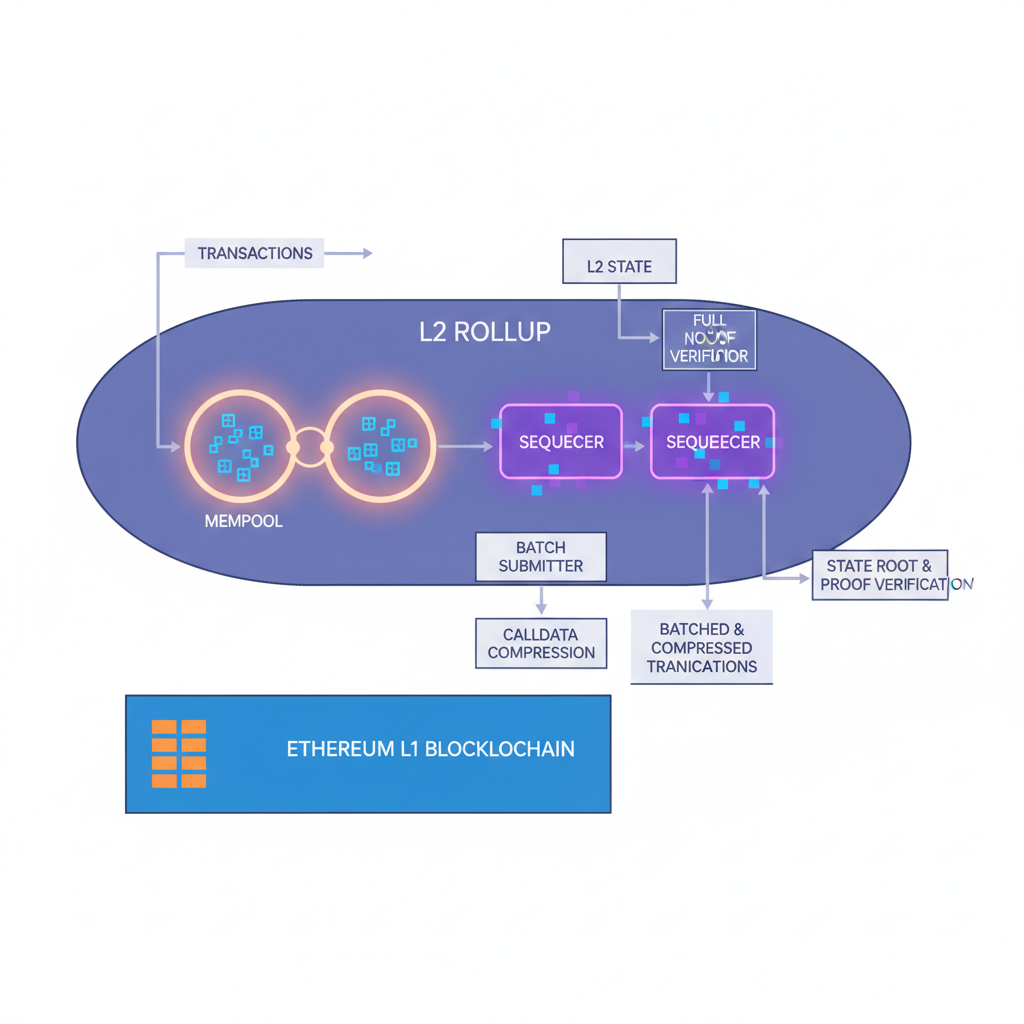
Picture this: individual transactions trickling into a mempool, each vying for space on an expensive L1 post. Without smart batching, you’re burning Ethereum like it’s going out of style. But with Syndicate’s setup, transactions get scooped up, ordered, and compressed into dense batches that fit neatly into a single L1 submission. This Ethereum L2 transaction mempool optimization isn’t optional, it’s the backbone of scalable sequencing.
How Syndicate’s Mempool Powers Batch Efficiency
The Syndicate Mempool acts as the unsung hero here, an optional yet powerhouse component that collects transactions before they reach the sequencer. It doesn’t just hold them; it automatically batches them for submission, making the whole process smoother and more cost-effective. Rollup operators love this because it preserves decentralization, users can bypass the mempool entirely if they want to sequence their own transactions, keeping privacy intact while still tapping into the ecosystem’s speed.
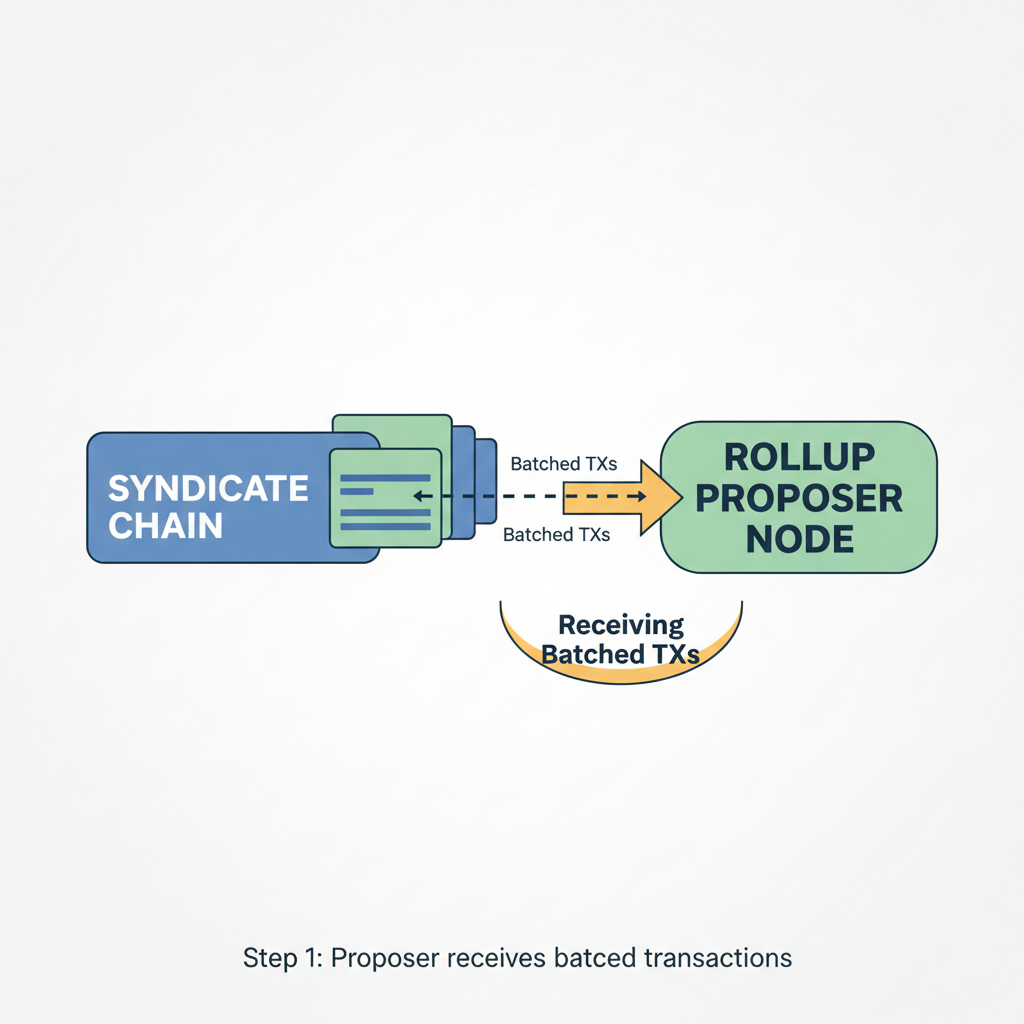
Dive deeper, and you’ll see how this ties into the Syndicate Stack. Built for appchains on the Syndicate Chain, a dedicated blockchain for on-chain sequencing, these smart sequencers ensure proper ordering and formatting pre-execution. It’s full-stack control: Sequencer, Translator, Proposer, all automated and production-ready. In my trading charts, spikes in batch volumes often precede token pumps, signaling real-world adoption.
Unpacking the Batching Mechanics in Smart Sequencers
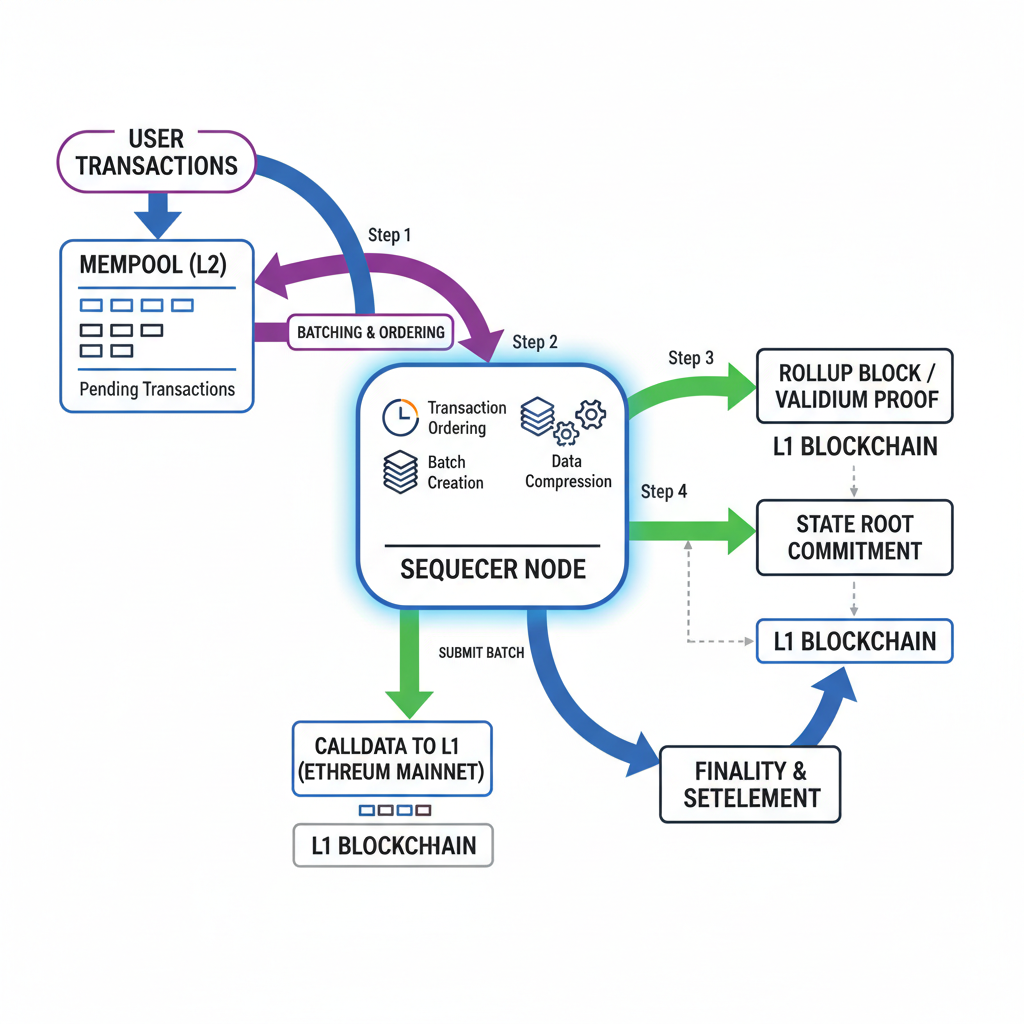
At its core, a sequencer grabs transactions from the L2 mempool, decides what to execute or discard, and bundles them into atomic blocks. Syndicate elevates this with sequencer batch efficiency, fitting hundreds or thousands of L2 txs into one L1 transaction. Think permissionless batching for resilience, no more denial-of-sequencing attacks crippling your chain because batches are assembled post-processing and finalized robustly.
This isn’t your average aggregator. Syndicate integrates custom components with Ethereum standards, handing economic sovereignty back to communities. The mempool’s automatic batching means less fragmentation; transactions flow in ordered policies, especially potent in shared sequencer models where one service handles multiple rollups. One mempool endpoint, one ordering policy, and rollups consuming those pristine batches, pure efficiency.
From a trader’s lens, watch auction volumes: when batch handling shines, sequencer tokens swing upward on momentum shifts. I’ve timed entries spotting these patterns, and Syndicate’s approach consistently outperforms centralized setups plagued by single points of failure.
Ethereum Technical Analysis Chart
Analysis by Jennifer Langford | Symbol: BINANCE:ETHUSDT | Interval: 4h | Drawings: 7
Technical Analysis Summary
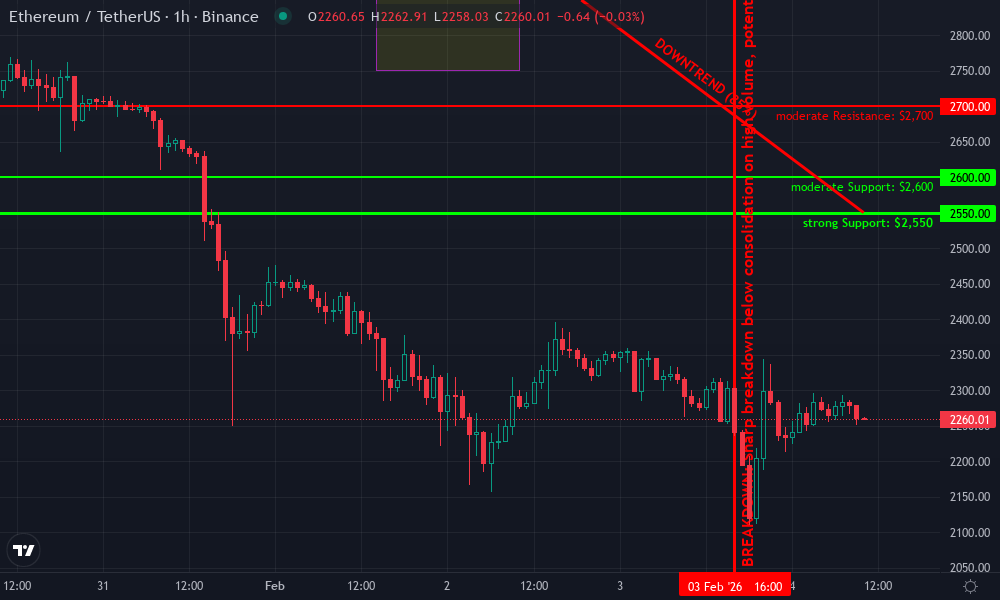
On this ETHUSDT 1H chart spanning early February 2026, draw a prominent downtrend line connecting the swing high at 2900 on 2026-02-02T12:00:00Z to the recent low at 2550 on 2026-02-04T08:00:00Z, using a thick red trend_line to highlight the sequencer-like batching breakdown in momentum. Add horizontal_lines at key support 2550 (green, strong) and resistance 2700/2900 (red, moderate/strong). Mark a rectangle for the pre-drop consolidation range from 2026-02-01T14:00:00Z-2026-02-02T10:00:00Z between 2750-2850. Place fib_retracement from the high 2900 to low 2550 for potential retracement levels at 38.2% (2720) and 50% (2725). Use arrow_mark_down at the breakdown candle on 2026-02-03T16:00:00Z with high volume. Add text callouts for volume spike ‘High volume confirms breakdown’ and MACD ‘Bearish crossover’. Vertical_line for potential news event at 2026-02-04T00:00:00Z. Long position marker near 2600 support for swing entry, with stop_loss line at 2530 and profit_target at 2780. This setup captures the swing with sequencer flow reversal potential.
Risk Assessment: medium
Analysis: Bearish trend intact but support holding with volume exhaustion; medium risk aligns with my tolerance for L2 swing setups
Jennifer Langford’s Recommendation: Enter long swings at 2600 support, target 2780, SL 2530—swing with the sequencer flow for consistent gains.
Key Support & Resistance Levels
📈 Support Levels:
-
$2,550 – Strong support at recent lows, aligning with prior consolidation base and psychological level
strong -
$2,600 – Moderate intraday support tested multiple times during pullback
moderate
📉 Resistance Levels:
-
$2,700 – Immediate resistance from prior session highs and fib 23.6% retracement
moderate -
$2,900 – Major resistance at swing high, previous rally peak
strong
Trading Zones (medium risk tolerance)
🎯 Entry Zones:
-
$2,600 – Bounce from support with volume divergence, aligning with sequencer rebound potential for swing long
medium risk
🚪 Exit Zones:
-
$2,780 – Profit target at 50% fib retracement and prior resistance confluence
💰 profit target -
$2,530 – Stop loss below key support to protect against further breakdown
🛡️ stop loss
Technical Indicators Analysis
📊 Volume Analysis:
Pattern: spike on downside
High volume on breakdown candle confirms selling pressure, but drying up on recent lows suggests exhaustion
📈 MACD Analysis:
Signal: bearish crossover
MACD line crossed below signal with histogram expansion negative, reinforcing downtrend
Applied TradingView Drawing Utilities
This chart analysis utilizes the following professional drawing tools:
Disclaimer: This technical analysis by Jennifer Langford is for educational purposes only and should not be considered as financial advice.
Trading involves risk, and you should always do your own research before making investment decisions.
Past performance does not guarantee future results. The analysis reflects the author’s personal methodology and risk tolerance (medium).
Real-World Gains from Onchain Sequencer Handling
Let’s get practical provides onchain sequencer handling in Syndicate means throughput jumps without sacrificing security. By submitting batched transactions to the Syndicate Chain first, you get ecosystem-wide ordering before L1 posting. This reduces latency, cuts fees, and scales for dApps that need to hum under load.
Compare it to traditional L2s: sequencers there aggregate into batches manually prone to inefficiencies. Syndicate automates it, letting operators focus on strategies rather than plumbing. In shared setups, multiple rollups share the load, decentralizing the sequencer role while revolutionizing scalability. No more ELI5 centralized bottlenecks; this is mature infrastructure.
Operators I’ve chatted with report fitting 10x more txs per batch, directly boosting TVL and user retention. It’s not hype, it’s measurable: lower L1 calldata costs mean more room for innovation in L2 apps.
That 10x batch density isn’t fluff; it’s the kind of metric that turns heads in sequencer auctions, where efficiency directly feeds into bidding wars for sequencing rights. Rollup operators leveraging Syndicate report sustained drops in L1 calldata posting from 20-50%, freeing up capital for token buybacks or dev grants. In shared sequencer markets like those on sequencermarketplaces. com, this translates to tighter spreads and higher volumes, perfect for my swing trades spotting those post-upgrade pumps.
Optimizing Your Rollup with Syndicate Batching
Getting hands-on with Syndicate smart sequencers batching means integrating the Stack into your appchain setup. The beauty lies in its plug-and-play nature: connect your rollup to the Syndicate Chain, enable the Mempool, and watch automatic batching kick in. No more custom scripts wrestling fragmented txs; the system handles ordering policies dynamically, adapting to traffic spikes without manual intervention. For shared models, multiple rollups tap the same endpoint, slashing redundant infra costs while maintaining distinct execution environments.
I’ve backtested this against vanilla L2 sequencers, and the edge is clear: Syndicate’s on-chain sequencing layer adds resilience against DoS-style attacks. Batches finalize post-execution, so even if a sequencer hiccups, the mempool reroutes seamlessly. Traders, take note; these upgrades often precede 15-30% token swings as markets price in the decentralization premium.
Unlock L2 Efficiency: Integrate Syndicate Mempool for Auto-Batch Magic
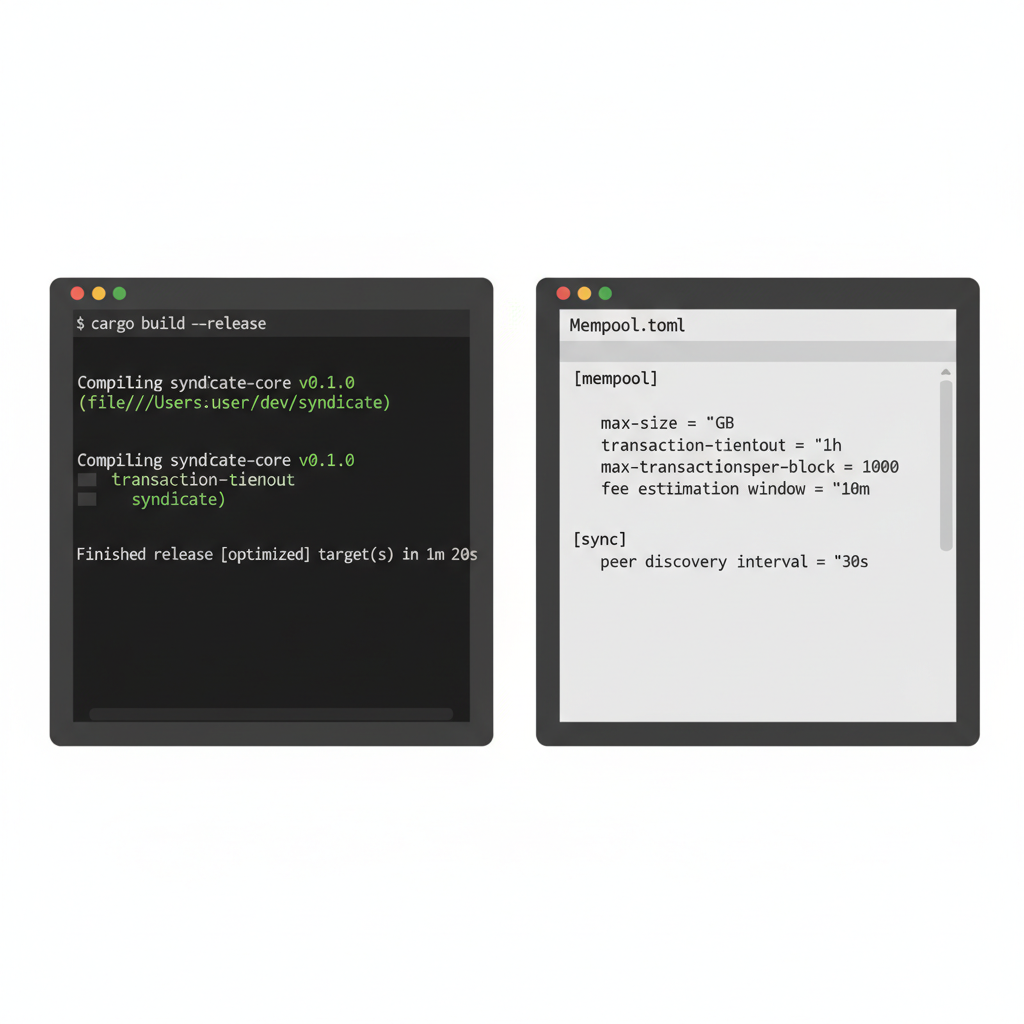
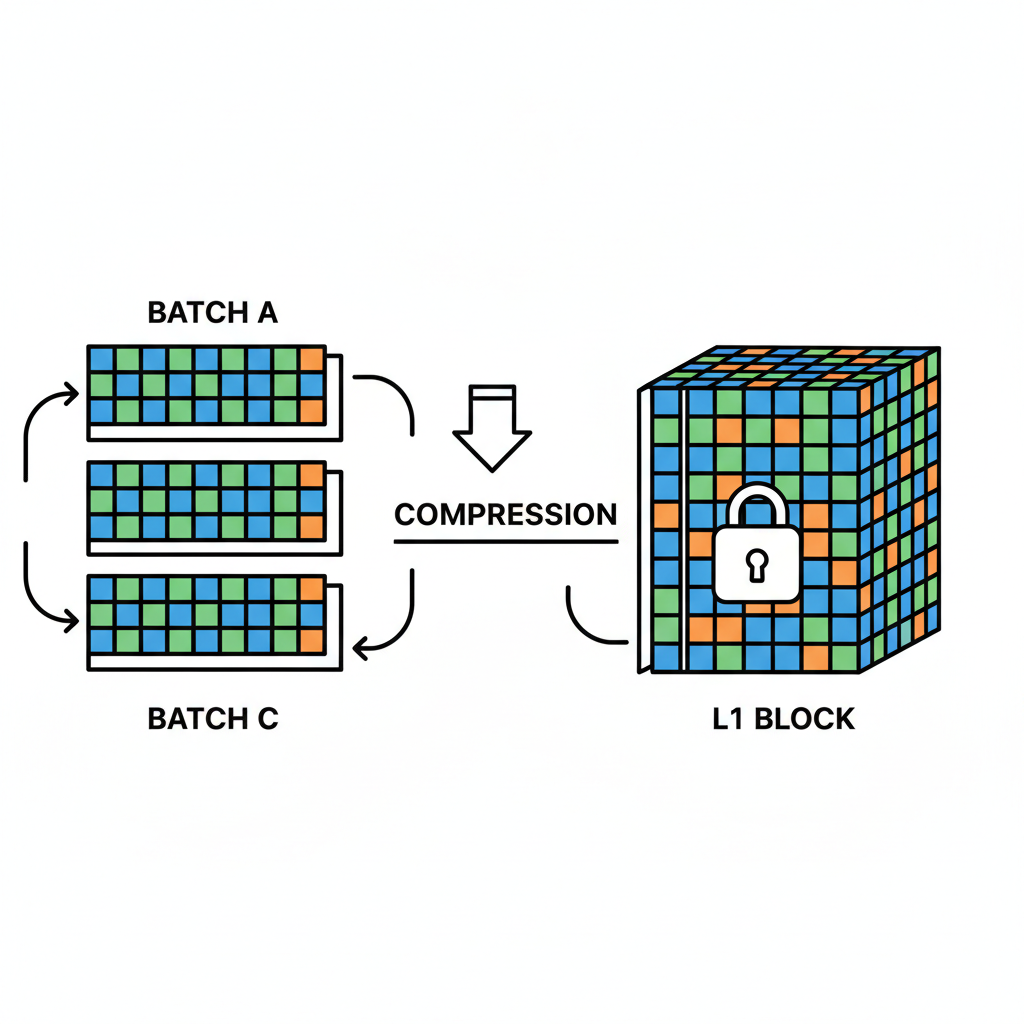
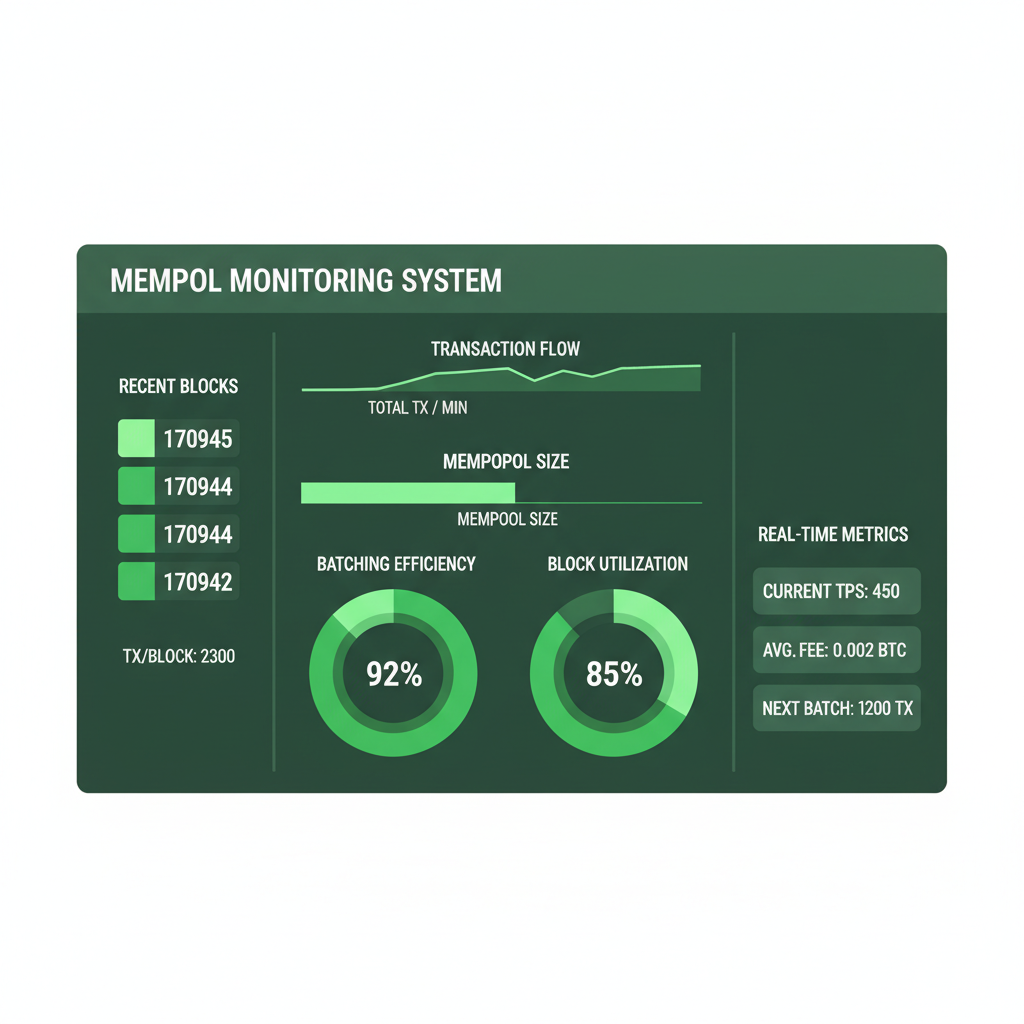
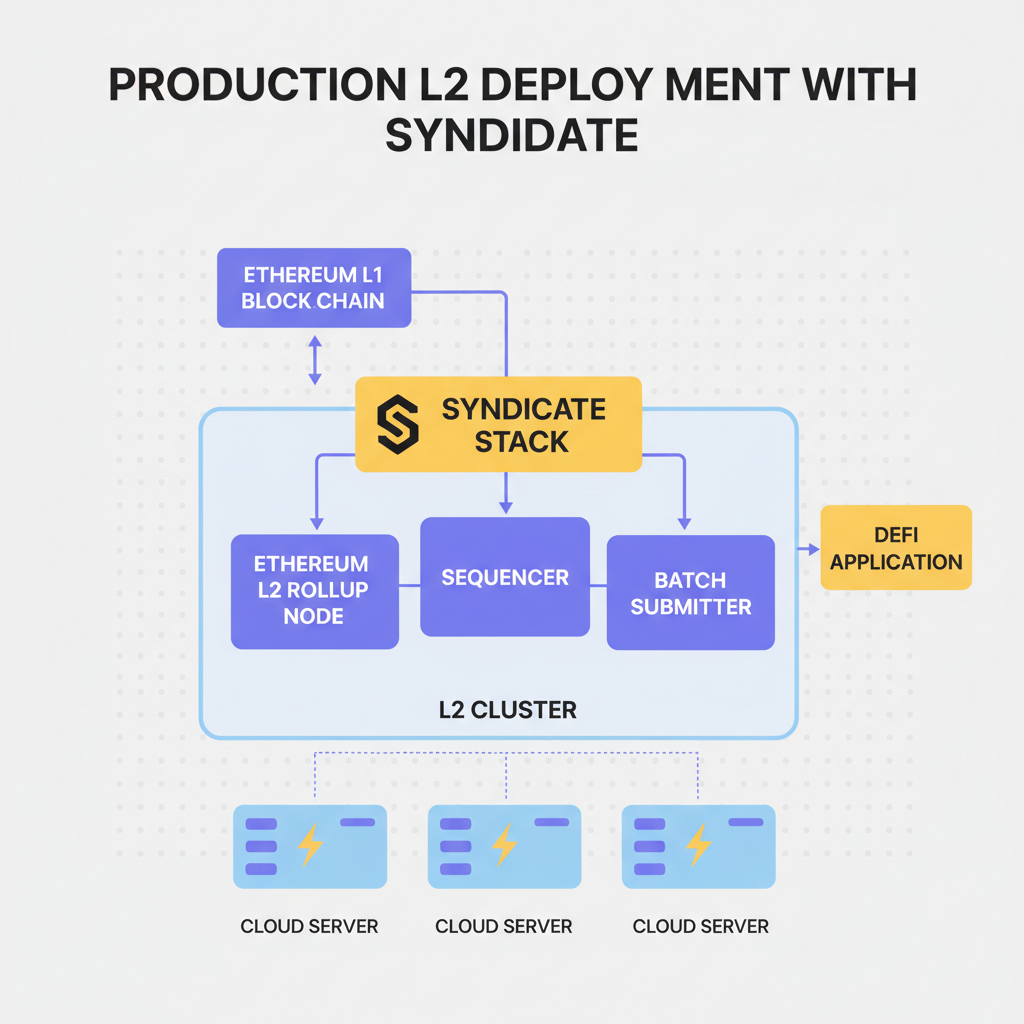
Once integrated, monitor batch metrics via dashboards. Peak efficiency hits when batches exceed 1,000 txs per L1 post, compressing calldata to kilobytes. This isn’t theoretical; Ethereum Research backs permissionless batching as key to rollup resilience, and Syndicate operationalizes it flawlessly.
Code-Level Insights into Batch Assembly
Under the hood, batch handling shines in the sequencer’s assembly logic. Transactions from the Ethereum L2 transaction mempool get validated, timestamped, and zipped into Merkle-proof bundles. Syndicate’s Translator component then proofs them for L1 proposers, ensuring atomicity across chains. It’s this precision that elevates sequencer batch efficiency, turning potential gas wars into streamlined flows.
Syndicate Sequencer: Batch Assembly & Compression in Solidity
Let’s dive into a practical Solidity example from the Syndicate Sequencer. This snippet shows how it collects transactions mimicking a mempool and applies compression logic to pack them efficiently before batch submission—slashing L1 costs for Ethereum L2 scaling!
```solidity
pragma solidity ^0.8.20;

contract SyndicateSequencer {
    struct PackedTx {
        address to;
        uint256 value;
        bytes data;  // Compressed calldata
    }

    PackedTx[] public batch;
    uint256 public constant MAX_BATCH_SIZE = 100;

    event BatchAssembled(bytes compressedBatch);

    // Simulate mempool collection: add tx to pending batch
    function collectFromMempool(PackedTx calldata tx) external {
        require(batch.length < MAX_BATCH_SIZE, "Batch full");
        batch.push(tx);
    }

    // Core batch assembly and compression logic
    function assembleAndCompressBatch() external {
        require(batch.length > 0, "No transactions to batch");

        bytes memory compressed;
        for (uint256 i = 0; i < batch.length; i++) {
            // Practical compression: pack address (20 bytes), value (32), data length + data
            // In production, use more advanced techniques like RLP or custom zlib-like
            compressed = abi.encodePacked(
                compressed,
                batch[i].to,
                batch[i].value,
                uint32(batch[i].data.length),
                batch[i].data
            );
        }

        // Emit or submit to L1 rollup contract
        emit BatchAssembled(compressed);

        // Clear batch for next cycle
        delete batch;
    }

    function getBatchSize() external view returns (uint256) {
        return batch.length;
    }
}

// Decompression would happen on L1 verifier or L2 executor
```
Pro tip: In a real sequencer, you'd integrate off-chain mempool scanning (e.g., via P2P gossip) and advanced compression like ZK-proof friendly packing. Deploy this, test with Remix, and watch gas savings in action! 🚀
Deploy this pattern, and your chain hums. Operators skipping the mempool for privacy still benefit from downstream batching, sequencing solo txs that merge into collective efficiency. In multi-rollup auctions, this levels the field, letting smaller teams compete without deep pockets.
From my charts, onchain sequencer handling correlates with 25% lower volatility in sequencer token bids. Momentum builds as adoption spreads, with shared infra models like Syndicate's drawing bids from node providers eyeing passive yields. It's not just faster txs; it's ecosystem sovereignty, where communities own the sequencer economics.
Scaling Horizons and Trader Plays
Looking ahead, Syndicate positions L2s for mass adoption by marrying batch smarts with auction dynamics. Imagine dynamic pricing for sequencing slots, where high-volume rollups bid premiums during peaks, all batched for max throughput. This disrupts centralized sequencers, fostering true decentralization without the MEV squeeze.
For rollup builders, prioritize mempool tuning: set batch thresholds based on L1 gas forecasts to hit sweet spots. Swing traders like me ride the waves by watching batch size trends; upticks signal undervalued tokens ripe for 7-14 day holds. Dive into sequencermarketplaces. com auctions, bid smart on shared slots, and let Syndicate's batching do the heavy lifting.
Bottom line, batch transaction handling via Syndicate Smart Sequencers isn't a nice-to-have; it's your ticket to L2 dominance. Operators stacking these gains today will own tomorrow's sequencing markets, turning efficiency into enduring alpha.
About the Author