


In the fast-evolving Ethereum Layer 2 landscape, Syndicate programmable sequencers emerge as a game-changer for appchain developers seeking true sovereignty over transaction flows. Traditional sequencers, often centralized offchain entities, impose rigid ordering and fee mechanisms that stifle innovation and extract undue value from ecosystems. Syndicate flips this script by embedding sequencing logic directly into onchain sequencers Ethereum smart contracts, enabling atomic composability and custom rules that align precisely with application needs.

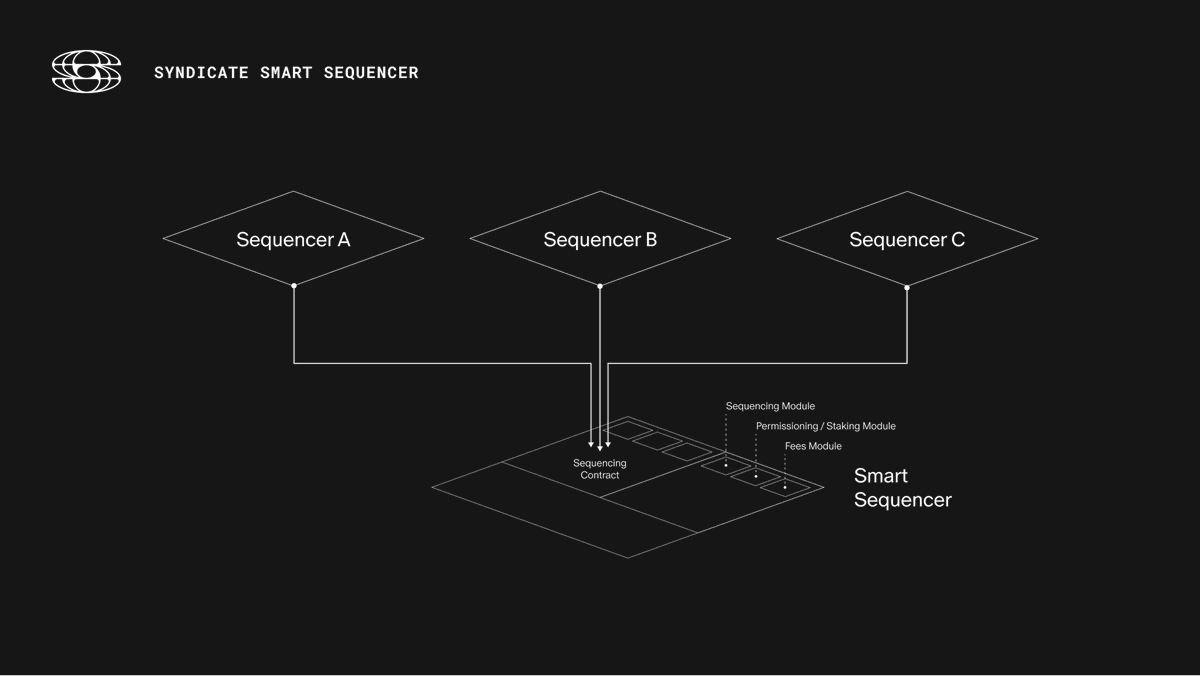
This shift isn’t mere incremental improvement; it’s a foundational redesign. Developers can now dictate smart sequencer transaction batching, mempool prioritization, and even dynamic fee auctions through verifiable code, all while leveraging Syndicate Chain as the neutral sequencing hub for diverse appchains.
Breaking Free from Centralized Sequencer Bottlenecks
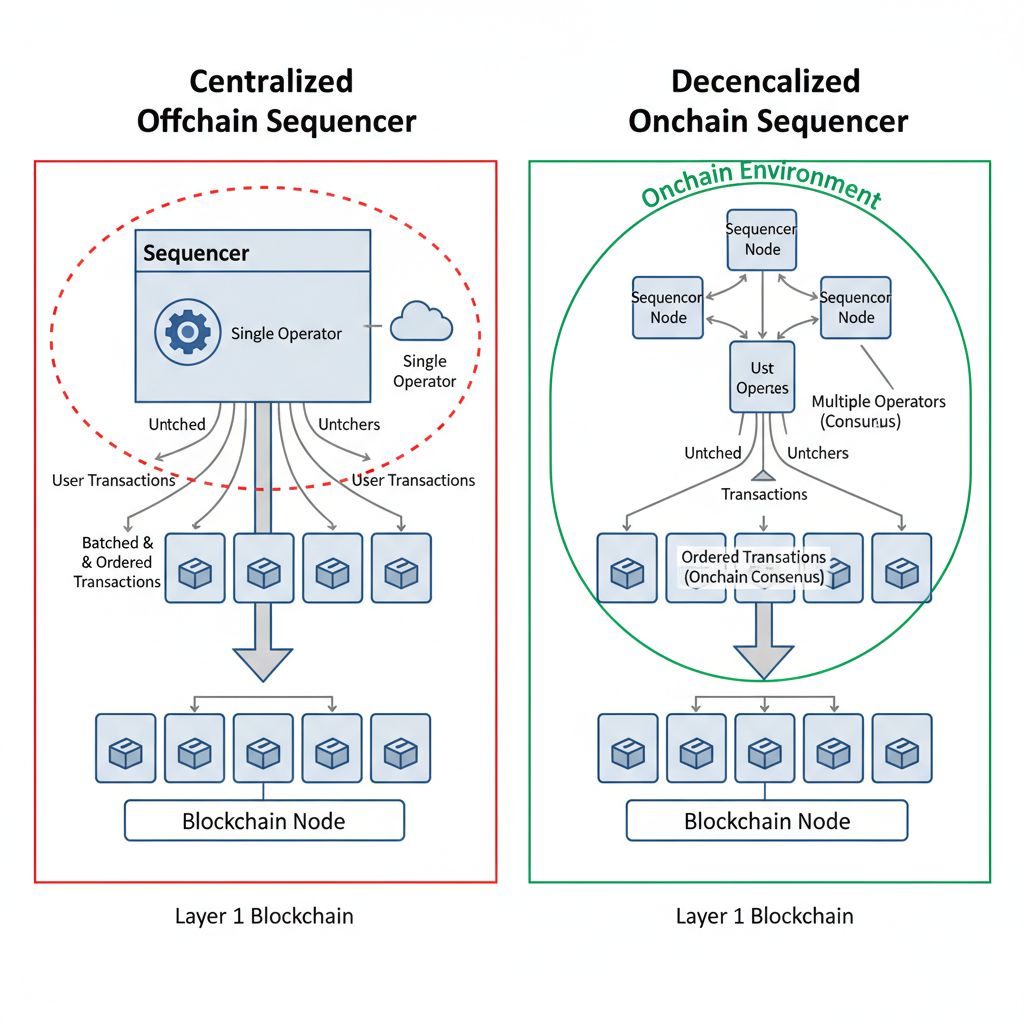
Centralized sequencers dominate today’s rollups, from Optimism to Arbitrum, handling transaction collection, ordering, and batch submission to L1. While efficient, they create vulnerabilities: single points of failure, MEV extraction by operators, and opaque decision-making that undermines decentralization. Rollup operators surrender control, watching economic value leak to third-party sequencers amid rising operational costs.
Syndicate’s approach decentralizes this core function. By hosting appchain sequencing contracts on its dedicated blockchain, it ensures transparency and programmability. Transactions flow through a smart sequencer that applies developer-defined logic before onchain execution, mitigating risks like censorship or frontrunning. This resonates with broader industry pushes, as seen in discussions around shared sequencer models like auctions and committees.
Decentralize L2 Sequencers: Syndicate Onchain Guide

Unpacking the Syndicate Smart Sequencer Mechanics
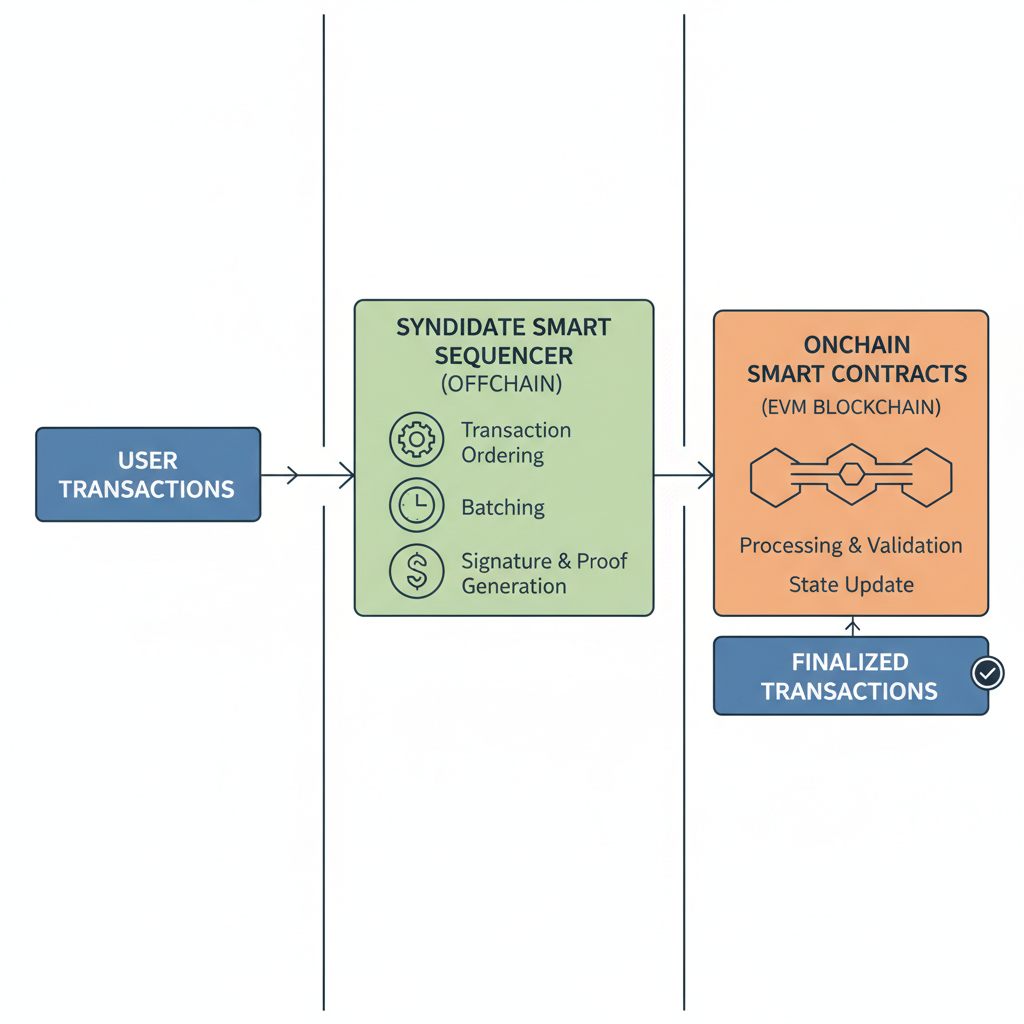
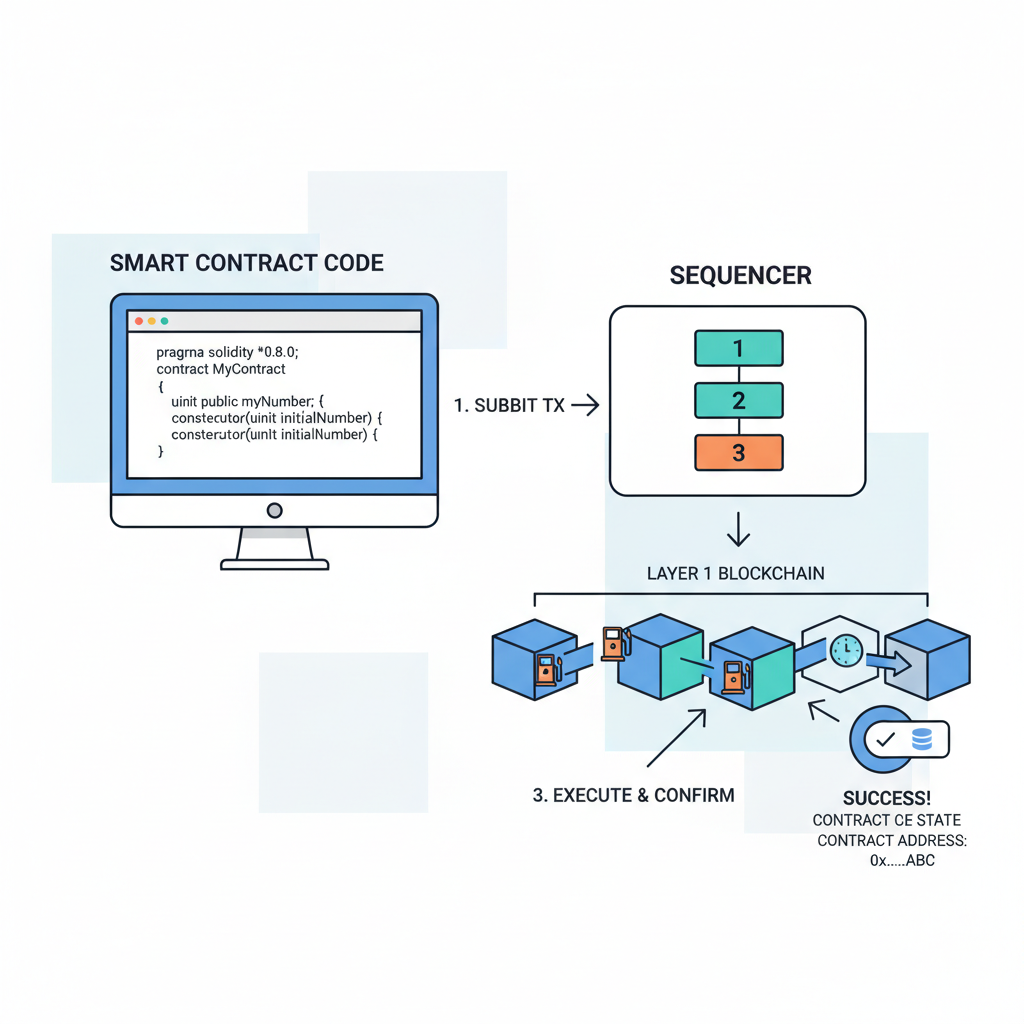
At its heart, the Syndicate Smart Sequencer acts as an intelligent aggregator, employing Syndicate mempool aggregation to collect user transactions across appchains. It then batches and submits them to onchain sequencer contracts per custom rules, such as priority fees, time-weighted ordering, or even application-specific randomness for gaming.
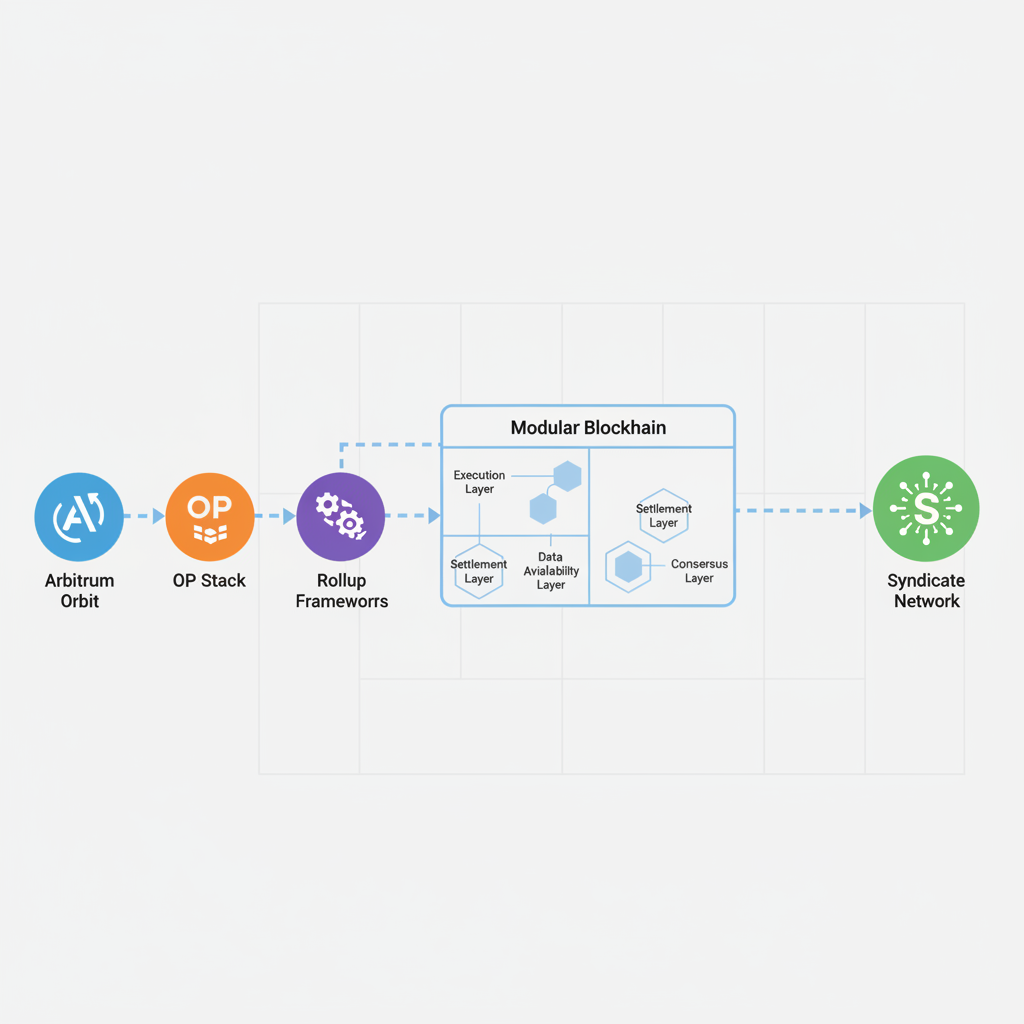
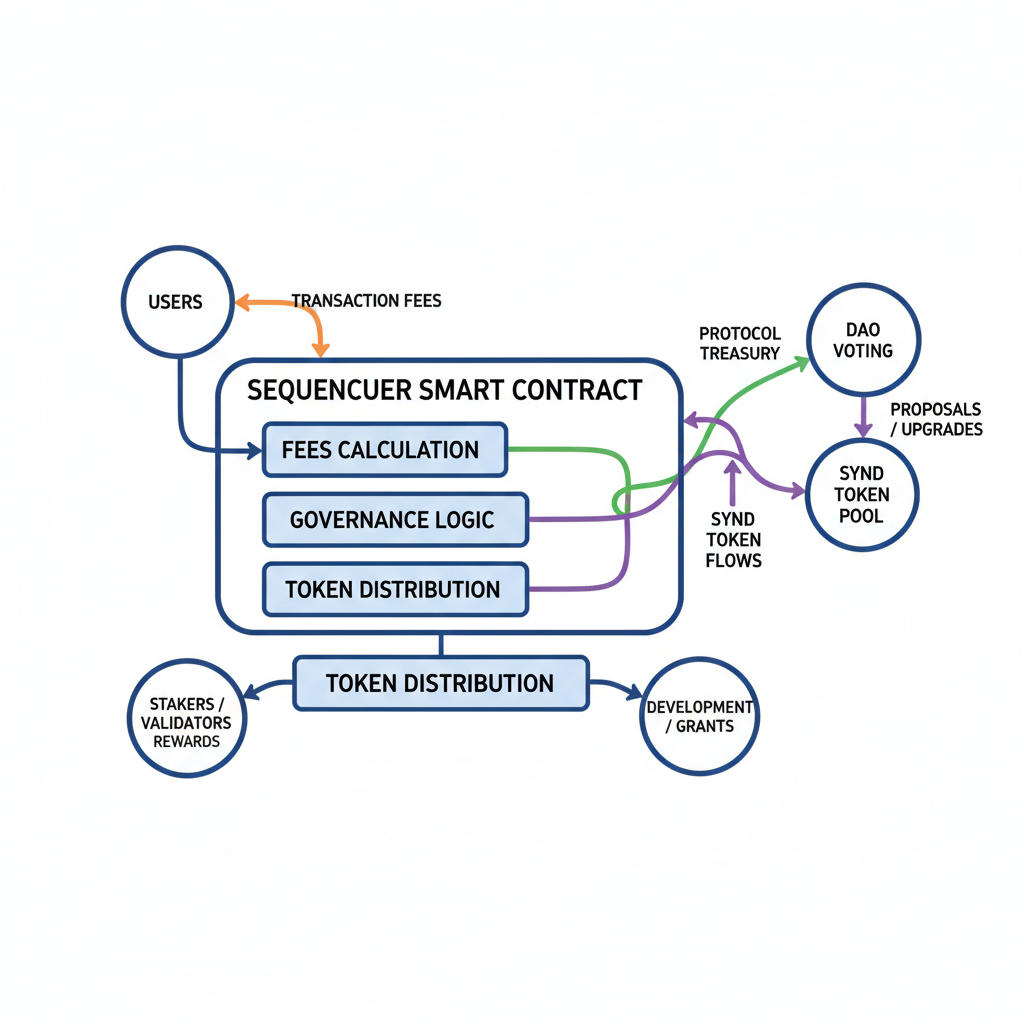
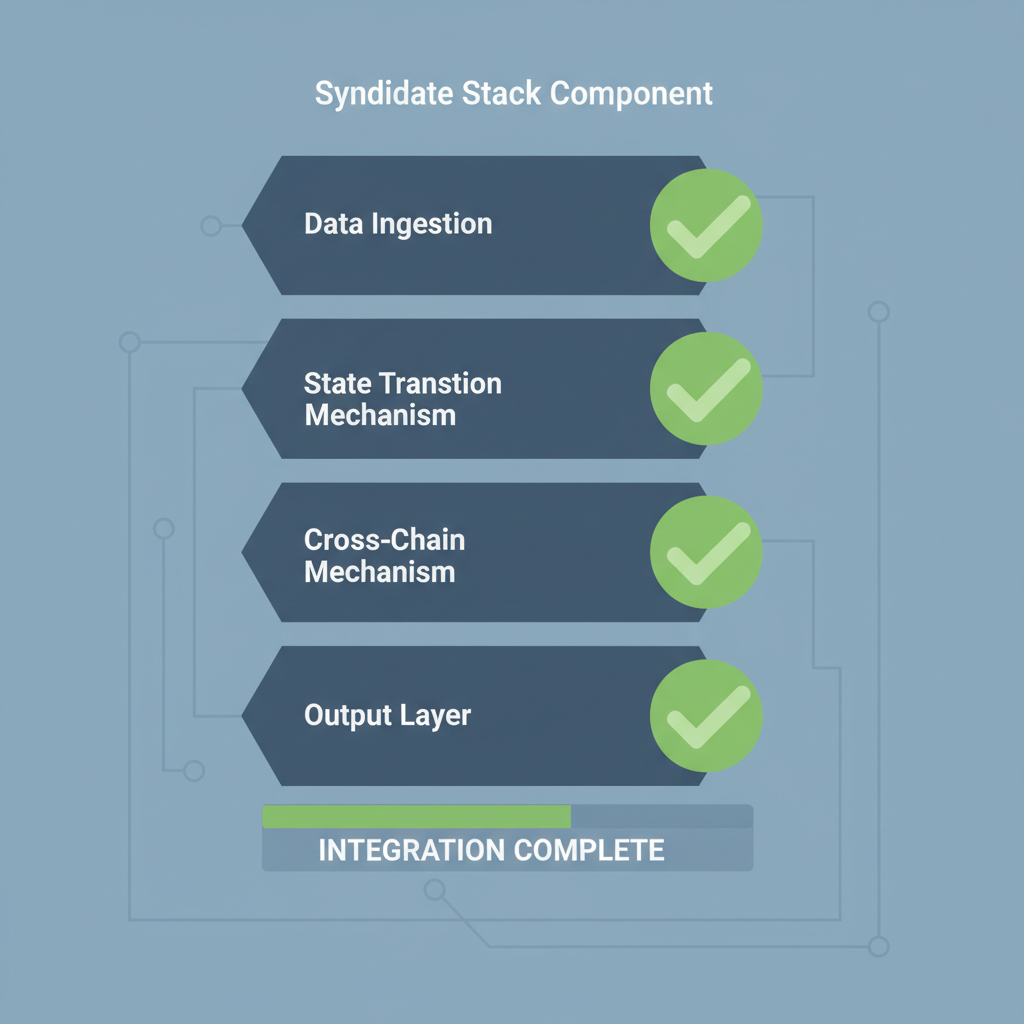
Consider the stack: Syndicate Chain serves as the ecosystem-wide sequencer layer, compatible with OP Stack, Arbitrum Orbit, and EVM settlers like Ethereum or Base. Smart contracts here define everything from transaction inclusion criteria to dispute resolution, executed atomically for composability. The SYND token powers gas and governance, aligning incentives across the network.
Syndicate’s onchain sequencing combines the programmability of smart contracts with L2 efficiency, enabling applications to maintain economic sovereignty.
This architecture sidesteps offchain pitfalls, offering scalability without compromising control. Developers deploy appchains that evolve independently, tweaking sequencer parameters via upgrades without forking or migrations.
Empowering Appchains with Custom Economic Models
Syndicate empowers bespoke fee markets and governance, directly addressing pain points in traditional setups. Imagine an appchain where sequencer bids determine ordering via onchain auctions, or committees of staked nodes vote on batch parameters. These aren’t hypotheticals; they’re live possibilities within Syndicate’s framework.
Recent milestones underscore viability. Adrift, Syndicate’s inaugural gaming appchain, harnesses programmable sequencers for tamper-proof, low-latency randomness, ensuring fair play in competitive environments. The Alchemy partnership further integrates this tech with enterprise-grade rollups, blending community ownership with high-throughput reliability.
Transitioning to Syndicate means reclaiming value: no more sequencer revenue siphoned offchain. Instead, fees recirculate through appchain treasuries, funding development or buybacks. For dApp builders, this translates to tailored transaction flows that boost UX and retention, all secured by Ethereum’s finality guarantees. Explore how programmable onchain sequencers transform appchains.
Yet, the true power lies in interoperability. Appchains on Syndicate Chain share a unified sequencing layer, fostering cross-chain composability without bridges or wrappers. This positions Syndicate at the vanguard of L2 evolution, where programmability meets decentralization head-on.
About the Author