


In the evolving landscape of Ethereum Layer 2 networks, decentralizing sequencers stands as a prudent step toward mitigating longstanding risks of centralization. As Ethereum’s price holds at $2,255.29 amid a 1.50% daily dip, the focus sharpens on infrastructure that bolsters long-term resilience without compromising efficiency. Rollup node decentralization through shared infra auctions nodes emerges not as a speculative fad, but a fundamental shift for node operators seeking sustainable operations.

Centralized sequencers, while enabling rapid scaling, introduce vulnerabilities that thoughtful investors must weigh carefully. A single operator controls transaction ordering, exposing networks to censorship, downtime, and MEV extraction imbalances. Recent analyses underscore this tension: projects grapple with performance trade-offs, yet the path forward lies in collaborative models that preserve security and cost structures.
The Imperative for Rollup Node Decentralization
Node operators in Ethereum L2 ecosystems face mounting pressure to diversify beyond proprietary sequencers. Traditional setups concentrate power, often leading to suboptimal resource allocation and heightened failure risks. Shared sequencer models address this by distributing responsibilities across networks, fostering interoperability among rollups. From a macro perspective, this aligns incentives with Ethereum’s validator base, leveraging existing security for L2 transaction flows.
Consider the mechanics: a sequencer orders transactions before batching them to Layer 1. Centralization streamlines this but at the cost of trust assumptions. Decentralizing sequencers Ethereum L2 via pooled infrastructure counters these issues, enabling operators to bid competitively without rebuilding from scratch.
Shared sequencing maintains decentralization without affecting security, performance, or cost.
Emerging Shared Sequencer Networks
Projects pioneering shared sequencers offer node operators ready-made solutions for rollup node decentralization. Espresso Sequencer integrates with EigenLayer, tasking Ethereum validators with sequencing duties through Actively Validated Services. This not only generates supplementary yields but fortifies decentralization by tying L2 ordering to L1 proofs.
Astria complements this with a dedicated network of sequencers handling cross-L2 transactions, curtailing censorship vectors. Radius advances further, embedding cryptographic safeguards against malicious MEV. These initiatives, drawn from ongoing ecosystem discourse, signal a maturing market where shared infra auctions nodes become viable for institutional-grade deployments.
Metis exemplifies decentralized sequencer pools in action, running multiple nodes concurrently to eliminate single points of failure. Such pools democratize participation, allowing L1 operators to extend capabilities to L2 without full-stack overhauls.
Sequencer Auction Operators: A Conservative Path Forward
Auctions represent the linchpin for sequencer auction operators, introducing market-driven selection that rewards reliability over raw capital. Sealed-bid formats, powered by confidential compute and TEEs, ensure equitable bidding without collusion risks. This mechanism extends to partial block auctions, fragmenting sequencing rights for granular control.
Arbitrum’s TimeBoost illustrates early adoption, auctioning priority slots to users while sequencers capture value. Scaling this to shared infra auctions nodes, L2 teams can transition progressively: from centralized baselines to based rollups, incorporating committees, restaked sets, and preconfirmations. For node operators, the appeal is clear; low-risk entry via auctions optimizes capex while enhancing network uptime.
Ethereum (ETH) Price Prediction 2027-2032
Forecasts amid L2 sequencer decentralization trends: shared sequencers, decentralized pools, and auction mechanisms enhancing scalability, security, and adoption
| Year | Minimum Price | Average Price | Maximum Price | YoY % Change (Avg) |
|---|---|---|---|---|
| 2027 | $2,000 | $4,000 | $7,000 | +60% |
| 2028 | $3,000 | $6,000 | $11,000 | +50% |
| 2029 | $4,000 | $8,500 | $15,000 | +42% |
| 2030 | $5,500 | $11,500 | $20,000 | +35% |
| 2031 | $7,000 | $15,000 | $25,000 | +30% |
| 2032 | $9,000 | $19,000 | $32,000 | +27% |
Price Prediction Summary
Ethereum’s price is forecasted to grow significantly from 2027 to 2032, driven by L2 sequencer decentralization. Average prices rise from $4,000 to $19,000, with bullish maxima up to $32,000 reflecting enhanced scalability via shared sequencers (Espresso, Astria, Radius), decentralized pools (e.g., Metis), and auction-based selection, amidst market cycles and adoption trends. Minimums account for bearish scenarios like regulatory hurdles.
Key Factors Affecting Ethereum Price
- Adoption of shared sequencers (Espresso, Astria, Radius) boosting L2 interoperability and efficiency
- Decentralized sequencer pools (e.g., Metis) reducing single points of failure
- Auction-based sequencer selection ensuring fairness and censorship resistance
- Ethereum L2 scalability improvements driving transaction volume and fees
- Market cycles with potential bull runs post-2026 halving echoes
- Regulatory clarity supporting decentralization
- Competition from modular chains and macroeconomic factors influencing volatility
Disclaimer: Cryptocurrency price predictions are speculative and based on current market analysis.
Actual prices may vary significantly due to market volatility, regulatory changes, and other factors.
Always do your own research before making investment decisions.
These auction-based paradigms, informed by RFPs like Aztec’s, underscore a deliberate evolution. Operators bidding in shared pools not only hedge against centralization pitfalls but position for revenue streams in MEV-resistant environments. As Ethereum navigates its current $2,255.29 valuation, such innovations fortify the scaling narrative against volatility.
Node operators eyeing shared infra auctions nodes must prioritize governance frameworks that underpin these auctions. Robust slashing mechanisms and stake-weighted voting prevent adversarial takeovers, ensuring only reliable participants prevail. This conservative layering echoes Ethereum’s proof-of-stake maturity, where economic security scales with adoption.
Navigating Risks in Decentralized Sequencing
Transitioning to decentralizing sequencers Ethereum L2 carries measured risks, chiefly around liveness and coordination overhead. Centralized models excel in latency, but shared networks introduce consensus latencies that demand vigilant monitoring. Operators should assess TEE reliance in sealed-bid auctions, as hardware assumptions warrant scrutiny amid evolving threat landscapes.
Yet, these hurdles pale against centralization’s existential threats. MEV auctions within shared pools redistribute extraction value, curbing front-running excesses. Projects like Uniswap’s Unichain explore partial block auctions, decentralizing node setups without upending throughput. For institutional players, the calculus favors gradual integration: pilot shared sequencers on low-stakes rollups before full commitment.
Comparison of Key Shared Sequencer Projects
| Project | Core Mechanism | Key Benefits |
|---|---|---|
| Espresso | EigenLayer integration with Ethereum validators as sequencers via AVS | Validator yields, enhanced decentralization, aligned economic incentives |
| Astria | Shared sequencer network for cross-L2 transaction ordering | Censorship resistance, cross-rollup communication, interoperability |
| Radius | Trustless shared sequencing layer with cryptographic protections | MEV protection, modular scalability, security against malicious actors |
| Metis | Decentralized sequencer pools with multi-node operation | Multi-node resilience, eliminates single points of failure, network reliability |
Empirical evidence from Metis pools affirms resilience gains, with concurrent nodes buffering against outages. Ethereum Research roadmaps further guide centralized sequencers toward based variants, blending L1 derivation with decentralized ordering. This phased approach suits conservative operators, minimizing disruption while capturing auction premiums.
Practical Steps for Sequencer Auction Operators
Rollup node decentralization demands actionable strategies. Operators begin by staking collateral in chosen pools, calibrating bids to historical win rates and gas dynamics. Monitoring tools track sequencer uptime, vital as Ethereum lingers at $2,255.29 following a -1.50% dip. Success hinges on aligning with high-TV L2s, where auction volumes justify infrastructure costs.
Steps to Enter Shared Sequencer Auctions
-

1. Select a pool: Choose a shared sequencer network like Espresso (leveraging EigenLayer) or Astria for decentralized transaction ordering.
-
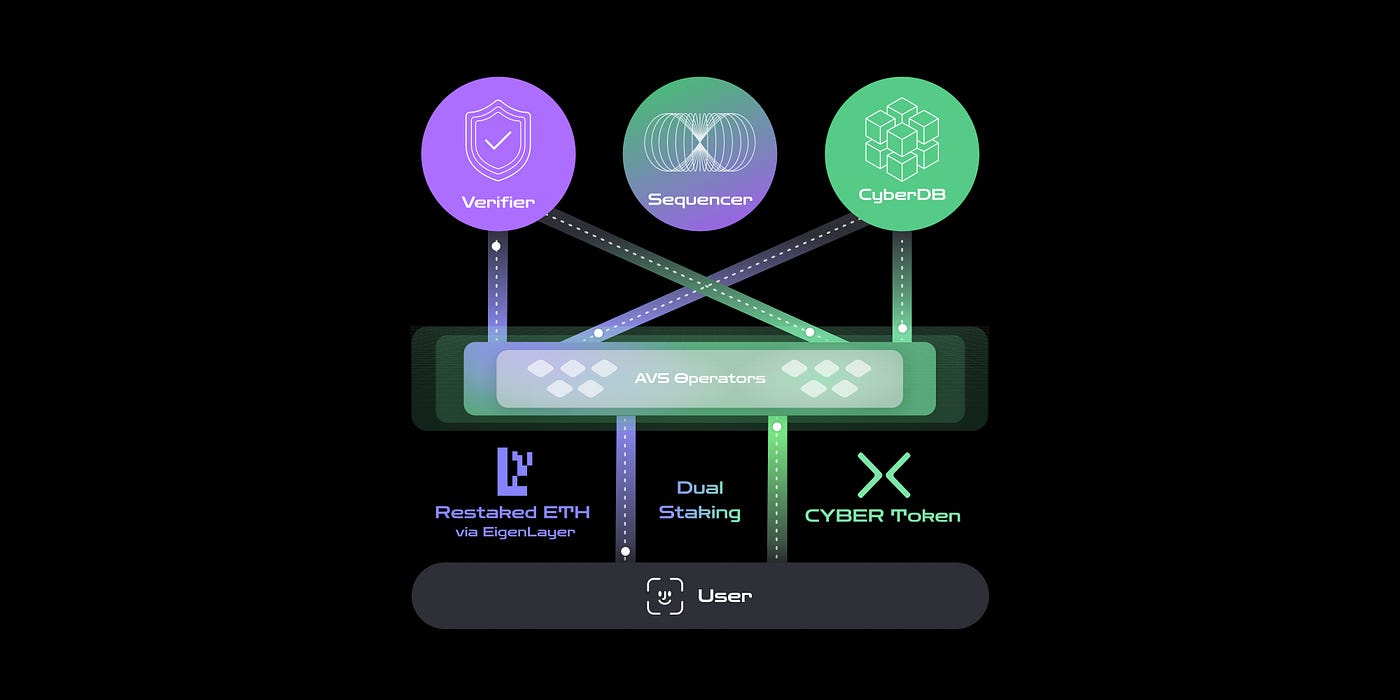
2. Stake via EigenLayer/AVS: Deposit stake into EigenLayer Actively Validated Services to participate as a sequencer node and earn revenue.
-

3. Calibrate sealed bids with TEEs: Use Trusted Execution Environments for confidential sealed-bid auctions to fairly select sequencers without revealing bids.
-
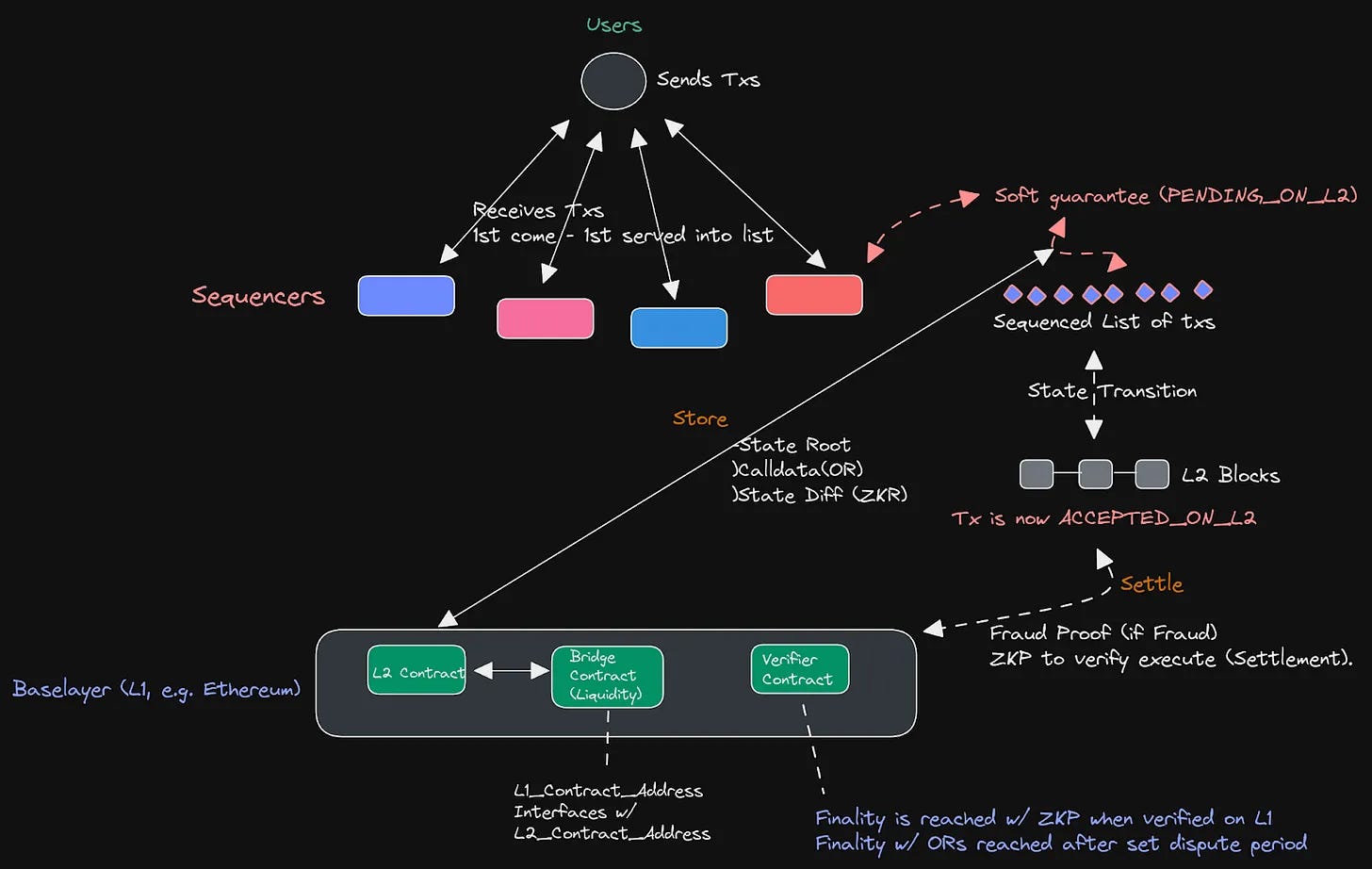
4. Monitor MEV flows: Track Maximal Extractable Value opportunities to optimize sequencing and protect against censorship risks.
-
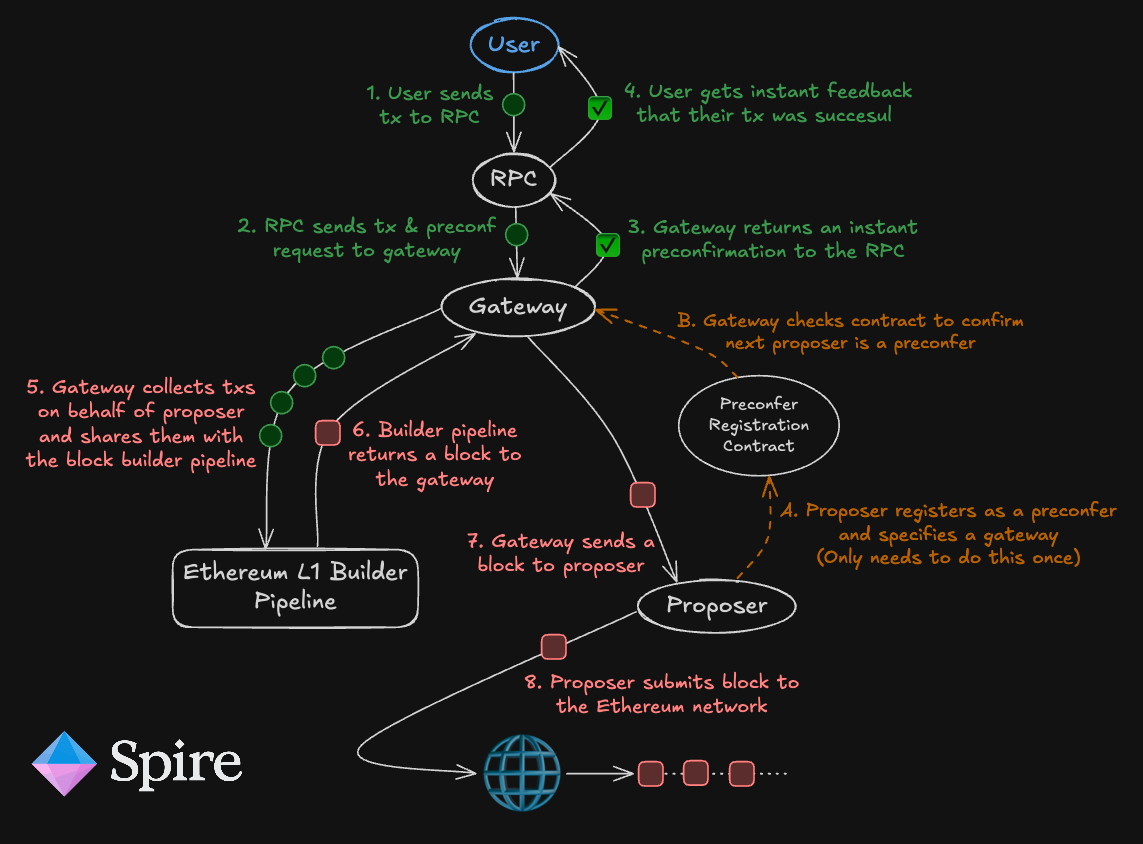
5. Integrate preconfirmations: Implement preconfirmation mechanisms to improve user experience with faster transaction finality.
Top shared-sequencer models – from committees to restaked sets – offer tailored entry points. Ad-hoc sequencing via Espresso suits bespoke rollups, while Astria’s network excels in interoperability. Operators blending these secure diversified revenue, insulated from single-chain volatility.
Auction proceeds, often pocketed by sequencers as in Arbitrum’s TimeBoost, incentivize participation. This market discipline weeds out underperformers, fostering a meritocracy that bolsters Ethereum L2’s macro stability. As ETH holds $2,255.29, with 24-hour lows at $2,115.33, such infra upgrades underpin confidence amid corrections.
Looking ahead, shared infra auctions nodes will define L2 competitiveness. L1 operators extending to L2 workloads, per Aztec RFPs, amplify Ethereum’s security budget. Decentralized sequencer sets, comprising ordering, attestation, and proof layers, streamline this synergy. Operators embracing auctions today position for tomorrow’s multi-chain equilibrium, where sequencer reliability trumps speculative yields.
The ecosystem’s pivot reflects prudent evolution: decentralization without performance concessions. With Ethereum at $2,255.29, node operators investing in these models hedge against centralization regressions, securing enduring roles in scaling’s next phase.
About the Author